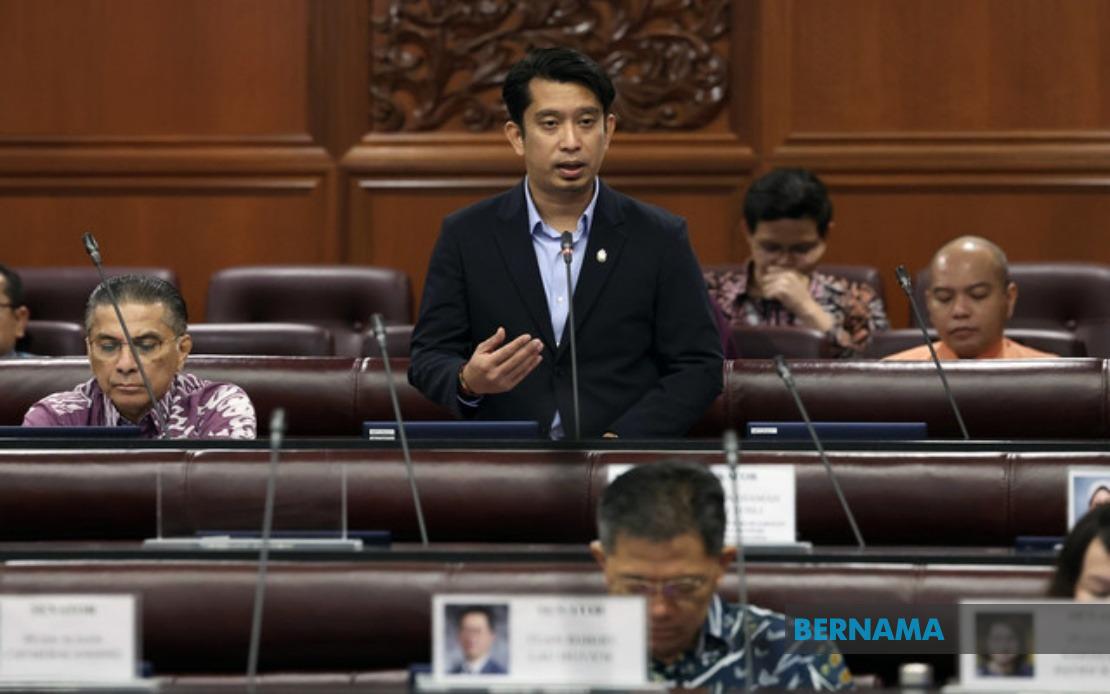
Higher learning institutions across Malaysia possess the power to withdraw student internship placements and recall trainees from work sites should safety hazards emerge during their industrial training periods, Deputy Higher Education Minister Adam Adli Abd Halim stated during parliamentary proceedings in Kuala Lumpur on August 4. The authority to take such protective measures rests with universities themselves, triggered either by their own safety assessments or formal reports submitted by students indicating urgent intervention is warranted. This clarification comes as the ministry grapples with heightened scrutiny over workplace protections for student trainees, particularly following tragic incidents that have claimed young lives.
The deputy minister's statement addresses a critical vulnerability in Malaysia's internship ecosystem—the question of who bears responsibility for removing students from dangerous situations before disaster strikes. Universities can initiate withdrawal procedures based on internally conducted risk evaluations or upon receiving information from students themselves that signals imminent danger. The government has expressed regret over industrial training accidents involving students and has committed to strengthening the monitoring infrastructure that oversees these programmes nationwide. This pledge reflects growing recognition that existing safeguards may not adequately shield vulnerable young workers from occupational hazards.
The announcement was delivered while addressing a supplementary parliamentary question raised by Senator Che Alias Hamid concerning oversight mechanisms designed to hold companies and contractors to safety standards. The query emerged directly from a tragedy that claimed the life of a Universiti Putra Malaysia student engaged in industrial training at Saujana 1 water tower in Kuala Selangor on June 16. The student was performing maintenance work when the fatal incident occurred, prompting renewed examination of how universities vet potential placement partners and what protocols exist to protect trainees. The case exemplifies the risks inherent in industrial settings where students—often lacking extensive workplace experience—operate alongside hazardous equipment and environments.
To prevent future tragedies, Adam Adli outlined enhanced vetting procedures that universities should implement before approving any internship placement. Educational institutions must conduct substantially more rigorous evaluations of an organisation's safety track record, including examination of previous safety reports and the company's broader reputation within its industry sector. This deeper due diligence represents a departure from potentially more cursory approval processes that may have operated previously. For placements within sectors classified as high-risk—such as construction, manufacturing, water management, or chemical processing—universities should only partner with organisations demonstrating full compliance with established safety requirements and possessing documented, functional safety management systems.
The ministry further specified that students assigned to high-risk work environments must complete mandatory safety training and obtain relevant certifications prior to beginning their placements. This prerequisite qualification ensures trainees possess foundational knowledge about hazards they may encounter and understand proper procedures for protecting themselves. Beyond these advance preparations, students entering internship programmes receive comprehensive briefing sessions addressing multiple dimensions of workplace safety. These induction activities cover workplace health and safety protocols, risk identification and management principles, proper use and selection of personal protective equipment, emergency response procedures, and the proper channels through which students should report incidents or near-misses to supervisors.
During the active internship period, universities maintain oversight through a dual supervision model involving both academic supervisors from the educational institution and industry supervisors employed by the host organisation. These supervisors conduct monitoring activities via physical site visits, virtual check-ins where appropriate, regular reviews of student progress reports, and sustained communication with the trainee. This multi-layered approach aims to catch problems early before they escalate into serious incidents. The frequency and intensity of supervision should logically correlate with the risk level of the placement, with high-risk sectors requiring more intensive monitoring and more frequent direct contact with students.
Compensation and insurance protection form another critical pillar of the safety framework. All industrial training students in Malaysia are enrolled in the University Group Insurance Scheme, which provides financial coverage should trainees suffer accidents or experience other untoward incidents during their internship assignments. This insurance arrangement represents an important safeguard for students and their families, ensuring that if preventive measures fail and injury occurs, families will not face catastrophic financial hardship from medical expenses or lost income. However, insurance functions as a secondary protection mechanism rather than a substitute for preventing accidents in the first place.
The policy framework announced by the deputy minister reflects evolving understanding within Malaysian higher education about institutional accountability for student welfare. Previously, some universities may have adopted a more passive stance regarding internship placements, viewing the arrangement primarily as a curriculum component rather than a situation requiring active safety management. The emphasis now placed on pre-placement vetting, mandatory training, ongoing supervision, and the explicit right to withdraw students signals a philosophical shift toward treating internship safety as a shared responsibility requiring constant vigilance. Universities can no longer credibly claim they are merely facilitating connections between students and employers; they bear genuine accountability for due diligence and ongoing monitoring.
For Malaysian students and their families, these clarifications carry important implications. Young people considering internship placements should inquire whether their university has thoroughly evaluated their intended employer's safety record and whether the placement site qualifies as high-risk. Students should confirm they will receive comprehensive safety training before commencing work and should understand the mechanism for reporting safety concerns—whether to academic supervisors, industry supervisors, or university authorities. Parents should feel empowered to encourage their children to voice safety concerns without fear that raising alarms might jeopardise academic standing or grades. The insurance coverage confirmation provides some peace of mind, though prevention remains infinitely preferable to compensation for tragedy.
The broader Southeast Asian context makes these developments particularly significant. Across the region, internship and apprenticeship programmes often operate with minimal oversight, and students—particularly from lower-income backgrounds who cannot afford unpaid internships in prestigious sectors—sometimes accept dangerous conditions out of economic necessity. Malaysia's articulation of these safety standards may influence practices in neighbouring countries and could position the nation as a model for responsible internship governance. Regional universities increasingly recognise that reputation for student safety represents a competitive advantage in recruiting both domestic and international trainees.
Implementing these enhanced standards will require resources, including investment in better safety assessment protocols, more frequent supervisory visits, and administrative systems to track and manage safety compliance. Some companies offering internships may resist heightened scrutiny or complain about new requirements, but public opinion strongly supports prioritising student safety over commercial convenience. University leaders must resist pressure to approve questionable placements simply to maintain employer relationships or to reduce administrative burdens. The tragic death at Saujana 1 water tower served as a sobering reminder that cost-cutting measures or bureaucratic shortcuts can exact an incalculable human price.
Moving forward, the effectiveness of these safety measures depends on rigorous implementation by universities, transparent communication with students about their rights, and willingness by authorities to investigate incidents and hold accountable both educational institutions and employers who fail to meet standards. The government should consider publishing periodic reports on internship safety outcomes, including statistics on placement withdrawals, reported hazards, and incident frequencies. Such transparency would enable continuous improvement and would demonstrate to the public that heightened concerns translate into concrete protective actions. Malaysia's students deserve to know that their education and career preparation will not require accepting preventable workplace dangers as the cost of professional development.

