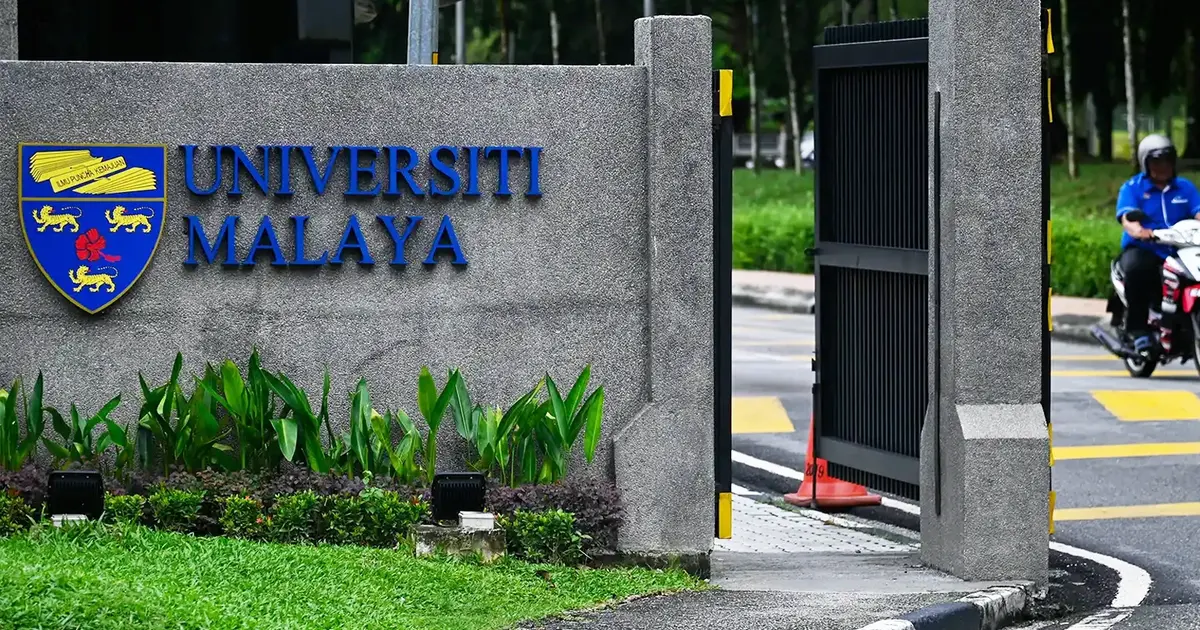
The student advocacy collective NewGen UM has escalated calls for accountability at Malaysia's oldest and most prestigious public university, demanding that authorities deliver promised updates on an ongoing investigation into allegations of sexual harassment involving a faculty member. The delay in announcing results has prompted fresh scrutiny of institutional transparency and the handling of misconduct cases within higher education institutions, areas where Malaysia has faced increasing public criticism in recent years.
According to NewGen UM's statement, the University of Malaya indicated during September of last year that the investigative process had reached an advanced stage and was approaching conclusion. However, multiple months have now elapsed without any formal announcement of the investigation's findings or disciplinary action, leaving unresolved questions about both the nature of the allegations and institutional response. This gap between official timelines and actual outcomes reflects a broader pattern in Malaysian universities where sexual harassment complaints and investigations often operate without public disclosure or clear communication regarding resolution.
The lack of transparency surrounding such investigations extends beyond mere administrative inconvenience. When universities fail to communicate outcomes of misconduct inquiries, it creates an atmosphere of uncertainty that can affect multiple stakeholders—alleged victims may feel their concerns have been sidelined, other students may question whether their institution prioritizes safety, and faculty members awaiting clearance face indefinite professional limbo. For Malaysian universities attempting to position themselves as world-class institutions, such delays undermine confidence in institutional governance and raise uncomfortable questions about whether investigations are being handled seriously or shelved quietly.
Higher education institutions across Southeast Asia have increasingly faced pressure from student movements demanding greater accountability in handling sexual harassment and misconduct cases. Universities in neighbouring countries have implemented clearer investigation protocols, published annual reports on misconduct cases, and established independent oversight mechanisms. Malaysia's public universities have generally lagged behind these developments, operating investigations and disciplinary processes that remain largely opaque to external scrutiny. This opacity often reflects a culture of institutional protection rather than institutional accountability.
NewGen UM's intervention reflects a significant generational shift in how Malaysian students approach governance and institutional responsibility. Rather than accepting administrative delays passively, student activists are now publicly demanding timelines and outcomes, using social media and media engagement to amplify their concerns. This pressure from below represents one of the few mechanisms through which Malaysian universities face genuine external accountability, since formal oversight structures often prove insufficient or insufficiently transparent.
The University of Malaya, as the nation's flagship public university and a frequent participant in global university rankings, carries particular responsibility to demonstrate that it takes sexual harassment allegations seriously and processes them through fair, timely mechanisms. Institutional reputation increasingly depends not on academic rankings alone but on demonstrated commitment to campus safety and equitable treatment. When investigations stall without explanation, the university risks being perceived as prioritizing institutional reputation protection over victim support and workplace safety.
Sexual harassment in Malaysian universities remains significantly underreported, with many students reluctant to file formal complaints due to concerns about confidentiality, potential retaliation, and doubt about whether institutions will act meaningfully. Studies in comparable contexts suggest that perceived sluggishness in investigating and resolving complaints further discourages reporting, creating a cycle where misconduct goes unchecked and victims lose faith in institutional remedies. The UM investigation delay thus carries implications extending beyond the specific case to university culture more broadly.
NewGen UM's demand for updates also carries implications for other Malaysian universities and government oversight bodies. If the University of Malaya cannot meet its own investigation timelines without public explanation, what precedent does this set? The Ministry of Education and quality assurance bodies have largely remained quiet on sexual harassment investigation protocols and timelines, allowing universities considerable discretion in how they handle such matters. This lack of system-wide standards and accountability mechanisms creates an environment where delays can persist without ministerial intervention or public consequences.
The student group's continued pressure suggests that NewGen UM intends to maintain public focus on this matter rather than allow it to fade from view. This represents an important counterbalance to institutional inertia, though students should not bear sole responsibility for ensuring institutional accountability. Formal mechanisms—clear investigation timelines, regular public reporting, and independent oversight—would be far more effective than relying on student activism to drive transparency. Until Malaysian universities and education authorities establish such mechanisms, cases like the UM investigation will likely continue to demonstrate the gap between institutional promises and institutional delivery.
For Malaysian readers and university stakeholders, the UM situation underscores the need for broader systemic reform in how universities handle misconduct allegations. This extends beyond individual cases to structural questions about investigation protocols, appeal mechanisms, and transparency standards. Whether the University of Malaya ultimately releases findings on this specific investigation remains to be seen, but the pressure from NewGen UM demonstrates that Malaysian students are increasingly unwilling to accept institutional silence on matters of campus safety and accountability.