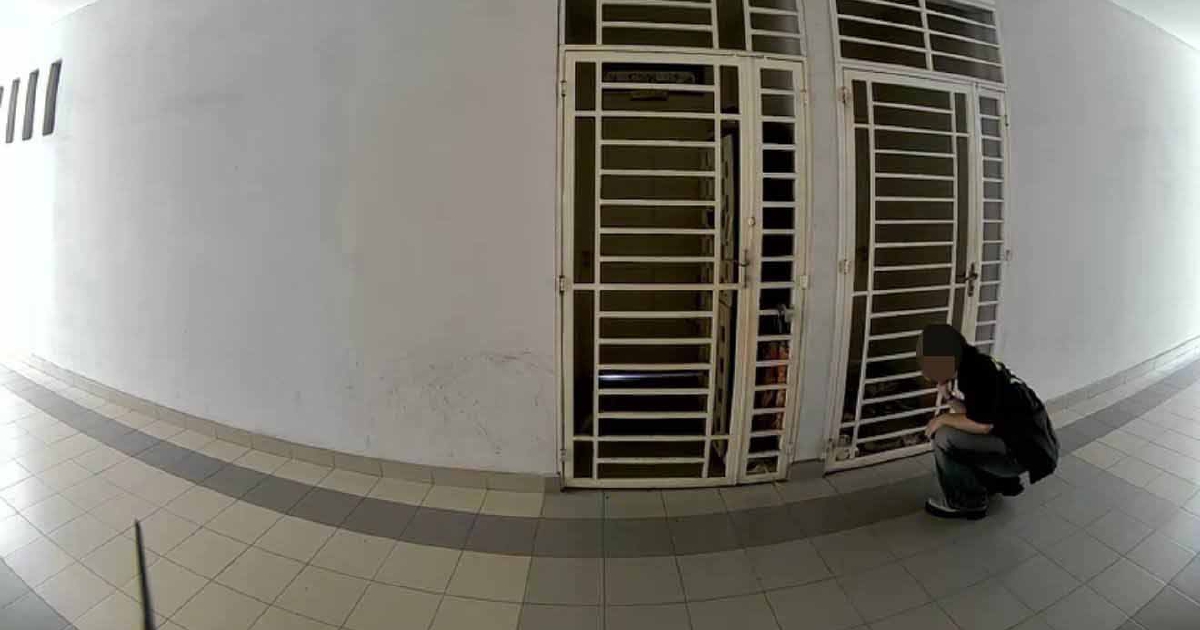
Police in Shah Alam have apprehended a public university student in connection with allegations of sustained harassment and stalking directed at a female fellow student. The suspect stands accused of pursuing unwanted contact with his peer continuously since April, prompting authorities to intervene following formal complaints lodged by the victim. The arrest underscores mounting concerns about personal safety within Malaysia's tertiary institutions and the challenges students face when confronted with persistent unwanted attention from peers.
The detained student's actions allegedly constitute a pattern of behavior rather than isolated incidents, with the victim reporting a months-long campaign of harassment. Such prolonged conduct typically involves repeated attempts at contact despite explicit rejection, surveillance or monitoring of the target's movements and activities, and communications designed to intimidate or control. The April start date suggests the victim tolerated the situation for several months before approaching authorities, a pattern commonly observed when individuals fear escalation or doubt whether police will take action.
University campuses occupy a unique space in the Malaysian social landscape where large populations of young adults interact daily in close quarters across dormitories, lecture halls, libraries, and recreational facilities. This environment can inadvertently shield problematic behavior, as perpetrators exploit the routine overlap of accused and victim in shared spaces. The ease of communication through social media and instant messaging platforms has further complicated matters, enabling harassers to maintain contact through multiple channels and making it harder for victims to establish clear boundaries.
The ramifications of this case extend beyond the immediate parties involved. Female students, who comprise a substantial portion of Malaysia's university population, often navigate heightened safety concerns that male peers do not routinely face. Harassment campaigns create psychological strain that affects academic performance, mental health, and campus engagement. When incidents escalate unaddressed, victims may withdraw from social activities, skip classes to avoid the perpetrator, or transfer institutions entirely, representing a genuine loss to their educational prospects.
Malaysian universities have increasingly implemented reporting mechanisms and support structures to address student safety concerns, yet gaps remain in execution and awareness. Many institutions maintain dedicated complaint channels, counseling services, and disciplinary procedures, but effectiveness depends on victims' willingness to report and institutional responsiveness. The police response in this case suggests growing recognition that harassment constitutes a criminal matter rather than a disciplinary one, particularly when behavior meets thresholds established under the Penal Code or the Communications and Multimedia Act regarding threatening communications.
The broader Southeast Asian context reveals similar challenges across the region's university systems. Students in Thailand, Indonesia, and the Philippines have reported comparable difficulties securing institutional and legal recourse against persistent peers. However, Malaysia's relatively robust higher education infrastructure and police apparatus theoretically positions the country to address such matters, provided awareness and training enable effective intervention. This arrest may catalyze overdue conversations about consent, boundaries, and respect within Malaysian campuses.
Institutional culture plays a critical role in either enabling or preventing harassment. Environments where such behavior is normalized, excused as youthful exuberance, or treated as a personal matter between students create space for escalation. Conversely, campuses that explicitly address consent and respect in orientation programs, that take complaints seriously and investigate thoroughly, and that impose meaningful consequences for transgressors establish deterrent effects. Many Malaysian institutions have strengthened these components in recent years, yet consistency and rigor remain uneven across the system.
The investigation into this case will likely examine communications between the parties, witness accounts from fellow students or dormitory residents, and documentation of the victim's attempts to cease contact. Digital records of messages, calls, and social media interactions typically provide critical evidence. The duration of alleged harassment—spanning approximately four months—suggests substantial documentation exists, potentially strengthening authorities' prosecution case. However, the quality of investigation depends on police familiarity with cyberstalking and harassment cases, areas where specialist training remains inconsistent across Malaysian law enforcement divisions.
For the victim, the arrest represents validation that her concerns merited official recognition and action, yet she faces the difficult aftermath period. Legal proceedings involving harassment cases typically extend across months, during which the accused may remain in her campus environment pending trial. Universities must balance the rights of accused students to continue their education with the victim's equally legitimate right to feel safe. Some institutions have implemented temporary restrictions preventing accused individuals from entering certain areas or attending classes when the victim is present, though such measures remain discretionary rather than mandated.
The case also highlights the importance of peer intervention and bystander awareness. Fellow students who witness harassment—through overhearing conversations, observing unwanted persistence, or hearing secondhand accounts—possess the capacity to discourage perpetrators through social sanction and to support victims by offering companionship and testimony. Campus cultures that normalize reporting concerning behavior and supporting affected peers create stronger protective environments than those that maintain silence or dismiss such matters as trivial interpersonal conflicts.
Moving forward, this incident should prompt Malaysian universities to conduct audits of their current policies on harassment and stalking, ensuring clarity about reporting procedures and consequences. Training for student affairs staff, resident advisors, and security personnel should emphasize recognition of harassment patterns rather than focusing solely on dramatic incidents. Public awareness campaigns targeting students, particularly during orientation, should establish cultural norms rejecting persistent unwanted attention and clarifying consent and respect. The detention in Shah Alam represents one institution's accountability moment; the broader challenge lies in transforming that accountability into systemic change across Malaysia's university system.

