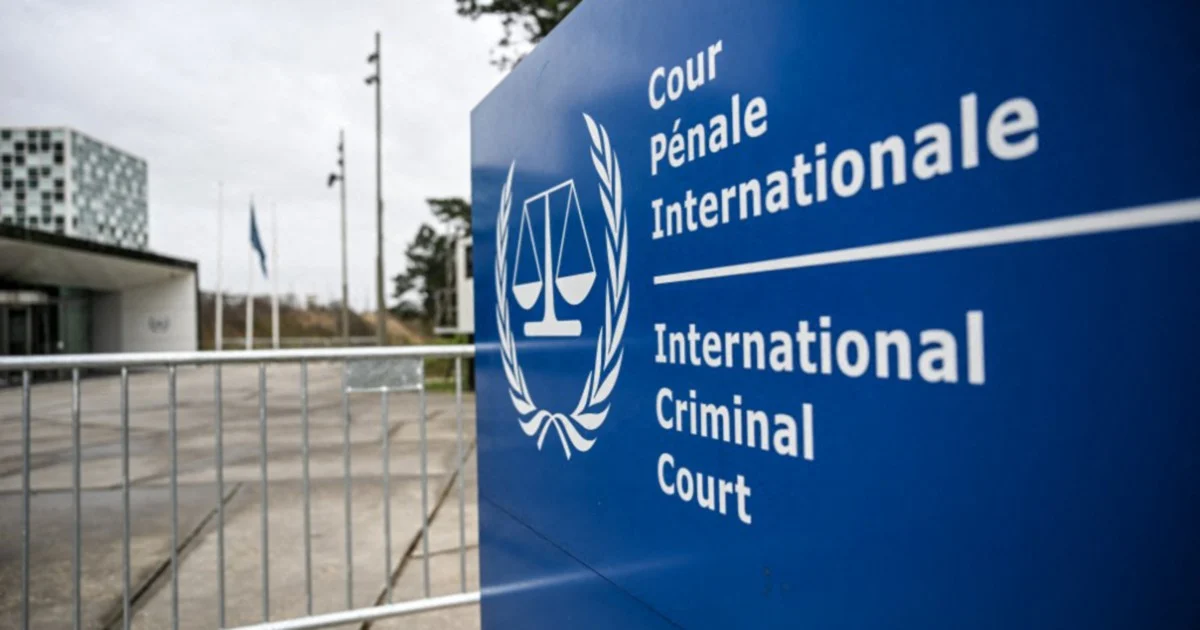
Two United States-based civil rights organisations initiated legal action against the Trump administration this week, contending that punitive measures directed at the International Criminal Court breach core constitutional safeguards for freedom of speech. The lawsuit represents an escalating confrontation between advocacy groups and the administration over its increasingly hostile stance towards the multilateral judicial institution, which has drawn particular ire from Washington over potential prosecutions involving American personnel.
The timing of the legal challenge coincides with a broader diplomatic offensive launched by Trump administration officials to undermine and potentially dismantle the ICC's operations and legitimacy. This coordinated campaign, which gathered momentum this week, reflects longstanding American scepticism towards the court's independence and jurisdiction, particularly concerning matters that could implicate American citizens or interests.
Civil liberties advocates argue that the sanctions mechanism employed by the administration operates to suppress legitimate speech and advocacy activities protected under the First Amendment. By targeting organisations and individuals who support or engage with the ICC, the government effectively chills the ability of American citizens to freely debate international justice mechanisms and participate in advocacy concerning the court's role in prosecuting alleged human rights violations globally.
The constitutional dimension of this dispute hinges on a fundamental tension between executive authority to conduct foreign policy and the constitutional right of Americans to advocate for particular positions on international matters. The advocacy groups maintain that economic and diplomatic penalties cannot lawfully serve as tools to suppress political speech, even when that speech relates to foreign policy positions the administration opposes.
International criminal justice remains a deeply contested issue within American political circles. The Trump administration has historically viewed the ICC with profound suspicion, particularly since the court has investigated or prosecuted individuals and actions that could implicate American military personnel or contractors. Previous administrations have similarly maintained a wary distance from the institution, though this administration's approach represents an unusually confrontational escalation.
The ICC itself operates as an independent international institution established through the Rome Statute, a treaty that the United States has not ratified. This jurisdictional distance has not prevented the court from investigating situations in member states where Americans may have been involved, creating diplomatic friction with successive US administrations concerned about protecting American citizens from prosecution.
For Malaysian readers and Southeast Asian observers, this legal battle carries particular significance given the region's complex relationship with international justice mechanisms. Several Southeast Asian nations maintain varying degrees of engagement with the ICC, and questions about how powerful states influence international judicial bodies resonate across the region. The lawsuit underscores broader debates about whether wealthy nations can legitimately employ sanctions and diplomatic pressure to shape international institutions according to their preferences.
The advocacy groups bringing the challenge represent diverse constituencies invested in international human rights accountability and protection of speech rights. Their assertion that sanctions function as a form of speech suppression reflects growing legal arguments that economic measures can constitute unconstitutional restrictions on expression when applied specifically to silence political advocacy.
The lawsuit's success would likely depend on how courts interpret the relationship between foreign policy powers and constitutional limitations on speech restriction. The administration's defense would presumably emphasise broad executive authority over international affairs and sanctions policy, arguing these measures serve legitimate national security interests rather than suppressing speech per se.
This legal intervention also highlights tensions within the American foreign policy establishment regarding international justice. While some officials and observers support strengthening accountability mechanisms through institutions like the ICC, others view the court as a potential constraint on American freedom of action in international affairs. The advocacy challenge positions free speech concerns alongside these geopolitical calculations.
The broader implications extend beyond immediate questions about ICC sanctions. The case touches on fundamental issues about how democracies balance executive foreign policy discretion against constitutional protections for civil liberties and political expression. As international institutions face increasing pressure from powerful member and non-member states, questions about which nations can shape these bodies through coercive means become increasingly urgent.
The outcome of this legal proceeding will likely influence how subsequent administrations calibrate international engagement, particularly regarding mechanisms that could potentially investigate American actions. For Southeast Asian nations considering deeper participation in international justice systems, the American legal challenge provides a cautionary example of how powerful states can mobilise various tools to resist institutional accountability structures they find threatening.

