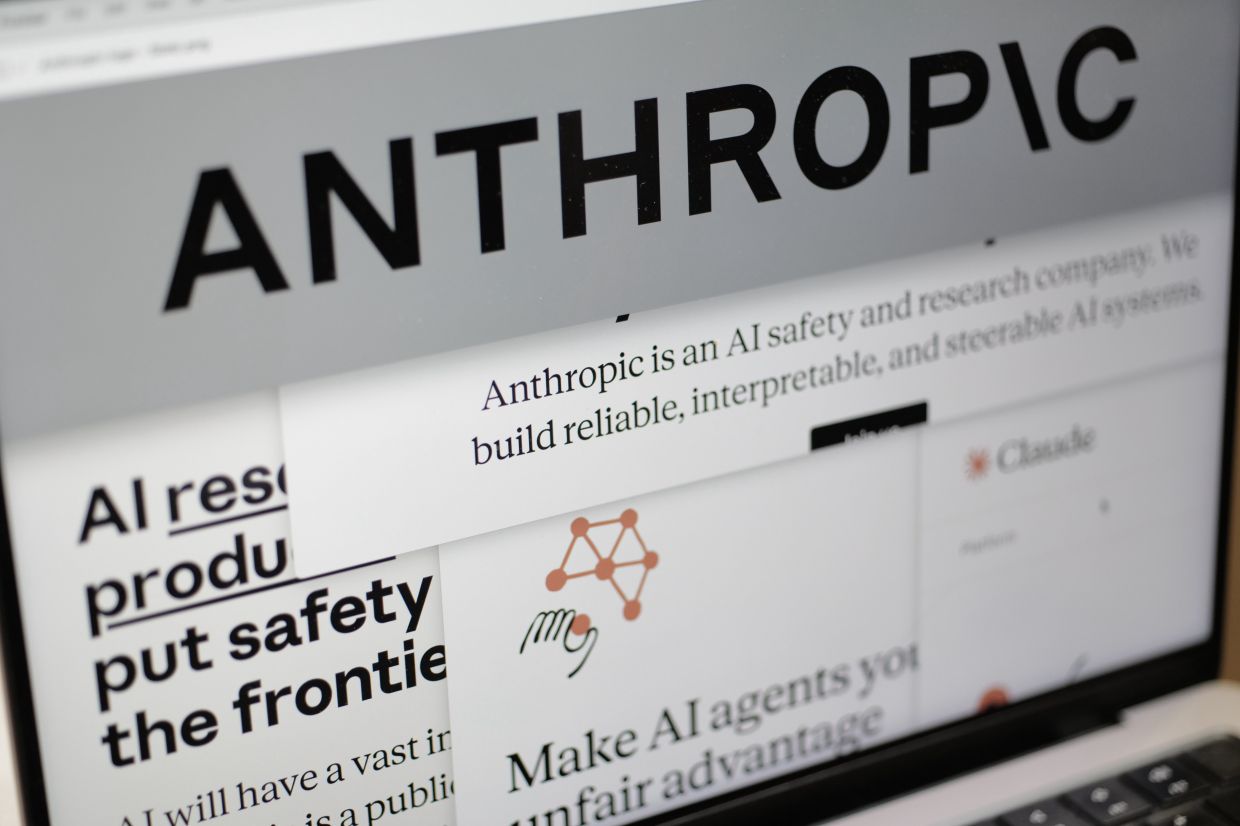
A litigation-technology startup has taken the Trump administration to federal court, challenging export restrictions that forced Anthropic to revoke access to its most sophisticated artificial intelligence models. Legion, which develops software tools for legal professionals, filed suit in Washington on June 23, just days after Anthropic disabled the Fable 5 and Mythos 5 models in response to government directives aimed at preventing advanced American AI technology from reaching foreign nationals.
The underlying dispute centres on a fundamental tension in the rapidly evolving AI sector: balancing national security interests against the practical business needs of companies operating in an interconnected, globally distributed tech ecosystem. Commerce Secretary Howard Lutnick had warned Anthropic Chief Executive Officer Dario Amodei that the company would need explicit government permission before making its most capable models available to users outside the United States or to non-citizens working anywhere, including within American borders. For Legion, which employs Canadian nationals working remotely from Canada, compliance meant immediate and complete severance from tools essential to its competitive position.
Legion's core complaint cuts to the heart of how modern software development actually functions. The company describes losing access to Fable 5 as an "instantaneous" catastrophe, depriving it of what it characterises as the foundational technology around which its product roadmap and engineering operations are built. Rather than a temporary inconvenience, Legion argues the loss constitutes irreparable and existential harm—a telling phrase that underscores how deeply dependent contemporary AI-driven startups have become on continuous access to cutting-edge models. The litigation firm's position reflects a broader anxiety within the technology sector that sudden, retroactive restrictions could destabilise entire businesses built on the assumption of reliable access to critical infrastructure.
The speed and intensity of artificial intelligence development adds urgency to Legion's claims. Unlike traditional software sectors where companies might recover lost development time over quarters or years, the AI landscape operates on a compressed timeline where weeks of disconnection from the latest models can result in permanent competitive disadvantage. When Anthropic's most advanced models become unavailable, competitors using unrestricted alternatives gain an insurmountable edge. Legion contends that the competitive ground surrendered during unavailability cannot be recaptured once restrictions lift, as other firms will have leapfrogged ahead during the intervention period. This argument reflects genuine industry dynamics: AI capabilities advance so rapidly that any pause in access translates directly into market position losses.
Anthropically's response reveals the delicate position occupied by leading AI developers facing government scrutiny. Rather than joining Legion's legal challenge, the company issued a statement thanking the administration for working "as fast as possible" to resolve the situation. This carefully calibrated response prioritises maintaining government relationships over backing its paying customers, signalling that Anthropic views compliance with export controls as non-negotiable despite the business impact on downstream users. The company emphasised its commitment to working with authorities on shared objectives around protecting critical infrastructure and ensuring American leadership in artificial intelligence development. This framing attempts to position export restrictions as aligned with rather than contrary to industry interests—though customer litigation suggests many firms see the matter differently.
The suit names Commerce Secretary Lutnick as the primary defendant, treating the export restrictions as an administrative action subject to legal challenge. Legion's filing argues that each day the restrictions remain active disrupts its product development, sidles its engineers, and erodes its capacity to compete in a field defined by the constant availability of increasingly capable AI systems. The lawsuit essentially asks federal courts to determine whether the government's national security interests in controlling advanced AI exports outweigh the commercial interests of American companies employing foreign nationals, or whether some accommodation is legally required.
For Malaysian and Southeast Asian readers, this legal conflict carries significant implications. The export controls that prompted Legion's suit reflect broader American efforts to maintain technological dominance and prevent strategic rivals from accessing frontier AI capabilities. As these restrictions take effect, companies across the region that depend on American AI models or employ American tech talent face similar complications. The precedent established by American courts in this case could influence how regional governments calibrate their own AI governance strategies—whether to follow a security-first approach or prioritise economic openness and innovation.
The clash also highlights the precarious position of developers and companies caught between national security regimes and the borderless nature of modern software development. Many established and emerging tech companies across Southeast Asia employ talent from multiple countries and rely on global supply chains of AI models and capabilities. Fragmentation of AI access along national lines could fragment entire development ecosystems, forcing companies to choose between retaining international talent and maintaining cutting-edge tool access. This represents a structural challenge to the globalised model that has driven technology innovation for decades.
Anthropmic's diplomatic posture toward regulators, even when customers face disruptive consequences, underscores a critical reality: major AI developers will likely align with government preferences rather than risk losing legitimacy or facing regulatory retaliation. This creates an imbalance where downstream customers bear the costs of compliance but lack leverage to negotiate terms. Legion's lawsuit may represent the first of many legal challenges as smaller companies dependent on advanced AI models contest export restrictions that their primary suppliers have already accepted.
The resolution of this case will help determine whether American courts view national security export controls as essentially unreviewable executive actions or as subject to proportionality scrutiny that balances security interests against commercial harms. If courts ultimately side with Legion or force expedited resolution procedures, the precedent could embolden other affected companies to challenge restrictions. Conversely, if the government's security arguments prevail, we can expect fragmented AI access to become a persistent feature of the technology landscape, with significant consequences for international competitiveness and innovation distributed across sectors and geographies.

