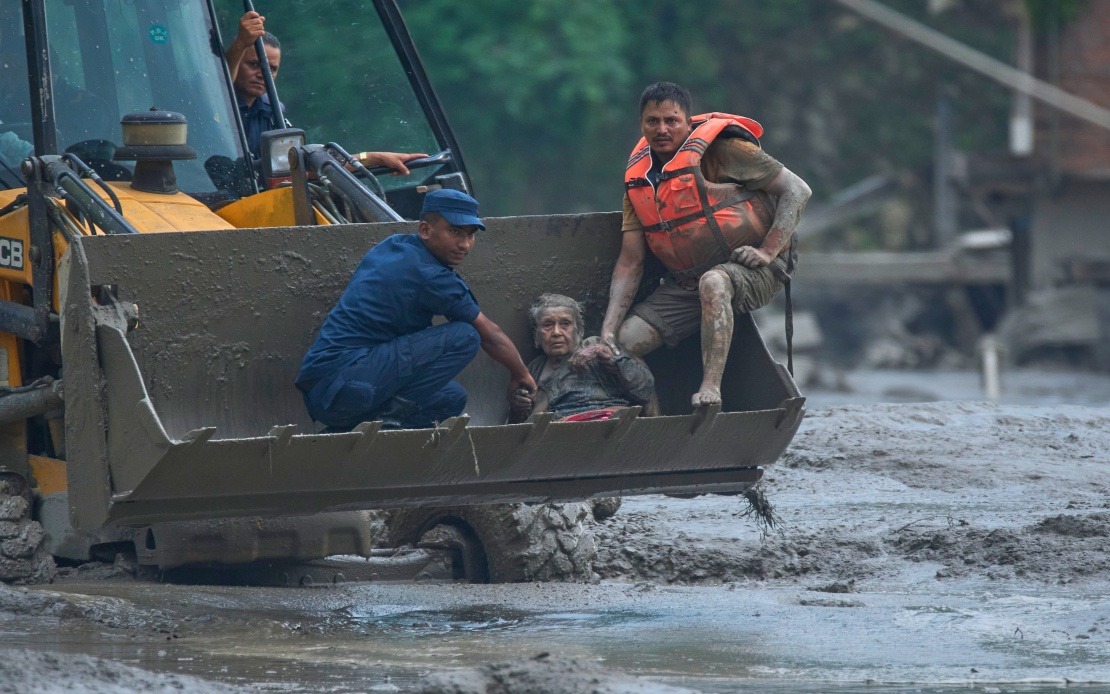
The United States and Canada have stepped forward with offers of emergency humanitarian assistance following catastrophic flash floods and mudslides that have ravaged Nepal's border regions with China. The natural disaster has emerged as one of the most severe weather-related calamities to strike the Himalayan nation in recent years, with both Western nations moving quickly to coordinate relief efforts while accounting for their missing citizens.
US Secretary of State Marco Rubio conveyed Washington's commitment through a statement released on Wednesday, declaring that the American government stands prepared to render essential humanitarian aid to Nepal's administration. Beyond the formal pledge of assistance, Rubio's remarks reflected the broader emotional toll of the catastrophe, expressing that the United States remains "united in prayer" with those affected by the disaster. The diplomatic language underscores the gravity with which the American government views the unfolding humanitarian emergency.
Canadian Prime Minister Mark Carney similarly characterized the situation as "absolutely devastating" in his own statement, emphasizing the personal human dimension of the crisis. He acknowledged the plight of those currently experiencing distress, those grieving lost family members, and families desperately seeking information about their whereabouts. Carney's commitment extended beyond sympathy, with Ottawa formally indicating its readiness to mobilize support mechanisms to assist Nepal during this critical period.
The scale of the disaster remains staggering. Nepalese authorities have reported that the combined toll includes at least 160 confirmed deaths, with more than 680 individuals still unaccounted for. Among those missing are approximately 47 United States citizens and a further 24 Canadian nationals, according to figures released by Nepali officials. However, both Washington and Ottawa have noted they have not yet independently verified these specific numbers, suggesting that final counts may fluctuate as rescue and recovery operations continue.
The physical destruction wrought by the floodwaters and associated mudslides demonstrates the tremendous force unleashed across Nepal's landscape. Government assessments indicate that at least 13 hydropower installations have been severely damaged or destroyed, potentially affecting the nation's already-strained energy supply. The floods swept away approximately 40 kilometres of road infrastructure, disrupting transportation networks across affected regions and complicating relief access. Additionally, roughly 200 trucks and 19 bridges were destroyed by the torrents of water and debris, leaving entire communities isolated from neighbouring areas.
For Malaysian policymakers and humanitarian organizations, this situation carries relevance beyond Nepal's borders. Southeast Asia faces similar geological and meteorological vulnerabilities, with monsoon seasons regularly triggering flash flooding and landslides across the region. The scale and speed of Nepal's disaster underscore the importance of regional disaster preparedness frameworks and cross-border cooperation mechanisms that Malaysia has been developing through ASEAN initiatives. The international response demonstrated here—rapid bilateral mobilization of aid and coordination between friendly nations—offers a model for how regional countries might coordinate responses to catastrophic events.
The timing of the disaster also highlights the environmental challenges facing the Hindu-Kush Himalayan region more broadly. Climate change patterns are intensifying precipitation events across mountainous terrain, where thin soils and steep gradients create conditions particularly susceptible to catastrophic flooding and landslides. This reality has implications for downstream nations like Bangladesh and potentially for monsoon patterns affecting Southeast Asia, making Nepal's vulnerability part of a larger regional environmental story.
The hydropower infrastructure damage carries particular significance for Nepal's development trajectory. The country has invested substantially in hydroelectric projects to meet growing energy demands and generate export revenue. The destruction of 13 such facilities represents not only immediate economic loss but also disruption to Nepal's medium-term energy security and its regional energy trade relationships, particularly with India.
The international humanitarian response taking shape demonstrates how the mechanism of foreign aid operates during natural disasters. Beyond rhetorical support, both the US and Canada face the practical challenge of locating and assisting their missing nationals while simultaneously providing broader support to Nepal's overwhelmed emergency services. This dual responsibility—caring for citizens while contributing to general relief efforts—shapes how wealthy nations calibrate their disaster responses.
For regional observers, the situation underscores why countries like Malaysia maintain robust diplomatic and consular networks capable of rapidly mobilizing resources to assist citizens abroad. The process of identifying nationals, coordinating with local authorities, and organizing evacuation or support represents critical consular functions that become paramount during international disasters. Malaysia's own experience managing citizens affected by regional disasters provides valuable perspective on the coordination challenges Nepal's government and international partners face.

