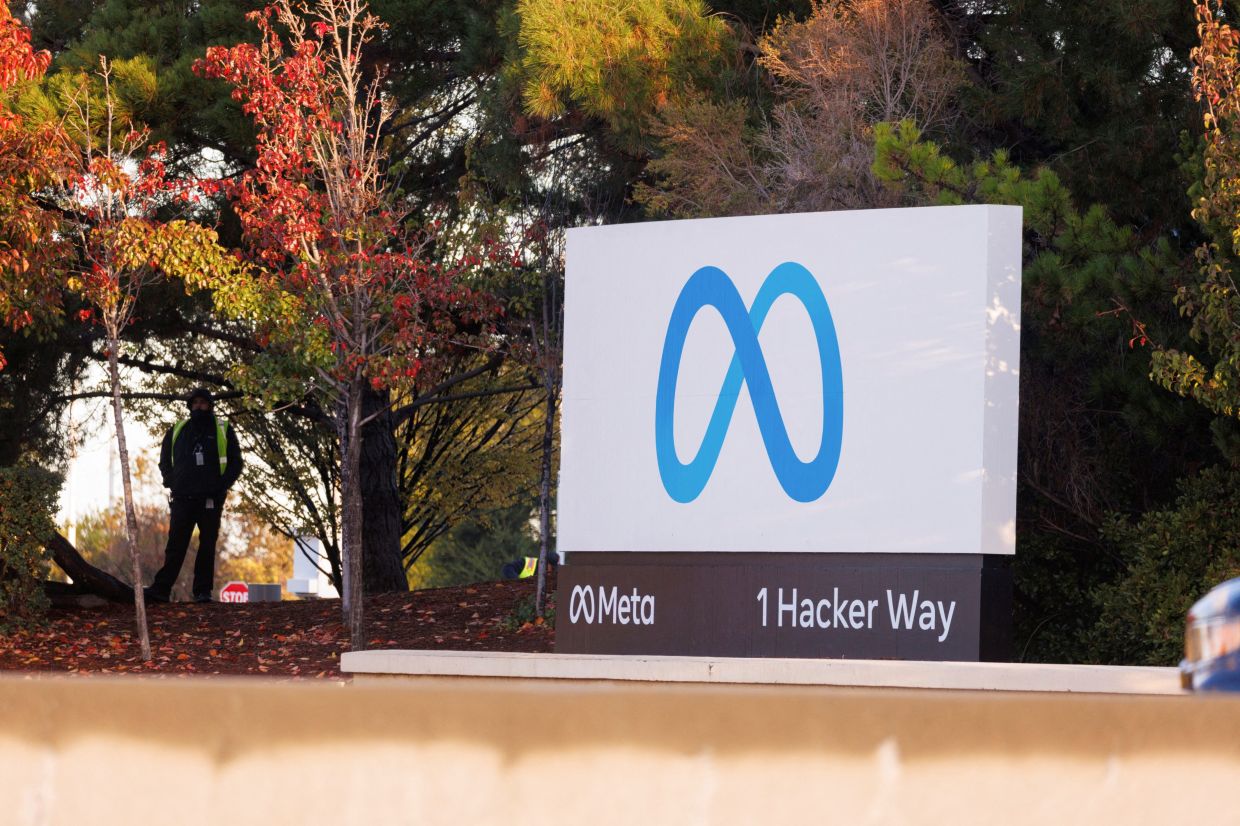
An American federal judge has dealt Meta a significant procedural blow in litigation brought by a prominent Australian mining magnate who claims the technology giant permitted and profited from deceptive advertisements featuring his image to market fraudulent cryptocurrency schemes. The decision, issued by Judge P. Casey Pitts and reviewed by international news agencies, found that Meta deliberately destroyed or permitted the destruction of essential data that could prove central to the plaintiff's case—a finding that could substantially weaken the company's legal position as proceedings advance toward trial.
The Australian entrepreneur's legal team alleges that Meta did far more than passively host third-party content, as the company claims. Instead, they contend that Meta's own artificial intelligence systems actively refined, optimised, and personalised the fraudulent advertisements before distributing them across Facebook's vast user base, thereby converting the platform from a neutral conduit into an active participant in the scheme. This distinction matters enormously because it strikes at the heart of Meta's primary legal defence: Section 230 of the Communications Decency Act, a 1996 American statute that traditionally shields internet platforms from liability for user-generated content posted on their services.
In his written ruling, Judge Pitts expressed profound scepticism toward Meta's explanation for the data loss. The company had argued it required approximately two years to uncover the existence of relevant information within its own systems—a timeline the judge found frankly implausible. Pitts noted pointedly that such a delay contradicts basic operational reality, as Meta would presumably maintain ready access to records concerning its own technological infrastructure and data handling practices. The judge stopped short of finding intentional misconduct, instead characterising Meta's conduct as constituting "gross negligence," a standard that falls between simple carelessness and deliberate wrongdoing.
The destroyed or erased data represents the cornerstone of the plaintiff's legal strategy to circumvent Meta's immunity defence. Records that would demonstrate how the company's proprietary tools reshaped the cryptocurrency advertisements would constitute direct evidence that Meta functioned as something more than a passive platform. If proven, such evidence could establish that Meta bears responsibility for the fraudulent content distributed through its channels, fundamentally undermining the company's Section 230 shield. The legal battle thus hinges on whether Meta can successfully maintain that it merely hosted user content or whether the plaintiff can establish that the company actively engineered and personalised misleading material.
Since 2019, Meta's platforms have hosted thousands of deceptive advertisements trading on the Australian billionaire's reputation and image. These scams have ensnared thousands of victims who believed they were investing through legitimate channels bearing his endorsement. The sheer volume and persistence of these fraudulent schemes across Facebook suggest either systemic platform failures or, as the plaintiff's lawyers argue, active algorithmic curation that made the misleading ads more effective by targeting vulnerable users based on their browsing behaviour and demographic characteristics.
The Massachusetts Supreme Judicial Court has already signalled significant limits to Meta's immunity protections in separate proceedings. The state's highest court determined that Section 230 does not shield Meta from accountability regarding Instagram's deliberately addictive design features targeting children—a ruling that represents a major legal setback for the social media conglomerate. This Massachusetts precedent adds considerable weight to the Australian magnate's arguments in the present case, as it demonstrates American courts increasingly scrutinising whether Meta's specific algorithmic choices and platform design choices qualify for the broad immunity Congress originally intended for passive hosts.
Meta has faced mounting legal jeopardy on multiple fronts throughout 2024. Juries in Los Angeles and Santa Fe, New Mexico, have separately found the company liable for harms inflicted on minors using its platforms, suggesting courts are prepared to hold Meta accountable when evidence demonstrates the company's active role in creating dangerous conditions rather than merely hosting passive content. These verdicts indicate a broader judicial trend toward holding technology companies responsible for foreseeable harms resulting from their algorithmic decisions and platform design choices.
The case remains in preliminary stages, with full discovery and substantive legal arguments yet to unfold. Meta is expected to file a motion seeking dismissal on immunity grounds before the year concludes, and Judge Pitts will preside over that critical hearing. Should Pitts reject Meta's immunity argument, the case could proceed to trial, potentially establishing significant precedent for holding platforms liable when their own systems actively amplify misleading or fraudulent content rather than merely hosting it.
For Southeast Asian audiences and Malaysian readers particularly, this litigation carries broad implications for digital platform accountability across the region. As cryptocurrency scams proliferate throughout Asia and as local regulators increasingly scrutinise technology giants' role in enabling fraud, the American courts' willingness to pierce Meta's immunity shield offers a potential template for regional legal action. The case demonstrates that platforms cannot indefinitely hide behind 1996 legislation written before algorithmic personalisation and artificial intelligence existed, raising questions about how Malaysian and ASEAN regulators might adapt their frameworks to address platform responsibility for algorithmically amplified harm.

