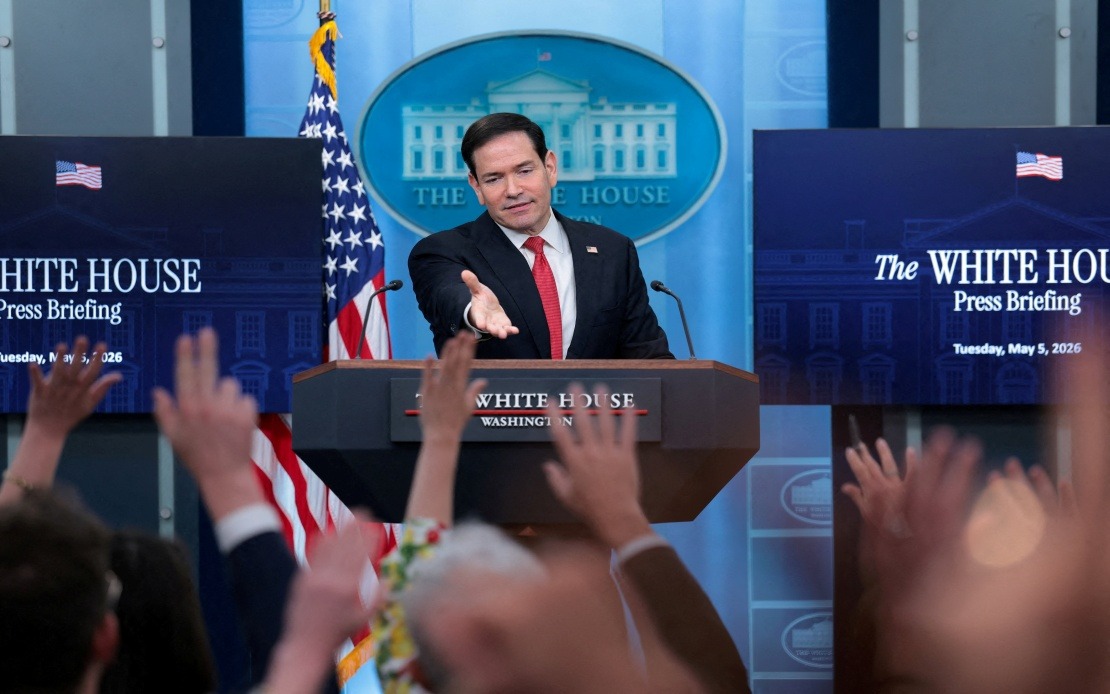
The Trump administration's chief diplomat has signalled continued openness to resolving tensions with Iran through dialogue, even as he stressed that any progress depends on Tehran's willingness to negotiate in good faith. Speaking at an ASEAN ministerial gathering in Manila on Wednesday, US Secretary of State Marco Rubio articulated a position that balances diplomatic outreach with a conditional stance on Iran's approach to discussions.
Rubio emphasised that the United States maintains a principled commitment to diplomatic channels as a mechanism for resolving international disputes. His comments underscore a diplomatic posture that distinguishes between American willingness to talk and skepticism about Iran's current negotiating intentions. The Secretary of State framed Washington's approach as one premised on mutual seriousness—suggesting that if Tehran engages substantively, the US will respond in kind with equivalent commitment.
Communications between Washington and Tehran have reportedly occurred through both direct and indirect channels, according to Rubio's account. This acknowledgement of ongoing contact indicates that despite public tensions, diplomatic back-channels remain functional. The existence of such channels is significant for regional stability, as it preserves pathways for de-escalation even amid deeper strategic disagreements between the two nations.
However, Rubio articulated a critical reservation: Iran has not yet demonstrated the requisite seriousness for productive negotiations. This assessment reflects ongoing American frustration with what US officials perceive as Iranian intransigence or inconsistency in diplomatic engagement. The Secretary made clear that Washington's patience is not unlimited, and that the onus rests squarely on Tehran to demonstrate genuine commitment to resolving differences through negotiation.
The implicit threat underlying Rubio's remarks carries weight. He warned that if Iran fails to engage seriously, the United States will pursue alternative measures to protect its own interests and those of its regional allies. This formulation leaves room for escalatory steps, whether military, economic, or diplomatic in nature, should negotiations fail to materialise. For Southeast Asian observers, this signals that American policy toward Iran remains subject to swift tactical adjustments based on Iranian behaviour.
Rubio's insistence that diplomatic commitments must be honoured represents a clear reference to the Iran nuclear deal dispute. The Trump administration withdrew from the Joint Comprehensive Plan of Action in 2018, arguing that Iran had breached its obligations. This historical context shapes current US scepticism toward Iranian promises, creating a credibility challenge that any future agreement would need to overcome through robust verification mechanisms.
The timing of these remarks at an ASEAN forum carries particular significance for the region. Southeast Asian nations maintain careful diplomatic balance with multiple great powers and have stakes in maintaining regional stability. Rubio's willingness to emphasise American flexibility on Iran suggests the administration recognises the importance of not appearing entirely adversarial toward Tehran in forums where regional consensus matters.
For Malaysia and other ASEAN members, the US position on Iran carries implications for broader regional security architecture. Many ASEAN states maintain economic ties with Iran despite international sanctions, and any escalation of US-Iran tensions could complicate trade relationships and create pressure for regional countries to choose sides. Rubio's emphasis on negotiations thus addresses not only bilateral US-Iran relations but also the international community's interest in preventing further destabilisation of the Middle East.
The Secretary's framing also reflects internal American debate about Iran policy. By emphasising America's openness to diplomacy, Rubio appealed to those concerned about military adventurism while simultaneously satisfying hardliners through his conditional and sceptical tone regarding Iranian intentions. This rhetorical balance has become standard in recent American foreign policy communications on Iran.
Diplomacy with Iran remains extraordinarily complex given the range of actors involved, from nuclear proliferation concerns to regional proxy conflicts and human rights issues. Rubio's comments suggest the US position is neither indefinite hostility nor uncritical engagement, but rather a transactional approach where American flexibility depends entirely on observable Iranian behaviour.
Looking forward, these signals from Washington's top diplomat may be intended to keep diplomatic possibilities alive while avoiding expectations of imminent breakthroughs. For the international community, including ASEAN observers, the message is clear: while negotiation remains theoretically possible, genuine progress requires Iran to take concrete steps demonstrating commitment to resolving outstanding disputes through channels that the United States considers legitimate and verifiable.

