The United States is significantly narrowing the scope of the G20's agenda ahead of this December's summit in Miami, according to delegates engaged in the ongoing negotiations. During talks between top negotiators, known as sherpas, held in Washington this week, American representatives sought to remove language addressing poverty alleviation, the global energy transition, and gender equality from the Joint Declaration that world leaders are expected to endorse at the gathering.
Instead, US negotiators have concentrated efforts on pushing the group to prioritise immigration, transnational crime, counterterrorism, foreign investment flows, and what Washington characterises as fair trade practices. The strategic shift represents a marked departure from the G20's traditional emphasis on inclusive development and environmental sustainability, reshaping the multilateral organisation's priorities to align with the incoming Trump administration's policy focus. Two delegation members, speaking anonymously because of the confidential nature of the negotiations, revealed that this repositioning has been the dominant theme since discussions commenced in December.
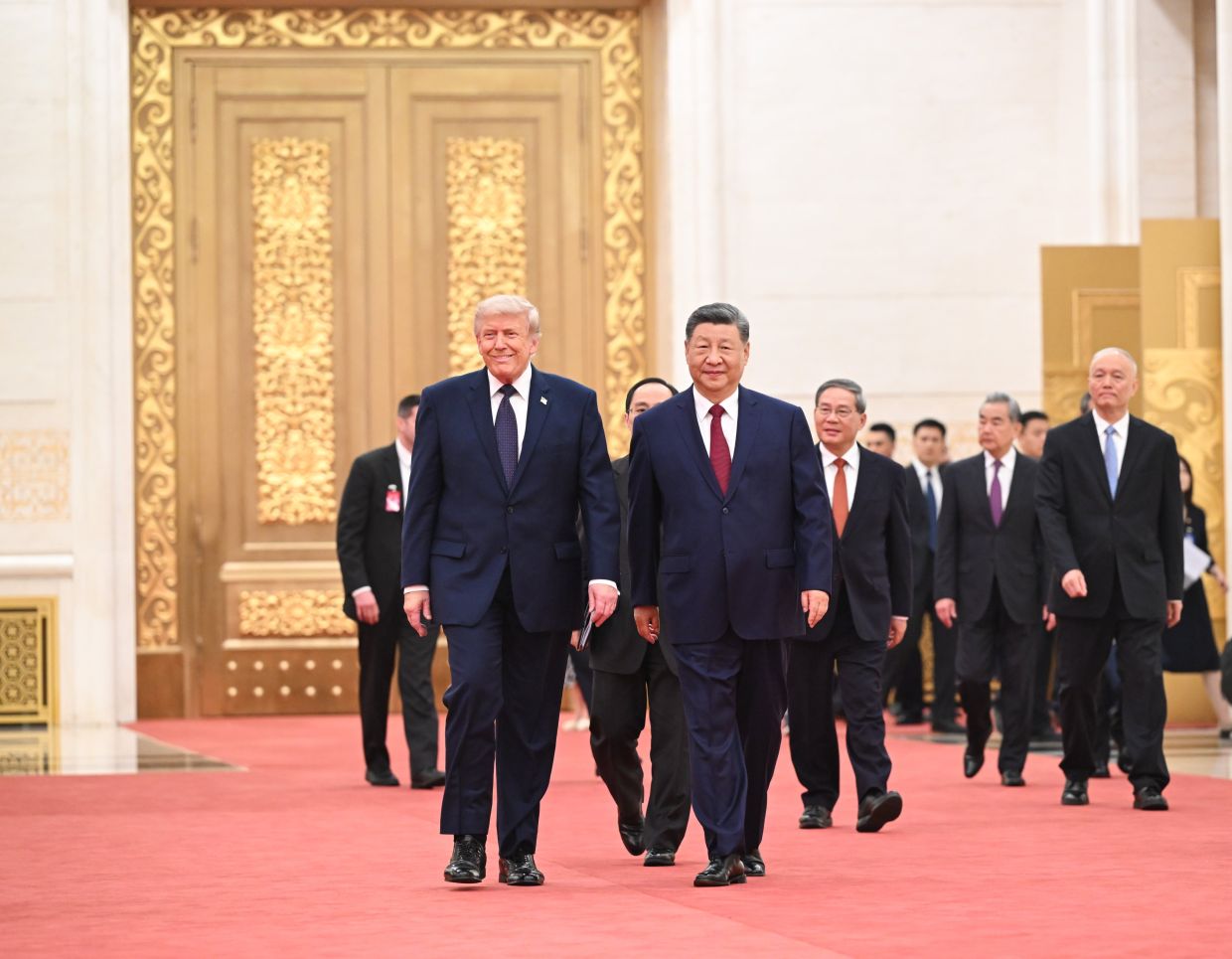
The American approach extends beyond mere agenda reordering. One insider described the strategy as deliberately crafted to favour "its own interests over smaller, developing economies," suggesting that Washington's negotiating position systematically disadvantages nations with fewer resources to advance their priorities in multilateral forums. More pointedly, this same delegate characterised the entire G20 summit as serving primarily as "a pretty backdrop for a photo of Trump and Xi," implying that the bilateral meeting between the American and Chinese leaders has eclipsed the group's collective agenda in importance.
The Miami summit, scheduled for December 14-15 at Trump National Doral—the president's golf resort in the Florida city—is indeed expected to feature prominently a one-on-one meeting between Trump and Chinese President Xi Jinping. This bilateral encounter threatens to overshadow the broader multilateral discussions, reducing the G20's collective work to secondary status. For Southeast Asian nations that depend on G20 forums to amplify their development concerns, this repositioning could limit opportunities to secure international backing for regional priorities.
Russia has publicly articulated similar frustrations about the American approach, with Ambassador-at-Large Marat Berdyev expressing concerns about how the agenda is being narrowed. Despite these reservations, Russian negotiators participated fully in this week's Washington talks, with a delegation headed by Denis Agafonov, who leads the presidential experts' directorate. Berdyev indicated to state news agency Tass that preparations for Miami would encompass trade, energy, and finance tracks, suggesting Russia still hopes to maintain these substantive policy discussions even as the overall declaration becomes more limited in scope.
China's position in these negotiations presents a particularly striking puzzle. Historically, climate action and energy transition represent cornerstone Chinese policy objectives, yet Beijing has remained notably silent as American negotiators systematically removed energy-transition language from the draft declaration. One delegate told observers that the US was "surprised" China had not objected to this deletion, suggesting that Beijing's restraint deviated from expected patterns. When pressed for explanation, the Chinese embassy in Washington declined to clarify its strategic silence, instead offering general statements about China having "the world's most complete policy system on reducing carbon emissions" and "the world's largest renewable energy system."
This apparent contradiction between China's stated environmental commitments and its muted response during G20 negotiations raises questions about whether Beijing is prioritising bilateral engagement with Washington over collective multilateral action. The embassy refused to identify who was representing China in this week's sherpa discussions, claiming lack of awareness of specifics—a response that further obscures Beijing's negotiating strategy. Meanwhile, Executive Vice Foreign Minister Chen Xu was identified by other sources as likely leading China's negotiating team, though the embassy neither confirmed nor denied this.
The broader context of G20 dysfunction adds weight to these tensions. The group already excluded Russia from participation—the first time a full member has been removed from G20 processes—a decision that has provoked objections from several nations including South Africa and China. Earlier this year, the first G20 finance ministers' meeting under US presidency concluded without issuing either a joint statement or the customary concluding press conference, signalling deep divisions on fundamental economic governance questions. These fractures suggest the G20 is struggling to maintain its relevance as a forum for coordinated global action.
For Malaysia and other Southeast Asian economies, the implications are substantial. The region depends on G20 frameworks to advance climate finance, infrastructure investment, and trade rule-setting that affects regional development trajectories. When the group's agenda contracts toward US strategic priorities—immigration control, counterterrorism, investment protection—the collective voice for sustainable development, green energy transitions, and inclusive growth necessarily weakens. Malaysian policymakers engaged with multilateral forums will find fewer allies explicitly advancing climate commitments or development assistance mechanisms through G20 channels.
The Miami summit represents a critical juncture for multilateral cooperation architecture. Rather than leveraging the G20's unique position as a forum encompassing major developed and developing economies, the current approach reduces it to a supporting stage for bilateral great-power diplomacy. Whether China, India, Indonesia, and other major developing economies will push back against further agenda narrowing during the final weeks of negotiation remains uncertain. If current trends persist, the December declaration will reflect not collective priorities but rather the preferences of a single powerful actor, potentially accelerating the broader fragmentation of global governance structures that has already become evident in climate negotiations and trade disputes.

