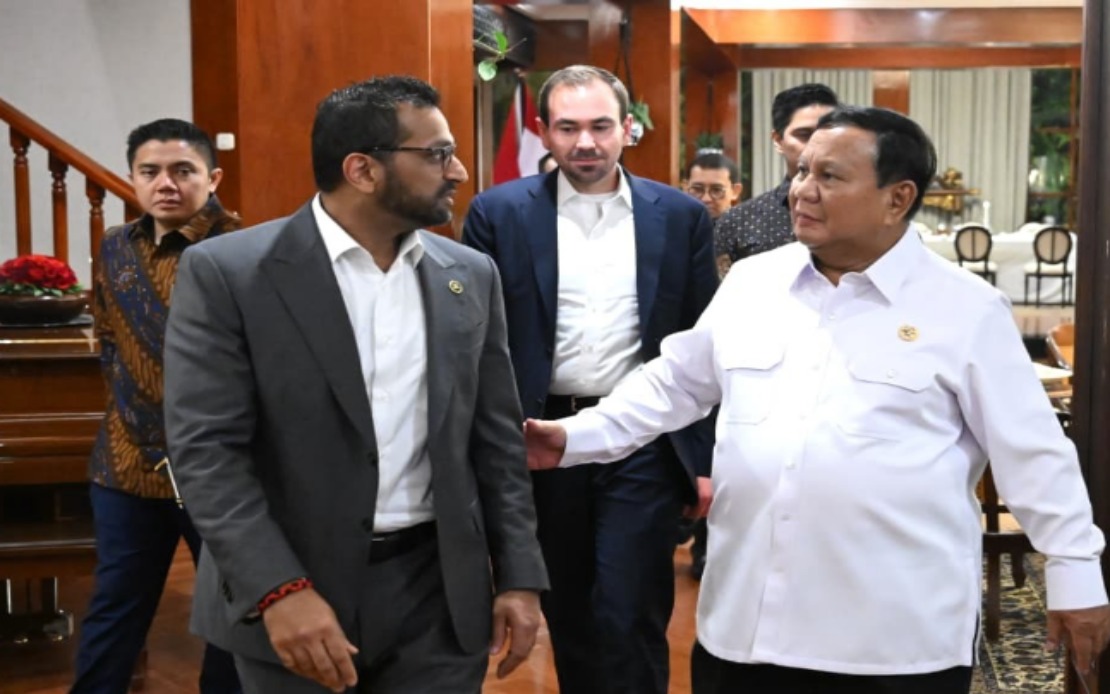
The Federal Bureau of Investigation has delivered a collection of Indonesian cultural treasures to President Prabowo Subianto, marking a milestone in the ongoing diplomatic effort to reclaim artefacts that have been unlawfully trafficked overseas. FBI Director Kash Patel personally transferred the objects during an official visit to the presidential residence at Kertanegara in Jakarta on Wednesday, underscoring the importance both nations place on cultural heritage preservation and the rule of law.
Indonesian Culture Minister Fadli Zon characterised the handover as a significant step forward in bilateral cooperation, noting that it represents tangible progress in Indonesia's broader campaign to restore control over its cultural sovereignty. The minister emphasised in a Thursday statement that Indonesia views the recovery of these artefacts not merely as a legal victory but as an essential element of national identity and historical continuity. The involvement of multiple Indonesian government agencies—including the State Secretariat and Ministry of Foreign Affairs—demonstrates that cultural repatriation has become a coordinated priority at the highest levels of government.
The returned collection originates from Papua and encompasses sacred and culturally significant objects belonging to the Dani and Asmat peoples, as well as communities situated around Lake Sentani. These communities have maintained deep spiritual and historical connections to these artefacts for centuries, and their return addresses long-standing grievances about colonial-era removal and subsequent trafficking through international markets. The provenance research that preceded the repatriation established definitively that the objects had been smuggled into the United States contrary to international cultural protection laws, justifying their return under agreed frameworks.
Minister Fadli stressed that the recovery process depended critically on methodical provenance investigation, which involved tracing the objects' ownership histories and documenting their illegal transit. This scholarly foundation provides Indonesia with stronger legal grounds for future repatriation claims and demonstrates that law enforcement agencies can work effectively across borders when cultural heritage protection becomes a shared priority. The approach sets a precedent for how such cases should be handled, potentially influencing how other nations address similar claims.
The FBI's track record in assisting Indonesia extends beyond this latest delivery. The bureau has previously collaborated with Jakarta authorities to locate and recover stolen bronze statues and artefacts pilfered from numerous Indonesian cultural sites. These prior successes have built confidence on both sides that sustained cooperation yields tangible results, creating momentum for expansion of the partnership. The growing institutional relationship between American law enforcement and Indonesian cultural protection authorities suggests that future repatriation cases may be resolved more swiftly and comprehensively.
Fadli articulated Jakarta's expectation that the partnership will intensify in coming years, with enhanced coordination mechanisms and resource allocation. Such deepening cooperation could encompass wider geographic scope, faster investigative timelines, and improved intelligence-sharing about trafficking networks. The minister's optimism reflects a realistic assessment that thousands of Indonesian artefacts remain scattered across American museums, private collections, and black-market holdings, many acquired during colonial periods or through subsequent illicit channels.
The recovered objects will be exhibited at Indonesia's National Museum, providing Indonesian citizens and international visitors with direct access to authentic cultural heritage. This public display serves multiple purposes: it enables scholarly study of the artefacts' historical significance, educates younger generations about national patrimony, and demonstrates to the international community that Indonesia is reclaiming narrative control over its own cultural narrative. The museum setting also allows proper conservation and preservation of these irreplaceable objects using contemporary techniques.
From a Southeast Asian perspective, Indonesia's success in securing American cooperation on cultural restitution carries broader implications. Malaysia and other regional nations face comparable challenges in recovering artefacts scattered globally, and Indonesia's diplomatic framework could serve as a model for coordinating repatriation efforts. The involvement of senior figures like FBI Director Kash Patel signals that cultural heritage recovery has achieved elevated status within international law enforcement priorities, particularly when Indigenous communities and post-colonial justice intersect.
The repatriation movement also reflects evolving global consciousness about historical wrongs associated with colonial extraction and institutional responsibility. Western museums and law enforcement agencies increasingly acknowledge obligations to cooperate in returning objects to their communities of origin, shifting from earlier assumptions that these institutions had permanent custodianship. Indonesia's persistence in pursuing these claims, backed by legal frameworks and diplomatic channels, has contributed to this attitudinal shift.
Moving forward, the sustainability of US-Indonesia cooperation on cultural heritage will depend on continued political commitment, adequate funding for investigation and conservation, and international legal harmonisation around repatriation standards. Indonesia's demonstrated capacity to conduct rigorous provenance research and engage respectfully with international partners positions it as a leader in Southeast Asian cultural diplomacy. The presence of these objects in the National Museum represents not merely the conclusion of a recovery operation but the beginning of a renewed relationship between communities and their heritage.

