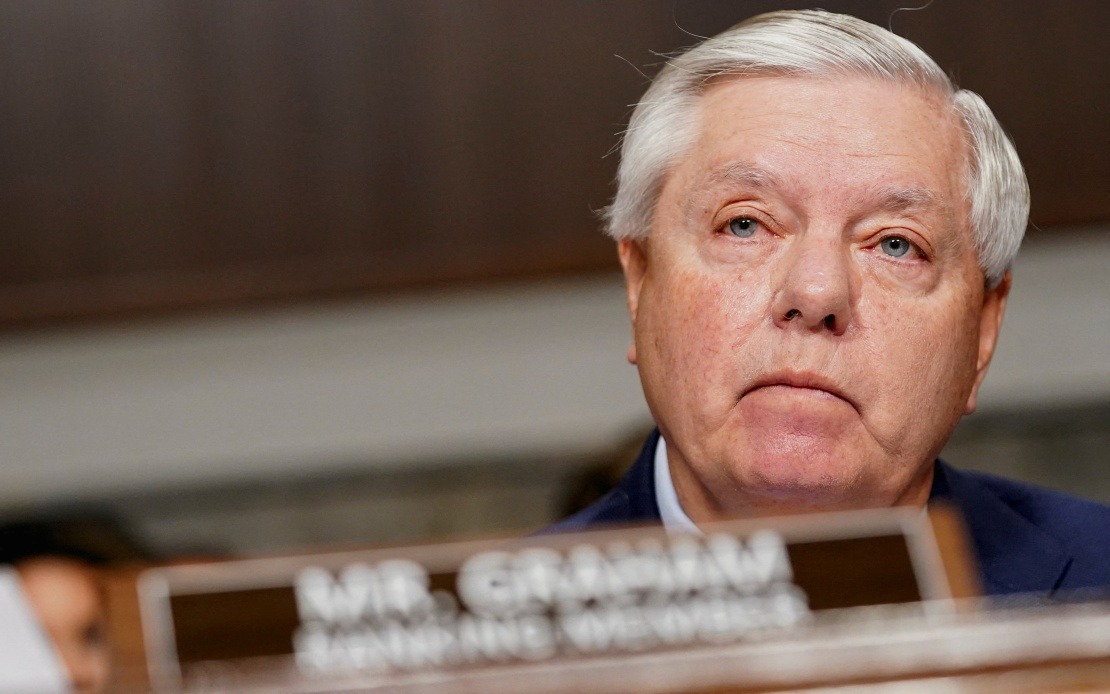
The death of US Senator Lindsey Graham at age 71 marks the loss of one of America's most visible Republican voices and a figure whose influence extended well beyond Capitol Hill. Graham passed away on Saturday, July 11, from what his office characterised as a brief and unexpected health crisis, according to a statement released the following day. His family has requested privacy during this difficult period while expressing gratitude for the prayers and support being offered to them.
Graham's political career spanned more than two decades in the Senate, representing South Carolina since his initial election in 2002. He secured reelection in 2008, 2014, and 2020, establishing himself as a fixture in Republican politics and earning recognition as one of the party's senior members. His tenure reflected significant shifts within the Republican Party itself, particularly during the rise of Donald Trump to prominence within the movement. His partnership with Trump, while sometimes marked by public disagreements, ultimately positioned him as one of the former president's most reliable Senate allies.
At the time of his death, Graham held the chairmanship of the Senate Budget Committee, a position that granted him considerable influence over fiscal policy discussions and budget negotiations. This role underscored his seniority within the chamber and the respect he commanded among his peers regarding budgetary matters. Beyond his committee responsibilities, Graham was preparing to campaign for a fifth consecutive six-year term in the November election, indicating his intention to continue shaping policy in the years ahead.
For Malaysian and Southeast Asian observers, Graham's prominence in US foreign policy warrants particular attention. His recent visit to Kyiv, where he met with Ukrainian President Volodymyr Zelenskyy on Friday, demonstrates his active involvement in shaping American response to the Ukraine conflict. Such diplomatic engagements highlight how Senate leadership directly influences Washington's international commitments, a matter of considerable concern across Asia as countries navigate the complicated dynamics of great-power competition.
Graham's career reflected the transformations within American conservatism over recent decades. His evolution from a more traditional Republican to one of Trump's closest associates illustrated broader shifts in party alignment and priorities. This transformation, while sometimes generating controversy, reflected genuine changes in how American voters engaged with political messaging and identity.
The timing of his death carries significance for American political calendars. With the November election approaching and Graham's campaign for reelection already underway, his passing creates immediate questions about Senate composition and Republican strategy heading into what promises to be a consequential election cycle. South Carolina's political landscape, where Graham held considerable influence, will likely experience substantial shifts.
For international observers in Southeast Asia, Graham's death removes a prominent voice in Senate debates regarding Asia-Pacific policy, trade relationships, and security arrangements. Though his influence on regional matters was typically indirect, filtered through broader American foreign policy debates, his views often carried weight in discussions about China policy, defence commitments, and trade negotiations affecting the region.
The senator's relationship with the media and public discourse made him a recognisable figure beyond specialist political circles. His willingness to engage in public debate and his articulate defence of his positions, even when controversial, contributed to his profile as a political leader willing to engage directly with critics and supporters alike.
Graham's passing at a moment of significant international tension—particularly regarding Ukraine—underscores how individual political leaders shape diplomatic relationships and policy responses. His recent engagement with Zelenskyy represented continuity in American support for Ukraine, a position Graham had consistently championed.
The loss of Graham eliminates one of the Republican Party's established voices during a period of considerable internal party discussion about direction and priorities. His death comes as the party prepares for significant electoral battles and debates about its future orientation.
For those monitoring American political development from the Asia-Pacific region, Graham's career and influence demonstrate how Senate leadership shapes not only domestic policy but also international relationships and commitments. His absence from upcoming legislative sessions and campaign activities will likely create observable shifts in Republican strategy and policy positioning on multiple fronts.

