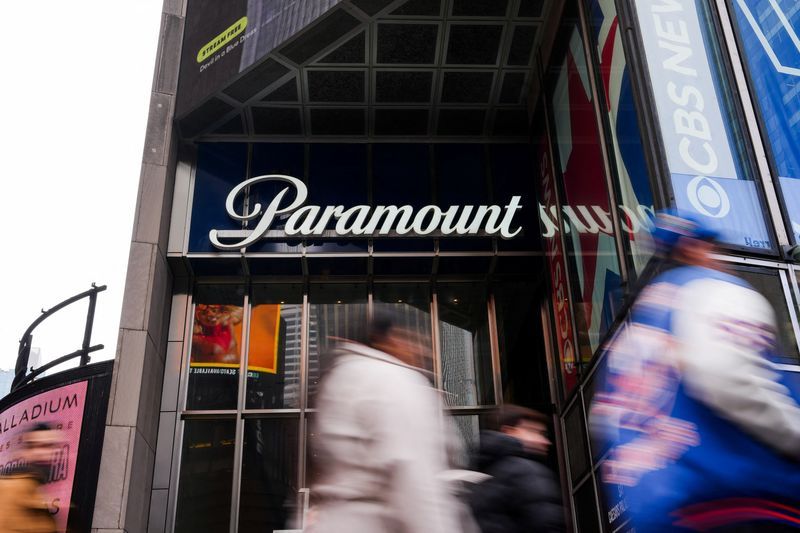
A coalition of twelve US states led by California has mounted a legal challenge to block Paramount's proposed merger with Warner Bros Discovery, citing serious concerns about market concentration in both theatrical exhibition and cable television distribution. The lawsuit, filed in July, represents a significant regulatory hurdle for a transaction that would consolidate two of America's five major film studios and create an entertainment conglomerate with substantial leverage over both cinema operators and pay-TV providers.
California Attorney General Rob Bonta articulated the states' core argument at a news conference held symbolically in front of the Hollywood sign: the combination would ultimately harm consumers and small business operators across the country. Bonta warned that theater owners, facing pressure from a combined Paramount-Warner entity commanding over 27 percent market share in movie distribution, would have little negotiating power to resist demands for higher film rental fees. This dynamic, he contended, would force cinemas to choose between raising ticket prices or reducing investments in customer amenities that have become essential for competing with streaming platforms.
The competitive dynamics of theatrical exhibition have shifted markedly since the pandemic. Movie theaters remain below pre-pandemic attendance levels, yet studios have increasingly sought larger shares of box-office revenue. Historically, studios and theaters have split ticket proceeds evenly, though major studios can now command as much as 60 percent for highly anticipated releases. An anonymous executive from an independent theater chain expressed anxiety that a merged studio could unilaterally impose even steeper rental arrangements, leaving cinemas without practical recourse. This power imbalance would ripple through the exhibition sector, potentially affecting everything from seat comfort to concession options—the very amenities theaters have invested heavily to upgrade in response to streaming competition.
The states' complaint draws a direct parallel to an earlier media consolidation that reshaped studio output. When The Walt Disney Company acquired entertainment assets from Fox in 2019, the combined entity significantly reduced theatrical releases. Between 2015 and 2018, Disney and Fox together distributed 112 wide-release films annually. After the merger, that number contracted to 54 films for the 2022-2025 period, demonstrating how consolidation can reduce the volume of product available to theaters—a concerning precedent for the Paramount-Warner Bros. combination.
Current box-office performance underscores the precarious position of theatrical venues. Year-to-date receipts in the United States and Canada reached $5.1 billion in 2026, representing a 10.6 percent improvement over the previous year but still lagging 16.3 percent below 2019 levels. Within this recovery environment, any reduction in negotiating leverage or increase in operating costs would prove particularly damaging to independent and regional operators already managing thin margins and competing for audience attention against well-capitalized streaming services.
The cable television dimension of the merger adds another competitive concern. A combined Paramount-Warner entity would control an array of popular networks including CNN, TNT, Food Network, and HBO. With reduced competition between the two companies for carriage on pay-TV platforms, distributors would face diminished bargaining power in negotiations. The complaint argues that cable providers would have little practical choice but to accept the merged company's distribution terms, effectively transferring negotiating leverage from providers to the content owner—a shift that would likely manifest in higher subscription costs passed to consumers.
Paramount has defended the transaction vigorously, arguing through CEO David Ellison's statement that the lawsuit misrepresents modern entertainment competition and relies on outdated antitrust principles. The company emphasizes that delaying the merger would harm workers already struggling as technological disruption has reshaped the industry, and specifically notes that California has suffered tens of thousands of job losses in entertainment sectors. This argument appeals to economic anxiety and employment concerns within the state where the merger faces its strongest political opposition.
The financial pressure on Paramount to complete the transaction before October is substantial. Ellison has committed to paying Warner Bros. Discovery shareholders a quarterly ticking fee of 25 cents per share, approximately $650 million every three months, should the deal fail to close by that deadline. This escalating cost structure creates urgency within Paramount's leadership but also provides leverage to state attorneys general, who can exploit time constraints and financial exposure in their regulatory defense.
Cinema United, the trade organization representing theater owners, has emerged as a vocal opponent and has actively lobbied against the merger. Its president and CEO Michael O'Leary frames the issue in terms that resonate beyond Hollywood, arguing that local movie theaters function as cultural and financial anchors in communities across the nation. This framing transforms the debate from a narrow antitrust matter into a broader question about economic vitality and community character in small towns and neighborhoods—an argument with considerable political resonance across diverse American jurisdictions.
The lawsuit notably refrains from challenging Paramount's intention to merge its Paramount+ streaming service with Warner Bros.' HBO Max, suggesting state regulators view streaming as operating within a distinct competitive context from theatrical distribution and cable television. This focused critique on theatrical and cable markets reflects evolved thinking about how to analyze competition in the streaming age, where video entertainment spans multiple platforms with fundamentally different business models and consumer relationships.
For Malaysian and Southeast Asian observers, this American regulatory conflict carries instructive implications about how traditional media companies navigate consolidation in an era of digital disruption. The tension between efficiency gains from scale and the market power risks of concentration plays out similarly across major markets. As regional entertainment conglomerates consider strategic combinations, the Paramount-Warner Bros. case provides a cautionary example of how seemingly efficient mergers can trigger antitrust scrutiny and regulatory delay, potentially motivating more carefully structured transactions or divestitures designed to address competitive concerns proactively.

