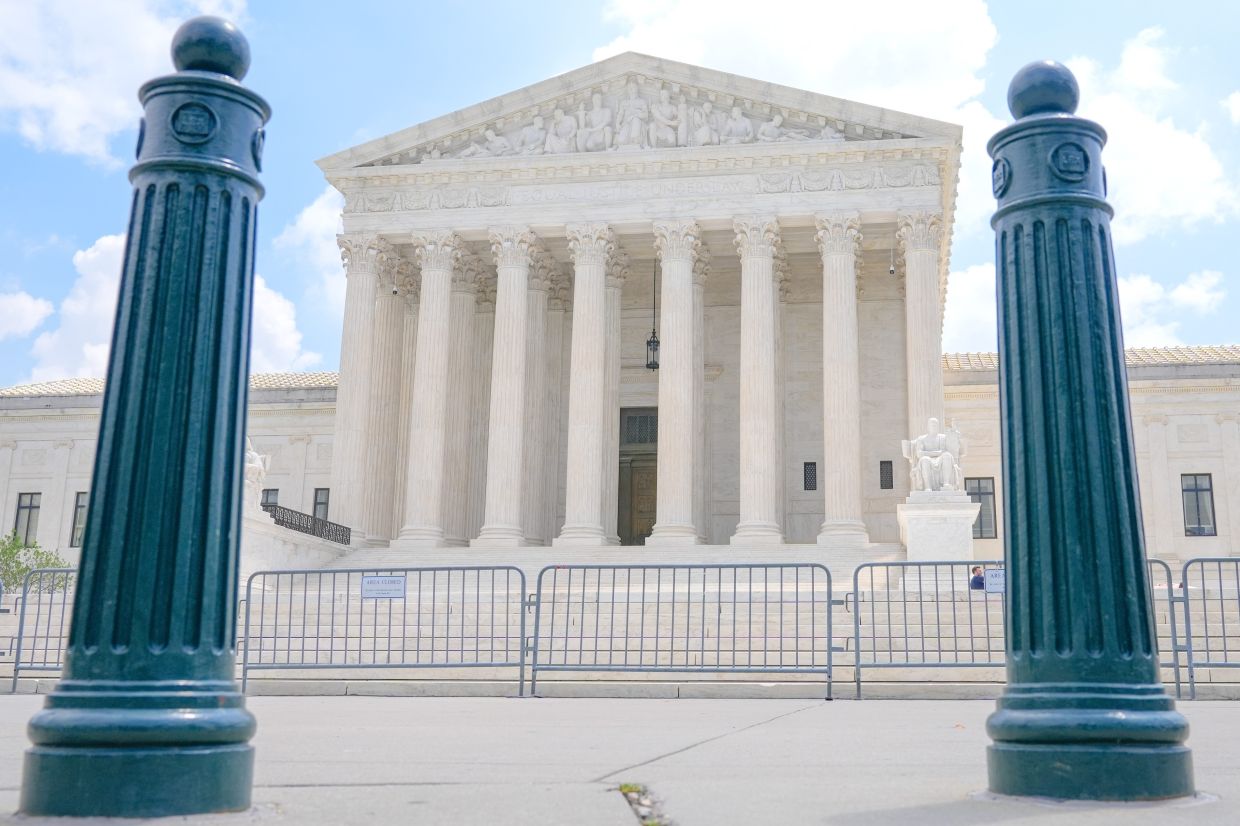
The United States Supreme Court has cleared the way for Texas to enforce an age verification requirement for mobile app downloads, rejecting emergency appeals from civil liberties groups and tech industry organisations who contended the law violates fundamental constitutional protections. Justice Samuel Alito issued brief, single-sentence orders denying multiple petitions seeking to block implementation of the Texas App Store Accountability Act, marking a significant victory for state-level efforts to regulate digital content accessible to minors.
The legal landscape surrounding this statute has been contentious since its inception. A federal district court previously declared the law unconstitutional in December of the previous year, concluding it overstepped constitutional boundaries. However, in June, a three-judge panel from the 5th US Circuit Court of Appeals reversed that decision and suspended the injunction, allowing the law to move forward despite the constitutional objections. The Supreme Court's refusal to intervene represents tacit acceptance of the appellate court's reasoning and leaves the law in place pending further proceedings in lower courts.
The challengers to the legislation include prominent industry voices such as the Computer & Communications Industry Association alongside advocacy group Students Engaged in Advancing Texas. Both entities have pursued legal action against Texas Attorney General Ken Paxton, positioning their cases squarely within ongoing national debates about digital regulation, youth protection, and corporate responsibility. Their combined opposition reflects deep rifts within American society regarding who should control what young people can access online and through what mechanisms that control should operate.
The plaintiffs' legal team mounted arguments centred on constitutional protections for speech and expression. They asserted that the statute impermissibly restricts access to material protected under the First Amendment, encompassing journalism, educational resources, and other legitimately protected content. Their position reflects broader concerns that age verification mechanisms, even well-intentioned, create barriers that effectively suppress protected speech by making it less accessible, particularly to users near the dividing line between permitted and restricted age groups. This concern extends beyond Texas, as similar legislative proposals circulate in other states and at the federal level.
Students Engaged in Advancing Texas articulated a complementary argument grounded in parental autonomy. The organisation's legal representatives emphasised that constitutional safeguards protect parents' rights to make independent decisions about their children's online activities without government prescription. They contended that allowing states to mandate app store age verification mechanisms represents an improper government intrusion into family decision-making structures. The argument echoes longstanding American legal traditions that vest considerable discretion in parents regarding their children's upbringing and exposure to information.
Conversely, the Texas Attorney General's office constructed its defence around child protection imperatives. Paxton's legal team characterised the statute as a necessary protective measure addressing genuine harms posed by unregulated app access. Their submissions highlighted scenarios where children with unchecked access to app stores might download applications that harvest personal data, compromise privacy, expose minors to harmful content, or facilitate unwanted commercial exploitation—all potentially occurring without parental awareness or consent. This characterisation frames the law not as censorship but as a reasonable boundary-setting mechanism protecting vulnerable populations.
The tension between these competing interests reflects broader global challenges regarding digital regulation. Nations worldwide grapple with similar questions about balancing youth protection against freedom of expression, parental authority against state responsibility, and innovation freedom against social welfare. Malaysia and other Southeast Asian nations increasingly confront these same dilemmas as smartphone penetration expands and online content consumption by young people accelerates. The Texas case therefore carries implications extending well beyond American borders, potentially influencing regulatory approaches adopted by governments throughout the region.
The Supreme Court's decision to deny the petitions without issuing a written opinion preserves judicial flexibility while essentially endorsing the appellate court's position. This procedural choice suggests the justices either declined to perceive sufficient constitutional concern to warrant intervention or preferred allowing the regulatory experiment to proceed while lower courts continue their examination. The practical effect allows Texas to implement and enforce its age verification requirements while legal challenges continue through the traditional appellate process, potentially reaching the Supreme Court again at a later stage with fuller briefing and clearer factual records.
Industry observers anticipate that this decision may embolden other states to pursue similar regulatory frameworks. Approximately two dozen states have proposed or are considering comparable age verification schemes for digital platforms. Texas's success in defending its statute through the appellate process, now reinforced by the Supreme Court's refusal to block implementation, signals to other legislatures that courts may prove receptive to such regulations. However, the legal battle remains incomplete, as district courts continue examining whether the law survives constitutional scrutiny under relevant legal frameworks.
The practical consequences for app developers, distributors, and consumers remain to be fully determined. Implementation details regarding how age verification will operate, what documentation or proof systems developers must establish, and how the law will be enforced against out-of-state companies remain subjects of ongoing regulatory development. These operational questions will substantially influence whether the statute achieves its stated child protection objectives or instead creates new barriers that frustrate legitimate access to protected content and services.
Looking forward, the unfolding legal landscape suggests intensifying struggles over digital regulation will characterise coming years. The Supreme Court's apparent willingness to permit such regulatory experiments, even amid free speech concerns, suggests courts may increasingly defer to legislative judgments about protecting minors online. This tendency potentially creates space for more extensive state-level control over digital content distribution, a development with significant implications for technology companies operating across multiple jurisdictions and for individuals whose digital freedoms may become subject to increasingly restrictive regulatory regimes.
For Malaysian stakeholders observing these developments, the Texas case demonstrates how democracies navigate tensions between competing values when regulating digital spaces. As Malaysia develops its own approach to protecting young people from harmful online content while preserving legitimate expression, the American legal experience—including both the legislative impulse toward age verification and the constitutional concerns such measures generate—offers valuable lessons about practical effectiveness, unintended consequences, and the importance of balancing protection with freedom.

