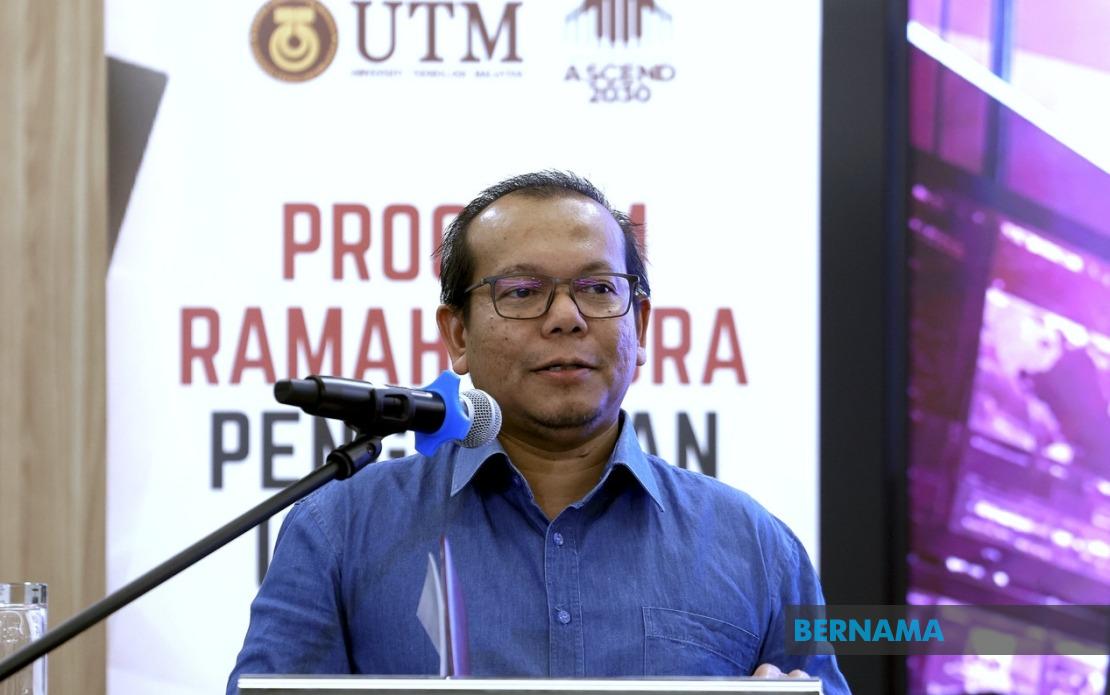
Universiti Teknologi Malaysia is taking deliberate steps to deepen its partnership with the media, recognising that accurate information dissemination has become crucial to institutional credibility in an age of rapid misinformation. Vice-Chancellor Prof Dr Mohd Shafry Mohd Rahim stressed during the University Management's Media Networking Session that universities increasingly find themselves vulnerable to false allegations and distorted reporting that can erode decades of carefully built reputation within days. The initiative represents a broader acknowledgement among Malaysia's higher education sector that proactive engagement with journalists and news organisations is essential to maintaining public confidence.
The reputational risks facing universities have intensified considerably in recent years as social media amplifies unverified claims and partial truths reach audiences faster than institutions can respond. Prof Mohd Shafry highlighted the paradox facing modern universities: while it may take many decades to establish institutional credibility and academic standing, a single wave of inaccurate negative coverage can inflict substantial damage that becomes difficult to reverse. This asymmetry has prompted Malaysian universities to reconsider their media engagement strategies, moving from reactive responses to incidents towards proactive relationship-building with journalists and editors who shape public perception of the sector.
Under the new collaboration framework, UTM commits to providing media practitioners with direct access to its faculty members and subject-matter experts who can serve as authoritative sources for accurate reporting on complex academic and research topics. This approach addresses a persistent challenge in science and technology journalism: reporters often struggle to locate qualified experts who can explain research findings in accessible language while maintaining scientific rigour. By positioning its academics as reliable sources, UTM aims to improve the quality of coverage about higher education research and innovations across Malaysian news outlets.
The university is also preparing comprehensive training programmes focused on artificial intelligence and emerging technologies, designed specifically for media professionals who increasingly must report on these complex fields. Such initiatives benefit journalists by enhancing their technical literacy while simultaneously allowing UTM to shape narratives around its own research contributions. This mutual investment in media capability reflects recognition that better-informed journalists produce more nuanced and accurate coverage that serves public understanding.
Furthermore, UTM is developing structured mechanisms to distribute its research findings and institutional innovations through established media channels more efficiently. Rather than relying on ad-hoc press releases, the university intends to create systematic pathways for newsworthy discoveries to reach appropriate journalists and outlets. This institutionalised approach increases the likelihood that significant research breakthroughs will receive media attention, amplifying the university's profile while ensuring the public learns about innovations that may benefit society.
The collaboration protocol includes representation from Malaysian National News Agency Bernama, which as the country's principal news distribution service holds particular influence over what stories reach the broadest audience. The presence of Bernama Chief Executive Officer Datin Paduka Nur-ul Afida Kamaludin and Acting Deputy Editor-in-Chief Harlina Samson at the networking session signals institutional-level commitment to the partnership. For Bernama, access to UTM expertise and research findings represents valuable content that can strengthen its reporting on science, technology, and higher education policy issues.
This strategic initiative carries implications beyond UTM itself, potentially establishing a template that other Malaysian universities might follow. As regional competitors in Southeast Asia develop increasingly sophisticated media engagement capabilities, Malaysian institutions recognise that reputation management through accurate media relations has become a competitive necessity. Universities competing for international student enrollments, research partnerships, and funding must ensure that their achievements receive fair coverage in both domestic and international media.
The collaboration also addresses concerns about the spread of academic misinformation and pseudoscience in public discourse. When universities proactively engage journalists and provide expert sources, they contribute to raising overall standards of science communication across the media landscape. This has particular relevance for Malaysia, where false health claims, unverified technological assertions, and conspiracy theories circulate widely through both traditional and social media channels. Having universities function as reliable sources of fact-checked information strengthens the broader information ecosystem.
Prof Mohd Shafry's expressed hope that these strengthened collaborations will benefit Malaysia's entire higher education ecosystem reflects understanding that institutional reputation issues affect the sector collectively. When one university faces reputational damage from misinformation, public confidence in higher education generally may diminish. Conversely, when universities collectively ensure accurate media coverage, the sector benefits from improved public standing and enhanced social support. This collaborative rather than purely competitive approach suggests mature institutional thinking about shared challenges facing Malaysian universities.
The partnership also positions UTM to contribute more effectively to public policy discourse. Research universities generate substantial evidence on economic, social, and technological issues that should inform government decision-making and public debate. However, research findings often remain confined within academic circles unless effectively communicated through media channels. By strengthening media relationships, UTM enhances its capacity to contribute its expertise to national conversations on critical issues affecting Malaysia's development and competitiveness in the region.

