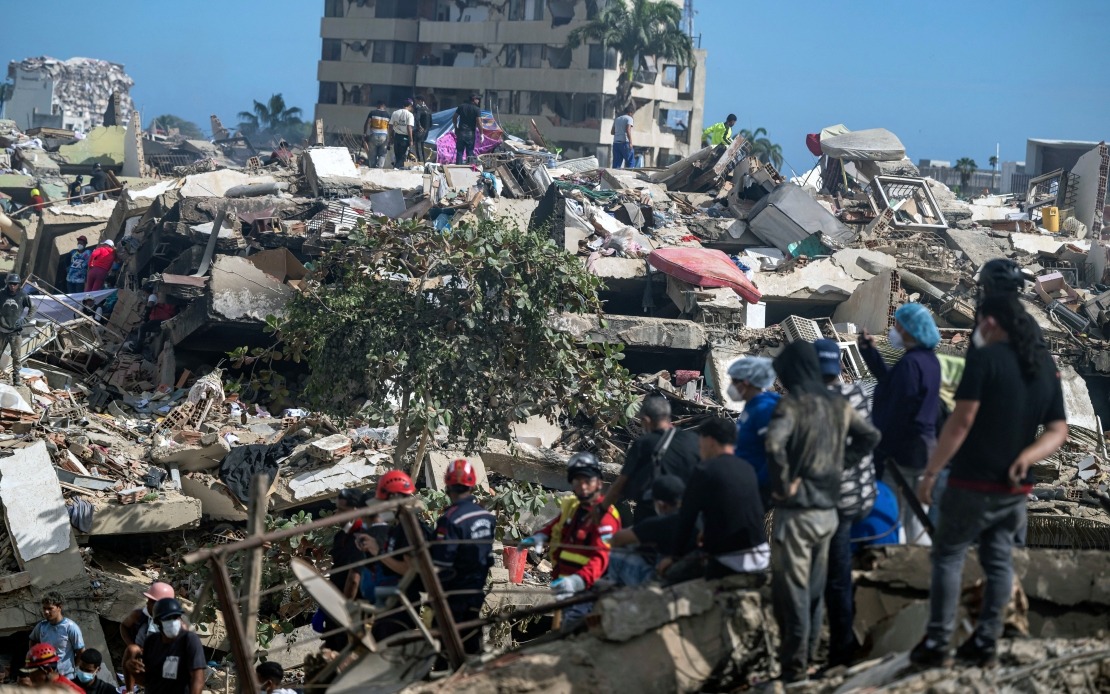
The humanitarian crisis unfolding in northern Venezuela has deepened significantly, with confirmed fatalities from the June 24 earthquake sequence climbing to 2,295 people, according to an announcement by National Assembly President Jorge Rodriguez during a televised national briefing on Wednesday. The scale of the disaster extends far beyond immediate deaths, reflecting the severe structural damage inflicted across the affected region. Rodriguez disclosed that the injury toll has risen to 11,267 individuals, while authorities estimate that approximately 12,841 people have been displaced from their homes, creating an urgent need for temporary shelter and relief assistance.
The seismic event itself comprised two consecutive powerful shocks measuring 7.2 and 7.5 magnitude respectively, delivering a devastating one-two blow to infrastructure and settlements across northern Venezuela. In the aftermath of these primary tremors, the region has endured 782 documented aftershocks, indicating sustained geological instability in the area. However, seismic specialists have provided some reassurance, noting that both the frequency and underground intensity of these secondary tremors have demonstrated a consistent downward trend over the preceding 48 hours. This diminishing pattern, while encouraging, does not guarantee an end to seismic activity, prompting continued caution among residents and authorities alike.
National Assembly President Rodriguez tempered optimism about the declining seismic activity with cautious messaging, stating that although "the threat seems to be diminishing, it hasn't disappeared." His warnings reflected particular concern about the structural integrity of buildings throughout the disaster zone, where compromised concrete structures pose ongoing hazards to inhabitants and rescue workers. This caveat underscores the reality that even as immediate earthquakes decrease in frequency, the physical dangers created by structural damage remain acute and potentially catastrophic if aftershocks reignite.
The scale of structural destruction revealed by preliminary satellite analysis compounds the human tragedy. NASA satellite data assessment indicates that more than 58,000 buildings across the impacted zones suffered damage or complete destruction, a figure that illustrates the geographic breadth of the disaster. Such wholesale building damage typically correlates with widespread homelessness, disrupted utilities, contaminated water supplies, and severely compromised sanitation infrastructure—secondary effects that often prove as lethal as the initial earthquake itself if left unaddressed.
Emergency response mobilization has been substantial, with over 4,000 personnel deployed across affected areas conducting intensive search and rescue operations. These coordinated efforts have yielded significant results, with rescue teams successfully extracting 6,461 individuals from collapsed structures as of Wednesday. The international dimension of the response reflects the scale of the disaster, with rescue personnel from more than 30 countries contributing specialized teams, equipment, and expertise to the ongoing recovery operations. This multinational response demonstrates regional and global solidarity in responding to natural disasters, a precedent relevant for Southeast Asian nations that face similar seismic and natural disaster risks.
The UN's procurement of 10,000 body bags signals both the anticipated recovery challenges ahead and the sobering reality that additional fatalities remain likely as rescue operations continue. This logistical planning reflects the grim calculus of large-scale disaster response, where authorities must prepare for scenarios while simultaneously working to prevent them. The acquisition of such quantities underscores expectations that casualty figures may yet increase as rescue teams penetrate deeper into collapsed buildings and conduct more thorough searches of affected communities.
For Malaysian readers and Southeast Asian observers, Venezuela's earthquake presents instructive lessons regarding disaster preparedness and international cooperation frameworks. The region shares similar seismic vulnerabilities with parts of Southeast Asia, particularly Indonesia and the Philippines, which face comparable earthquake and tsunami risks. The Venezuelan response demonstrates both the critical importance of pre-positioned emergency resources and the capacity for rapid international coordination during humanitarian crises. Malaysian disaster management agencies and regional ASEAN mechanisms may draw valuable insights from observing how the Venezuelan authorities mobilized resources and coordinated foreign assistance in the immediate aftermath of the disaster.
The ongoing rescue operations represent a race against diminishing survival probabilities, as statistics consistently show that survivors trapped in rubble typically survive only within the first 72 hours following building collapse. Wednesday's briefing occurred approximately ten days after the initial earthquakes, meaning that the window for finding survivors alive has substantially narrowed. This temporal reality lends urgency to the continued operations and explains why thousands of rescuers maintain intensive efforts despite the passage of time. The recovery of 6,461 individuals from rubble represents an extraordinary achievement given these constraints, though it also raises questions about how many potential survivors may have been lost due to initial response delays or resource limitations.
The Venezuelan situation also illustrates the cascading nature of disaster impacts. Beyond the immediate humanitarian catastrophe, the earthquake has created economic devastation, disrupted critical services, displaced vulnerable populations, and created conditions favorable for disease outbreaks in crowded temporary shelters. Recovery timelines in comparable disasters typically extend across months and years, demanding sustained international attention and financial support well beyond the initial emergency response phase. Venezuela's existing economic and political challenges compound these recovery difficulties, potentially extending humanitarian needs and complicating reconstruction efforts compared to disasters occurring in more resource-rich nations.
Looking forward, the focus will shift gradually from immediate rescue operations toward longer-term recovery and reconstruction phases. Building code reviews, infrastructure repair, and psychosocial support for traumatized populations will occupy attention over coming months. For regional observers in Southeast Asia, the Venezuelan experience reinforces the imperative of robust building standards, regular earthquake preparedness drills, and maintained international cooperation networks capable of rapid activation during crises. The success of the current rescue operation, while impressive in absolute terms, also highlights how thoroughly earthquakes of this magnitude can overwhelm even well-coordinated response systems, underscoring the critical importance of prevention-focused approaches to seismic risk management.

