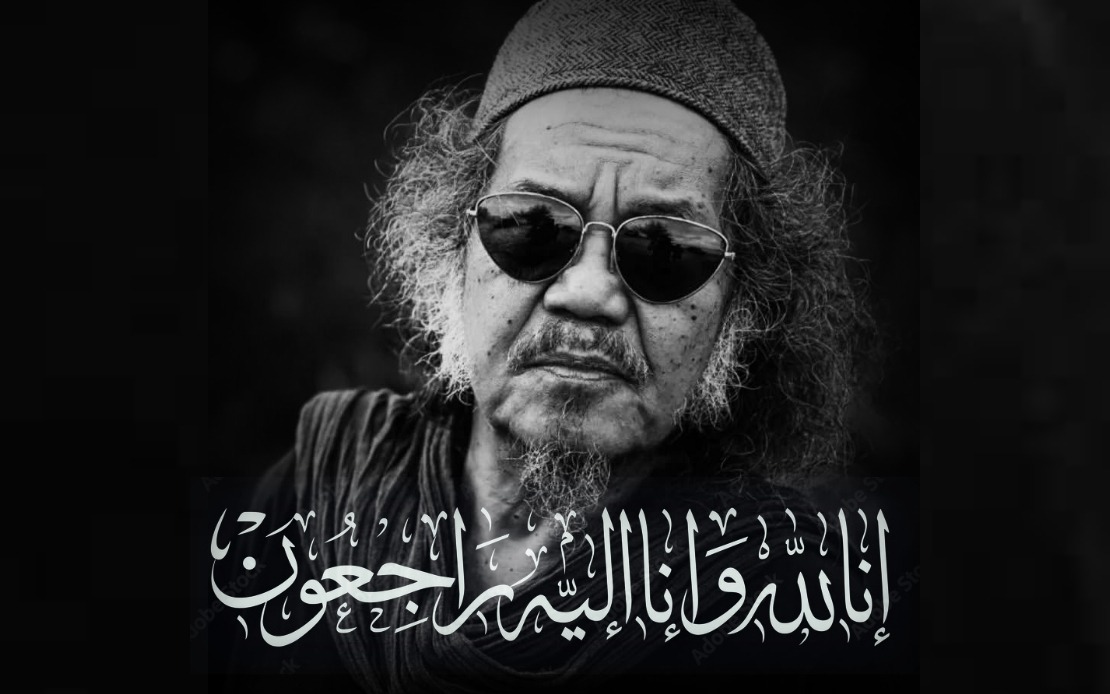
Kamarool Yusoff, the veteran Malaysian actor who became a household name through his portrayal of a memorable antagonist in the beloved comedy series Gila-gila Remaja, passed away on August 5 at the age of 68. The actor, whose full name was Kamarozaman Yusoff and who was also known by the stage names Farok and Cik Man, succumbed to heart complications while undergoing treatment at Tanah Merah Hospital in Kota Bharu. His death marks the end of an era for Malaysian entertainment, as he was among the generation of performers who helped establish local television comedy during a formative period of the medium's development in the country.
The news of his passing was first announced through social media by comedian Mohammad Amirullah Azmi, professionally known as Amir Raja Lawak, who shared a heartfelt tribute on Facebook. Amir Raja Lawak extended his sympathies to the bereaved family and offered a prayer for the departed actor, expressing the collective sense of loss felt within the Malaysian entertainment community. The announcement quickly circulated through social networks, prompting an outpouring of remembrances from colleagues, friends, and fans who had grown up watching Kamarool's performances on screen.
Kamarool's son, Ahmad Fakhrol Aliff, who is 23 years old, confirmed the details of his father's death when contacted by media representatives. According to Ahmad Fakhrol Aliff, his father passed away at 5:30 pm while receiving medical care for the cardiac condition that had required hospitalisation. The son indicated that funeral arrangements were being prepared for the following morning, though the specific venue for the religious ceremony had not yet been finalised at the time of the announcement. This swift organisation of funeral proceedings reflected both the family's wish to honour Islamic burial customs and the practical considerations required when arranging services for a public figure.
The career trajectory of Kamarool Yusoff represents a significant chapter in Malaysian popular entertainment history. His rise to prominence came through his compelling performance in Gila-gila Remaja, where he embodied a villainous character that audiences found both entertaining and memorable. During an era when Malaysian television was still developing its distinctive voice and establishing local production standards, performers like Kamarool helped create content that resonated deeply with viewers across the country. His work contributed to the foundation upon which subsequent generations of Malaysian comedians and actors would build their careers.
Gila-gila Remaja itself holds an important place in the cultural memory of Malaysians who grew up during the television's golden age in the country. The series was known for its humorous approach to youthful themes and social situations, offering entertainment that was both sophisticated enough for adults and accessible to younger viewers. Kamarool's character became one of the show's defining elements, demonstrating the actor's skill in creating a portrayal that balanced comedy with genuine dramatic tension. His ability to command the screen as an antagonist showcased the depth of talent that existed within Malaysia's entertainment industry at that time.
The loss of Kamarool reflects a broader pattern affecting Malaysia's veteran entertainers. Many performers from the early and mid-era of Malaysian broadcasting are now advancing in age, and their passing represents the gradual transition of the entertainment landscape. Each retirement or death removes from the industry someone who possesses firsthand knowledge of how Malaysian entertainment evolved and the specific circumstances that shaped its development. These veteran actors serve as living connections to periods of cultural history that are increasingly becoming the subject of nostalgic reflection rather than contemporary practice.
Heart-related ailments have become increasingly significant health concerns across Malaysia and the broader Southeast Asian region. The medical circumstances of Kamarool's death underscore the importance of cardiovascular health management, particularly among older populations. Malaysia's healthcare infrastructure, represented in this case by Tanah Merah Hospital's provision of treatment, continues to respond to cardiac emergencies, though the outcome in this instance was ultimately unable to prevent the actor's passing. The incident may prompt discussions among the public regarding health awareness and preventive measures for heart conditions.
Kamarool Yusoff's legacy extends beyond his specific performances to encompass his contribution to the establishment of Malaysian entertainment as a recognisable industry with its own traditions and professional standards. During the era in which he worked, the boundaries between local and imported entertainment were still being negotiated, and locally produced content was gradually gaining confidence and audience preference. Performers like Kamarool helped demonstrate that Malaysian audiences could be captivated by stories and characters created within their own cultural context, a realisation that ultimately shaped the direction of the country's media industry.
The entertainment community's response to Kamarool's death reflects the interconnected nature of Malaysia's performing arts world. Colleagues across different eras of Malaysian television and film have acknowledged his contributions and shared in the collective mourning. This outpouring serves as recognition that even performers whose most famous work may seem dated to younger audiences maintained relevance and respect within professional circles. The respect accorded to Kamarool underscores the principle that contributions to cultural development merit acknowledgment regardless of whether specific works remain in active circulation.
For contemporary Malaysian audiences, particularly younger viewers who may not have encountered Kamarool's work directly, his passing serves as a reminder of the depth of talent that characterised earlier periods of the country's entertainment industry. Retrospective appreciation of his performances and those of his contemporaries has grown in recent years as audiences and critics have developed greater interest in the history of Malaysian media. Educational programmes and streaming platforms increasingly feature classic Malaysian entertainment from Kamarool's era, allowing new generations to engage with the work that made him famous and to understand the historical context in which he performed.

