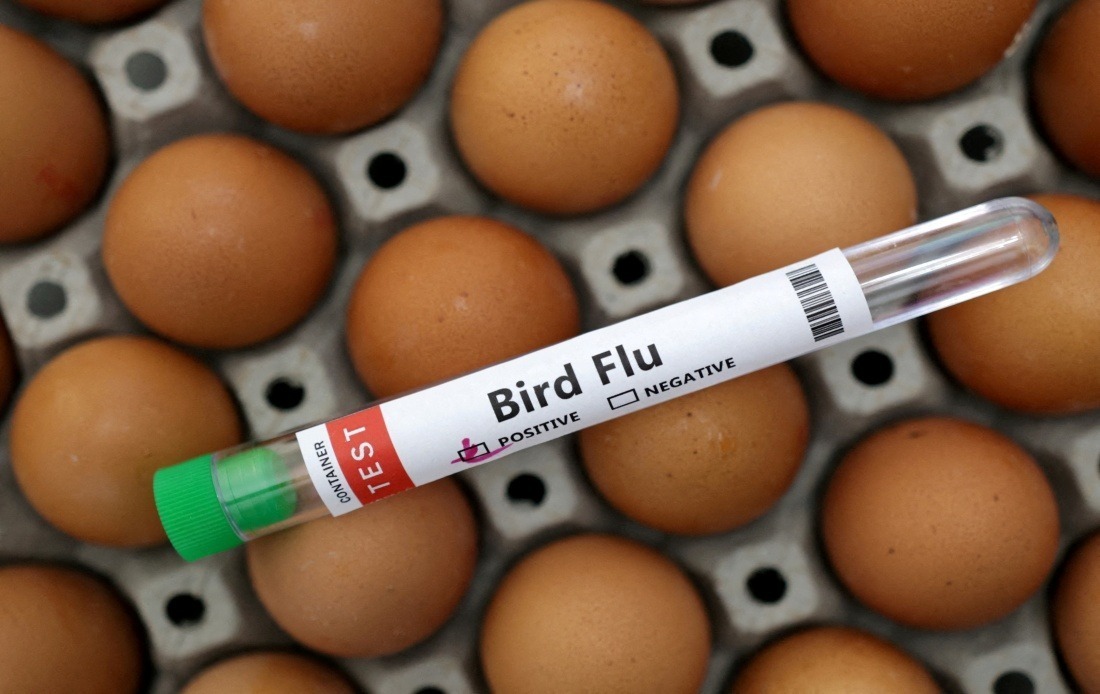
Victoria has become the first Australian state to mandate indoor housing for commercial poultry operations, stepping up containment efforts as H5N1 avian influenza continues spreading across the southeastern region. The mandatory order, which elevates an existing voluntary arrangement into a binding requirement, represents a significant escalation in biosecurity response and signals the severity with which authorities view the outbreak's trajectory. Producers maintaining flocks exceeding 50 birds must now comply with the indoor confinement directive, initially set for a 14-day period while authorities assess the epidemiological situation.
The decision emerged following a cluster of new positive detections in three distinct locations within Victoria—Yambuk, Apollo Bay, and Clyde—indicating the virus is establishing itself across wider geographic areas than previously documented. State Chief Veterinary Officer Graeme Cook pointed to this geographic dispersal as the primary driver for strengthening containment protocols, suggesting that the pathogen's presence in multiple unconnected regions warrants precautionary measures to prevent further transmission pathways. Agriculture Minister Michaela Settle characterised the policy as a forward-looking, precautionary intervention designed to prevent farmed birds from accessing outdoor environments where contact with potentially infected wildlife populations remains possible.
National Chief Veterinary Officer Beth Cookson confirmed on Friday that laboratory testing had identified an additional 20 positive samples within Victoria's borders, all originating from greater crested terns in the Portland and Nelson coastal area. This latest batch brings Australia's cumulative confirmed or presumed positive H5 detections to 175 cases across tested samples, according to Australian Broadcasting Corporation reporting. The concentration of avian species affected—particularly wild water birds rather than domestic poultry—reflects the typical epidemiological pattern of H5N1, which spreads readily through wild bird populations before occasionally jumping into commercial agricultural settings.
Crucially, authorities have emphasised that no detections have yet occurred within domesticated poultry flocks or Australia's broader agricultural production infrastructure, a critical distinction that has prevented the outbreak from escalating into an agricultural crisis. The risk trajectory to human populations remains characterised by health officials as very low, reflecting the limited zoonotic transmission patterns documented for H5N1 in most circumstances. Nevertheless, the precautionary stance adopted by Victoria's government reflects the lessons learned from avian influenza outbreaks in other countries, where early intervention has proven more cost-effective than responding to established transmission within farmed bird populations.
The indoor housing mandate applies universally to any facility or property maintaining poultry operations exceeding the 50-bird threshold, effectively capturing commercial enterprises while exempting small backyard flocks below that level. This operational definition balances biosecurity imperatives against the practical constraints of smaller producers, who represent a significant portion of Australia's dispersed poultry sector. The 14-day timeframe provides authorities with a defined window to monitor outbreak progression and determine whether further restrictions are warranted or whether the situation stabilises sufficiently to permit a return to voluntary compliance arrangements.
Beyond agricultural regulation, the outbreak's psychological and cultural impacts are already manifesting across the state. The Royal Adelaide Show, a major annual agricultural exhibition scheduled for the coming month, has cancelled all bird and poultry-related displays and competitive categories. This decision reflects both the heightened biosecurity environment and the desire to prevent large gatherings of avian stock that could potentially facilitate transmission if any infected birds were inadvertently present. The cancellation represents an economic and social cost to exhibitors and agricultural communities that rely on such showcases for sales, networking, and competition opportunities.
For Malaysia and Southeast Asian nations, Australia's experience carries important implications for regional biosecurity preparedness. The Indo-Pacific region has historically served as a reservoir and transmission hub for avian influenza variants, with previous outbreaks in Indonesia, Vietnam, and Thailand demonstrating the capacity of H5N1 to cause significant poultry industry disruptions. Australia's proactive approach—implementing restrictions before domestic poultry became infected—offers a policy template worth considering for jurisdictions throughout the region where poultry production generates substantial economic value and employment. The voluntary-to-mandatory compliance escalation model that Victoria employed may prove instructive for policymakers designing staged intervention frameworks that preserve industry stability while protecting against catastrophic outbreak scenarios.
The distinction between wild bird detections and agricultural production impacts also illuminates key operational challenges for disease surveillance systems. Australian authorities have maintained sufficient separation between wild bird monitoring and poultry facility oversight that the outbreak remains geographically and epidemiologically contained, a testament to established biosecurity infrastructure. However, in Southeast Asian contexts where wild birds and commercial poultry frequently occupy proximate geographic spaces and biosecurity infrastructure varies considerably, similar outbreak trajectories could rapidly transition from wildlife concern to agricultural emergency. Victoria's experience underscores the importance of early detection systems, rapid diagnostic capacity, and coordinated inter-agency response protocols that many developing agricultural economies continue working to strengthen.
Looking forward, the trajectory of Victoria's outbreak will significantly influence policy responses across the Australasian region and may shape international perspectives on proportionate avian influenza management strategies. If the indoor housing mandate succeeds in preventing further domestic poultry infections over its initial 14-day implementation period, it may encourage adoption in other Australian states or neighbouring regions. Conversely, if infections nonetheless occur within contained flocks, the response may escalate toward industry-wide restrictions or even selective culling programs similar to those deployed in previous avian influenza crises. The stakes for agricultural communities, food security frameworks, and disease control paradigms ensure that Victoria's unfolding response remains a closely watched case study throughout the Indo-Pacific region and beyond.

