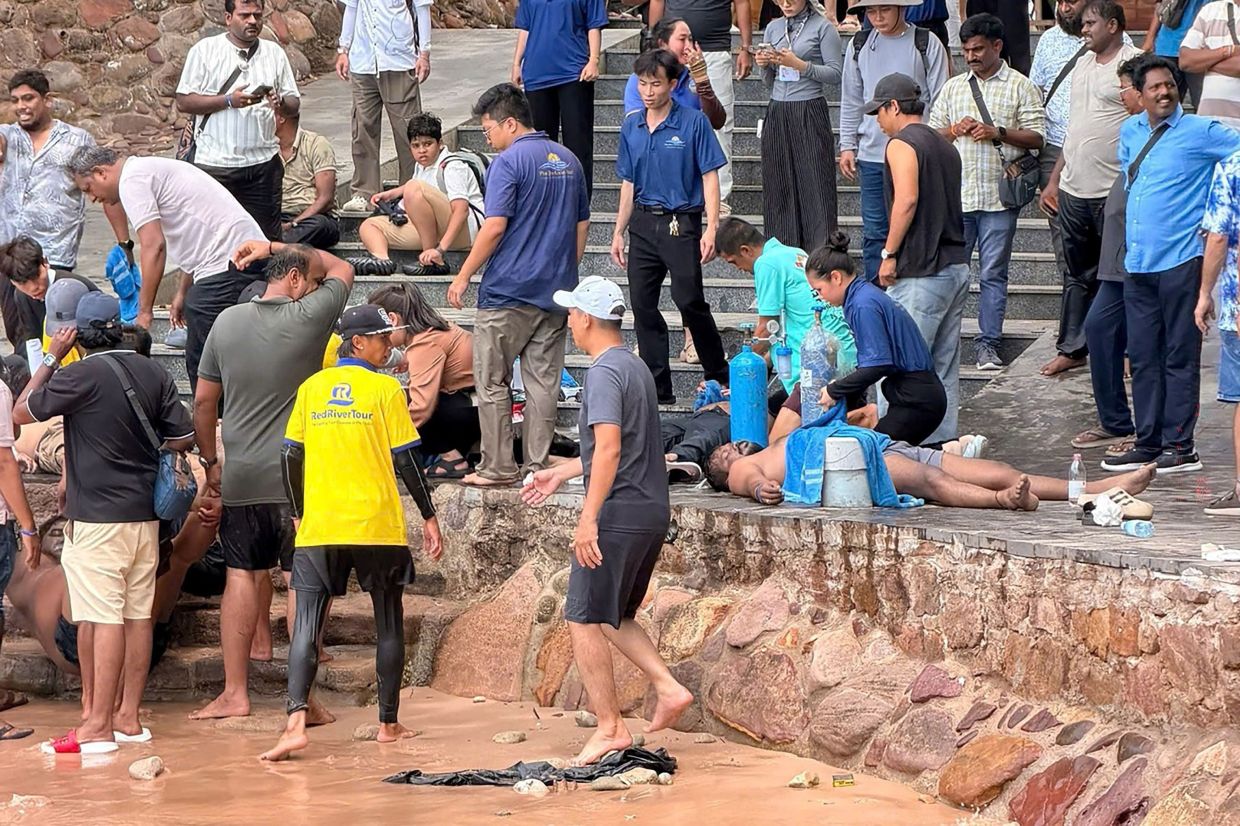
Vietnam's government has launched a high-level investigation into a tragic speedboat accident off Phu Quoc Island that claimed the lives of 15 Indian tourists, with the Prime Minister personally directing all relevant ministries and provincial authorities to examine the circumstances and prevent similar incidents. The incident has sparked an immediate and forceful official response, reflecting the gravity of the disaster and its implications for Vietnam's critical tourism sector in Southeast Asia.
The speedboat, which was transporting 32 Indian tourists alongside four crew members and guides, capsized near Hon May Rut Ngoai in the Phu Quoc Special Zone on July 11. Of those aboard, 15 Indian nationals—comprising 13 men and two women—perished in the accident, while 21 people were successfully rescued and brought to shore. The victims represented a significant loss of life in a single maritime incident, prompting immediate governmental action at the highest levels.
In his official directive, Vietnam's Prime Minister extended formal condolences to the bereaved families and prioritized the welfare of the injured survivors. He instructed all available medical personnel and pharmaceutical resources to be deployed immediately to provide comprehensive treatment for those rescued, emphasizing the need to stabilize conditions and prevent further loss of life or damage to property. This humanitarian response underscores the Vietnamese government's commitment to managing the crisis with urgency and sensitivity.
An Giang Province, which administers the Phu Quoc Special Zone where the tragedy occurred, has been assigned lead responsibility for coordinating investigations across relevant agencies and emergency forces. Provincial authorities must conduct a thorough assessment of the underlying causes of the capsizing and identify any systemic failures, operational oversights, or structural vulnerabilities that contributed to the disaster. This delegation reflects Vietnam's administrative structure, where provincial governments bear primary responsibility for accidents within their jurisdiction while receiving central government oversight and resources.
The Ministry of Public Security has been directed to undertake an urgent criminal and technical investigation into the accident. This agency must determine precisely what caused the speedboat to capsize—whether mechanical failure, human error, adverse weather conditions, overloading, or inadequate safety procedures—and hold accountable any organizations or individuals whose negligence or violation of maritime law contributed to the tragedy. Such investigations are crucial for establishing liability and informing future preventive measures across Vietnam's tourism industry.
Recognizing the incident's implications for maritime safety across the region, the Ministry of Construction has been tasked with conducting a comprehensive review and inspection of safety standards for both inland waterway and maritime traffic operations in the immediate area of the accident. Beyond this specific zone, the ministry must also examine similar tourism routes and conditions elsewhere in Vietnam to identify potential vulnerabilities and enforce compliance with established safety regulations. This broader approach reflects international best practices in accident prevention, which seek to address systemic weaknesses rather than isolated failures.
The role assigned to the Ministry of Foreign Affairs reflects the delicate diplomatic dimensions of the crisis. Working in close coordination with the Indian Embassy in Vietnam, this ministry must manage consular affairs, provide protection and support for Indian nationals affected by the tragedy, and facilitate communication between Vietnamese authorities and Indian government representatives. Such diplomatic coordination is essential not only for honoring the victims and supporting grieving families but also for maintaining the bilateral relationship between the two nations and protecting Vietnam's reputation as a tourist destination.
The Indian Embassy responded swiftly to the tragedy by releasing an official roster of all 32 citizens who had been aboard the speedboat, clarifying that the passenger list comprised 30 men and two women. Beyond this administrative function, the embassy established two dedicated contact points—one in Ho Chi Minh City and another in Hanoi—to provide immediate assistance to affected Indian nationals and their families. This rapid mobilization of consular resources demonstrates India's commitment to supporting its citizens in distress and coordinating with Vietnamese authorities.
For Malaysia and the broader Southeast Asian region, this incident carries significant implications for tourism safety standards. As Southeast Asia continues to develop its tourism infrastructure and attract millions of international visitors annually, maritime and water-based recreational activities represent a growing segment of the industry. The Phu Quoc tragedy serves as a sobering reminder that rapid tourism expansion must be accompanied by equally rigorous safety oversight, equipment maintenance, staff training, and enforcement of international maritime standards. Nations across the region, including Malaysia with its own bustling island tourism sectors, must ensure that economic benefits from tourism do not come at the cost of visitor safety.
The incident also highlights the vulnerability of tour operators and the importance of regulatory frameworks governing their operations. Many Southeast Asian tourism businesses, particularly smaller operators offering adventure activities, face pressure to maximize profits and minimize costs. Without strong government oversight and enforcement, this creates dangerous incentives to operate aging equipment, employ inadequately trained staff, exceed safe capacity limits, or cut corners on safety procedures. Vietnam's comprehensive government response to this tragedy suggests an awareness that tourism safety requires constant vigilance and robust regulatory mechanisms.
Furthermore, the coordination required between multiple Vietnamese ministries—ranging from Public Security to Construction to Foreign Affairs—underscores the complexity of responding effectively to disasters in the tourism sector. Maritime accidents involve technical, legal, diplomatic, and humanitarian dimensions that demand integrated government action. For Malaysia and other Southeast Asian nations with significant tourism economies, this Vietnamese response offers a model for how government agencies should align their efforts when tragic incidents occur, ensuring accountability while maintaining the trust of both domestic stakeholders and international visitors.
As Vietnam investigates the causes of the Phu Quoc capsizing and implements corrective measures, the findings and subsequent policy changes will likely influence safety standards across the region's tourism industry. Whether the accident resulted from mechanical failure, inadequate vessel maintenance, operator error, insufficient safety training, or systemic regulatory gaps will determine the nature and scope of remedial actions. Regardless of the specific cause, the tragedy underscores that tourism development and public safety are inseparable concerns requiring sustained political commitment and institutional capability.

