Vietnam has enacted a sweeping new civil aviation regulation that places substantial obligations on carriers to protect passenger interests when flights are delayed, cancelled or significantly rescheduled. Decree No. 208, issued this week by the government, takes effect from the start of next month and establishes a comprehensive framework governing airline compensation and passenger assistance that represents a significant shift towards consumer protection in Southeast Asia's aviation sector.
The decree defines flight delays with precision, establishing a 15-minute threshold as the trigger point for compensation entitlements. Any departure occurring more than 15 minutes after the scheduled time qualifies as a delay, while delays of four hours or longer are classified as "long delays" requiring heightened airline obligations. This tiered approach allows for proportionate responses to different delay scenarios whilst maintaining clear standards that passengers and airlines can easily understand and apply.
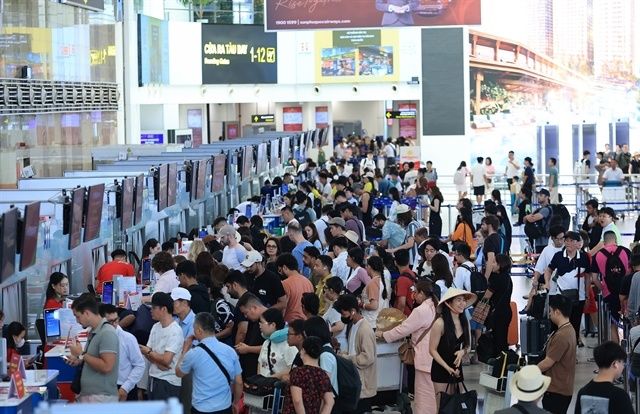
Airlines operating in Vietnam must now immediately inform passengers when delays become apparent, including a formal apology and explanation for the disruption. The regulation requires carriers to communicate revised departure estimates to airport operators and terminal service providers, ensuring that updated information appears on airport flight information displays at least every half-hour. This transparency mechanism aims to keep passengers informed throughout the delay period and reduce confusion at airports.
When delays extend beyond two hours, carriers become obligated to provide drinking water or issue vouchers of equivalent monetary value to affected passengers. For longer delays occurring during evening and night hours—specifically between 10pm and 7am—airlines must arrange appropriate sleeping or rest accommodation suited to local conditions, or offer alternative solutions acceptable to passengers. Daytime delays between 7am and 10pm require provision of suitable rest facilities according to airport capacity and circumstances.
The decree grants passengers significant rights to modify their travel arrangements without penalty when airlines cause delays. Carriers must rebook departures or reroute passengers to final destinations upon request, waiving any standard restrictions on itinerary changes, rebooking limitations, or applicable surcharges when the airline bears responsibility for the delay. This provision effectively prevents carriers from profiting through rigid booking conditions during operational disruptions they create.
Schedule changes—alterations to planned departure times announced by carriers—trigger passenger rights once they exceed five hours earlier or delay beyond the original slot. When schedule variations reach these thresholds, airlines must notify passengers and offer ticket refunds on demand, rebook passengers on suitable alternative itineraries, adjust departure times appropriately, or arrange flights within 72 hours at passenger preference. Minor adjustments of no more than four hours earlier or 15 minutes later allow carriers to apply their standard operational policies without triggering these enhanced protections.
Cancelled flights receive explicit definition under the decree as services not operated under a marketed flight number for which at least one passenger held a confirmed seat and valid ticket. Upon cancellation or refusal to carry passengers, airlines must immediately notify affected travellers, apologize, and explain the reason for the decision. When cancellation stems from airline fault rather than extraordinary circumstances, carriers face mandatory obligations to either rebook passengers on suitable alternative services, refund full fares, or refund unused ticket portions while waiving standard rebooking restrictions and surcharges.
The Minister of Construction will subsequently prescribe additional implementation details, including specific non-refundable advance compensation amounts, payment methods and deadlines for advance compensation, and carrier obligations regarding information publication and reporting requirements for delays, cancellations, and boarding denials. This phased regulatory approach allows authorities to calibrate compensation levels based on industry consultation and implementation feasibility whilst establishing core passenger protections immediately.
For Malaysia and other Southeast Asian nations, Vietnam's decree represents an important regional development that may influence aviation regulations across the bloc. As a major aviation market with growing international traffic, Vietnam's embrace of passenger-centric protections establishes benchmarks that competitors and trading partners may need to match to remain attractive to consumers. The regulation's clarity and specificity offer a model that balances airline operational flexibility with genuine passenger safeguards, moving beyond abstract commitments to concrete, enforceable obligations.
The timing of this decree reflects broader global trends towards strengthening passenger rights following years of escalating airline disruptions linked to crew shortages, weather disruptions, and technical issues that have frustrated travellers across Asia-Pacific. By establishing clear delay thresholds, transparent communication requirements, and tangible compensation mechanisms, Vietnam signals commitment to modernizing its aviation consumer protection framework in alignment with standards observed in more mature aviation markets.
Airlines operating domestic and international services from Vietnamese airports will need to revise operational procedures, staff training, compensation systems, and communication protocols to ensure compliance from next month. The decree's requirements for real-time airport display updates and prompt passenger notification will necessitate investment in airport coordination systems and customer service infrastructure, particularly among carriers managing high-volume routes where delay incidence exceeds regulatory thresholds regularly.