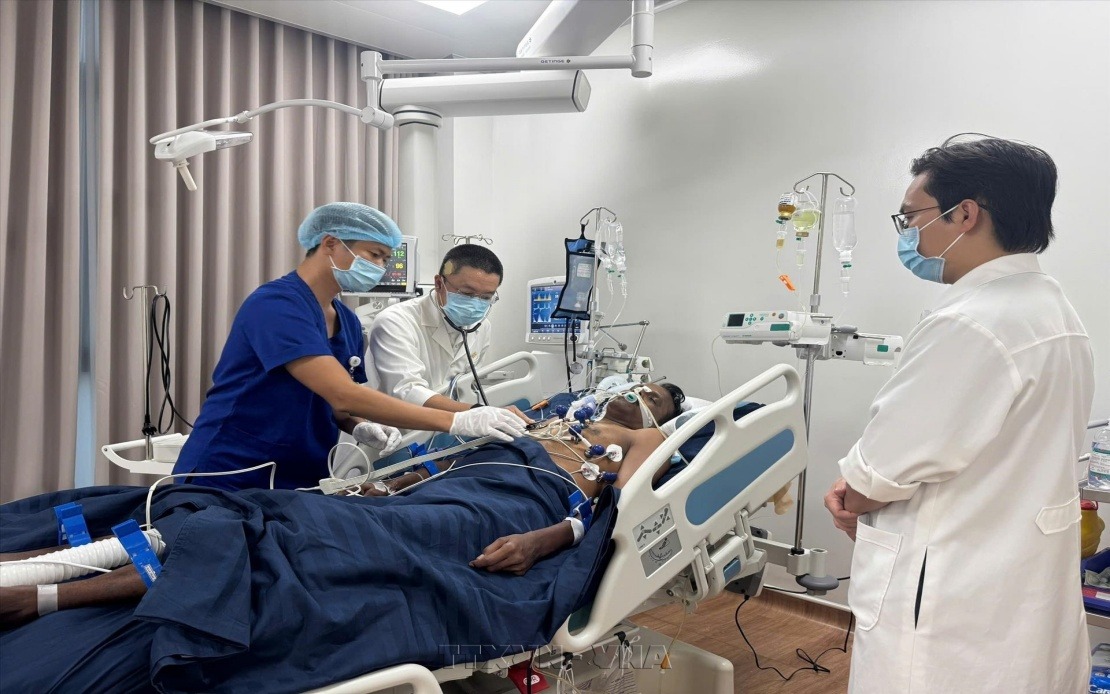
A tragic speedboat collision in the Phu Quoc Special Zone has prompted a swift and coordinated emergency response from Vietnamese authorities, medical facilities, and administrative bodies across the Mekong Delta province of An Giang. The incident, which occurred on July 11, involved a vessel carrying Indian passengers, with authorities immediately activating comprehensive rescue and medical protocols to address the immediate crisis and provide ongoing support to those affected.
Upon receiving notification of the accident, Sun Group International Hospital initiated a hospital-wide emergency response system, recognising the severity of the situation and the need for rapid medical intervention. The facility dispatched multiple ambulances and specialised trauma teams to the accident scene, while simultaneously preparing its entire medical workforce to receive and treat incoming casualties. This dual approach of on-site emergency assistance and hospital-based preparedness reflects modern disaster response protocols increasingly adopted across Southeast Asian medical centres.
The initial focus centred on stabilising the most critically injured passengers. Medical teams at Sun Group International Hospital undertook nearly two hours of intensive resuscitation efforts on two severely injured victims, successfully preventing deterioration and enabling their transfer to the facility's intensive care unit. Both patients subsequently regained consciousness and maintained stable vital signs, representing a crucial turning point in their recovery trajectories during the critical early hours following the accident.
By the evening of July 11, the hospital had received 15 additional victims in conscious condition, allowing medical staff to conduct comprehensive trauma screening and diagnostic assessments. This staged approach to victim intake enabled the hospital to allocate resources efficiently while systematising the triage process. The volume of casualties underscores the significant scale of the incident and the logistical demands placed on Vietnamese healthcare infrastructure in responding to mass casualty events.
Among those hospitalised, two patients presented with severe respiratory complications requiring extended intensive care management. Dr. Nguyen Quang Thang, Director of Sun Group International Hospital, detailed the clinical outcomes: one respiratory patient showed improvement and approached discharge readiness, whilst another remained hospitalised due to pre-existing medical conditions complicating their recovery. Recognition of underlying health factors demonstrates the complexity inherent in managing mass casualty incidents where victims possess varied medical histories. The hospital established coordination with Cho Ray Hospital in Ho Chi Minh City to ensure access to specialised intensive care capabilities, facilitating consultative support for the most serious cases.
Beyond immediate medical intervention, Vietnamese authorities moved rapidly to establish financial support mechanisms for affected families and injured passengers. The vessel operator agreed to provide immediate compensation of 1,000 USD to families of deceased victims and 500 USD to each injured passenger, offering rapid relief during an emotionally devastating period. Complementing this private sector response, the Phu Quoc Special Zone administration committed 26 million Vietnamese Dong, approximately 1,000 USD, for each fatality, demonstrating government-level commitment to supporting bereaved families.
Tran Minh Khoa, Chairman of the People's Committee of the Phu Quoc Special Zone, emphasised that authorities remained focused on delivering comprehensive support to all affected individuals whilst managing the administrative aftermath of the tragedy. This commitment reflected both humanitarian considerations and diplomatic sensitivities, given the involvement of Indian nationals in a foreign jurisdiction. The coordination between medical facilities, local administration, and diplomatic channels illustrated the multi-layered approach required when major incidents involve international dimensions.
Authorities have prioritised expediting investigations and civil registration procedures whilst navigating the complex legal requirements governing fatalities and repatriation across national borders. Vietnamese officials worked simultaneously to facilitate prompt repatriation of victims' remains, recognising the importance of returning bodies to families as rapidly as possible whilst maintaining compliance with legal protocols. Such coordination requires cooperation between maritime safety authorities, law enforcement agencies, and consular representatives, underscoring the interconnected nature of disaster response in an increasingly interconnected region.
For Malaysian readers and wider Southeast Asian observers, the Phu Quoc incident highlights broader questions about passenger safety standards in maritime tourism across the region. The Mekong Delta has developed rapidly as a tourism destination, with speedboat operations proliferating to meet demand from both domestic and international visitors. Ensuring consistent safety protocols, vessel maintenance standards, and crew training becomes increasingly critical as tourism volumes expand. Vietnam's response demonstrates commitment to accountability, but industry-wide standards harmonisation across ASEAN could strengthen passenger protection across the region's bustling waterways and coastal zones.

