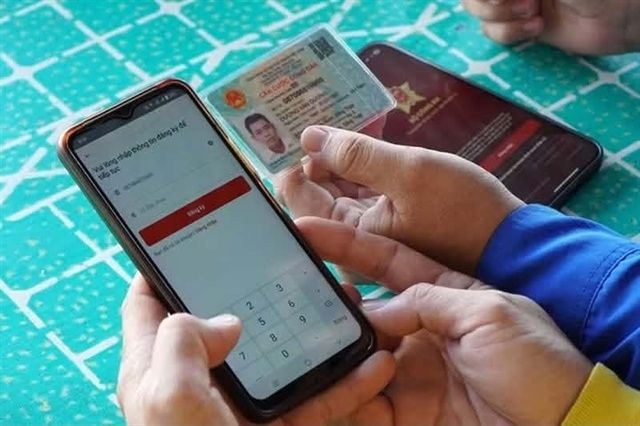
Vietnam has taken a significant step toward modernizing its identity infrastructure by extending electronic identification privileges to foreign nationals, according to a newly issued government decree announced by the Vietnam News Agency. The measure represents a notable shift in how Hanoi manages identity verification for non-citizens, allowing any foreigner with lawful entry or residence status to request an electronic identification account at various security levels. This development carries important implications for Southeast Asia's digital governance landscape, particularly as the region grapples with balancing national security concerns against the practical needs of increasing numbers of expatriates, investors, and migrant workers.
The decree fundamentally reshapes Vietnam's approach to digital identity by removing previous barriers that effectively prevented foreign nationals from accessing the electronic identification system. Previously, the absence of such provisions meant that non-citizens faced cumbersome workarounds when conducting transactions requiring digital verification or engaging with government services. Now, with access to multiple account tiers, foreigners can integrate themselves more seamlessly into Vietnam's digital economy and administrative processes. This change appears designed to facilitate smoother interactions between foreign investors, business professionals, and government agencies—a crucial consideration given Vietnam's expanding role as a regional economic hub.
The legislative framework distinguishes between different categories of electronic identification accounts based on user type and security requirements. Vietnamese citizens aged six and above who possess valid citizen identity cards or identity documents may request either Level 1 or Level 2 accounts, reflecting varying degrees of access and authentication security. Children under six with identity cards are restricted to Level 1 accounts, which aligns with established practices in many developed nations regarding digital access for minors. The inclusion of foreign nationals in this tiered system suggests Vietnam is implementing internationally recognized standards for electronic identification governance.
A particularly progressive element of the decree concerns its provisions on document integration, which streamline bureaucratic processes by eliminating redundant submission requirements. The new regulation amends existing clauses to clarify that individuals and organizations need not repeatedly submit documents already consolidated within government databases. This "do not ask twice" principle represents international best practice in digital administration and reflects growing recognition that duplicate documentation collection imposes unnecessary administrative burden on both citizens and public agencies. Such efficiency measures are especially valuable in Southeast Asia, where many countries struggle with outdated record-keeping systems.
The government has compiled an expansive list of documents eligible for integration into the national identification application, signaling Vietnam's ambition to create a truly comprehensive digital identity ecosystem. For individuals, the approved documentation includes 66 categories spanning birth certificates, residence information certificates, ordinary passports, visas, vehicle registration certificates, and professional licenses in driving and investment sectors. This breadth demonstrates that Vietnamese authorities are thinking beyond simple identity verification toward creating a unified platform for managing multiple aspects of citizens' legal status and entitlements.
Businesses and institutional actors receive equally comprehensive treatment under the decree's provisions. The government has approved 140 different document types for agencies and organizations, including certificates of seal specimen registration, identification name certificates, business licenses, and export-import credentials. The emphasis on business documentation reflects Vietnam's economic priorities and suggests the decree is partially motivated by desires to reduce friction in commercial transactions and regulatory compliance. Foreign companies operating in Vietnam should particularly benefit from streamlined access to their organizational documentation through the national platform.
For Malaysian readers, this Vietnamese initiative offers instructive lessons as Southeast Asian governments navigate the digital identity frontier. Vietnam's approach—creating inclusive access while maintaining security differentiation through tiered account levels—provides a model that balances openness with prudent security management. As Malaysia continues developing its own digital infrastructure initiatives, the Vietnamese experience demonstrates how inclusive electronic identification systems can support both domestic governance efficiency and regional competitiveness for talent and investment.
The implementation timeline reflects careful planning, with the decree set to take effect on September 28, 2026. This extended lead time allows government agencies, service providers, and citizens time to prepare systems and understand new procedures. Vietnam's major commercial and government institutions have over a year to integrate the expanded identification capabilities into their platforms. For foreign nationals currently in Vietnam or planning entry, this represents a concrete benefit that will materialize within a defined timeframe.
The decree's emphasis on document integration points toward Vietnam's broader digital governance philosophy: creating interoperable systems that reduce citizen friction while improving government efficiency. Rather than requiring individuals to carry multiple physical documents or maintain separate digital credentials across different agencies, the national identification app becomes a single authoritative source for essential documentation. This consolidation approach differs from some Southeast Asian neighbors who maintain more fragmented digital identification infrastructures.
For the Southeast Asian region more broadly, Vietnam's expansion of electronic identification access to foreign nationals signals confidence in digital security systems and recognition that inclusive identification infrastructure supports economic growth. Thailand, Indonesia, and the Philippines—all countries with significant expatriate populations—may observe Vietnam's implementation outcomes with interest. The decree suggests that modern governance need not choose between security and accessibility; properly designed tiered systems can serve both simultaneously.
The integration of 66 individual and 140 organizational document types represents remarkable system ambition, though implementation challenges inevitably lie ahead. Data standardization across different issuing agencies, ensuring accurate record transfers, and maintaining cybersecurity across such a vast database present technical hurdles that Vietnamese authorities must navigate carefully. How successfully the government executes this ambitious consolidation will likely influence other Southeast Asian nations' confidence in pursuing similar comprehensive integration projects.

