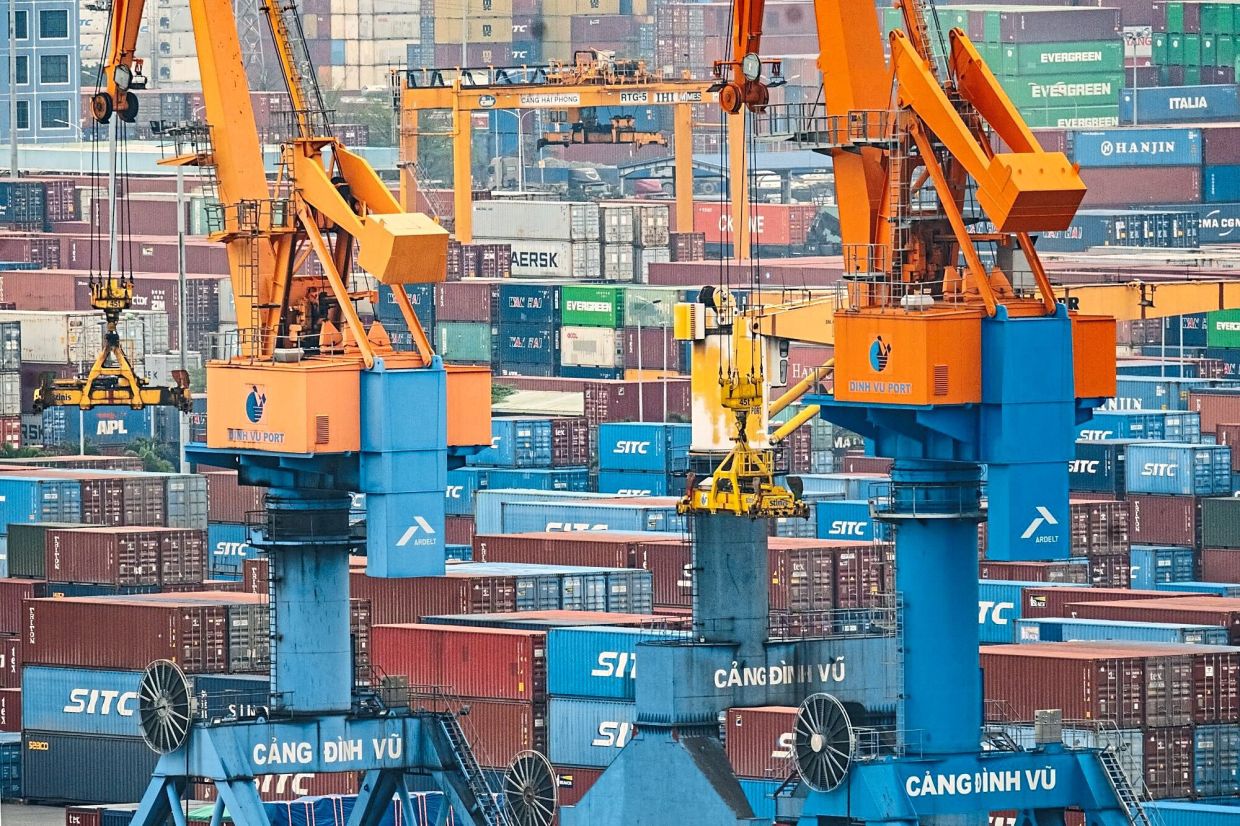
Vietnam is positioning itself for a renewed push to resolve longstanding trade tensions with the United States, with Deputy Prime Minister Nguyen Van Thang meeting US Trade Representative Jamieson Greer to emphasise Hanoi's commitment to constructive dialogue. The high-level engagement represents an attempt to break a months-long deadlock in negotiations aimed at finalising a reciprocal trade agreement between the two countries, following an initial framework accord reached in October last year.
Thang's visit to Washington carried significant symbolism, underscoring Vietnam's determination to maintain and deepen commercial ties with its largest developed-economy trading partner. Beyond formal diplomatic channels, the Deputy Prime Minister used the opportunity to court major American technology and industrial firms, meeting with representatives from Qualcomm Inc., Visa Inc., Axon Enterprise Inc. and Caterpillar Inc. to encourage further investment flows into Vietnam's economy. This dual-track approach reflects Hanoi's calculation that securing both a favourable trade settlement and sustained foreign direct investment is essential to maintaining its growth trajectory.
The trade friction between Washington and Hanoi stems from multiple interconnected issues that have proven difficult to resolve. A critical flashpoint involves the transshipment of goods—particularly merchandise originating from China—that flows through Vietnamese ports and factories before reaching American consumers. US officials believe Vietnam has not implemented sufficiently robust controls to prevent what they characterise as the illicit rerouting of Chinese products into American markets, effectively circumventing existing tariff arrangements. Additionally, American trade authorities have raised concerns about non-tariff barriers that they argue impede market access for US companies seeking to operate within Vietnam.
The intellectual property dimension adds another layer of complexity to these negotiations. In April, the office of Trade Representative Greer designated Vietnam a "priority foreign country" following findings that the nation had inadequately addressed online piracy and counterfeit goods trafficking. The report also cited insufficient border controls as a contributing factor. These determinations are not merely administrative categorisations; they carry material consequences. The US government initiated three separate Section 301 investigations into Vietnam's trade practices, with findings due in November that could trigger substantially higher tariff impositions on Vietnamese exports to the United States.
For Vietnam, the stakes in these negotiations are considerable. The nation posted a trade surplus with the United States reaching US$114 billion in the first half of 2026, the largest bilateral gap Washington maintains with any country—surpassing even China, Mexico, and Taiwan. This commanding position in US import markets reflects Vietnam's emergence as a critical manufacturing hub for goods consumed by American households, particularly in electronics and consumer products. Simultaneously, Vietnam's dependence on US markets creates vulnerability to retaliatory tariffs that could severely disrupt its export-oriented economy.
Interestingly, Vietnam's own trade dynamics reveal the complexity of the transshipment problem. Imports from China into Vietnam have accelerated sharply as manufacturers in Southeast Asia ramp up production for re-export to third markets, including the United States. This pattern suggests that Vietnam has become embedded in regional and global supply chains in ways that make distinguishing between legitimate manufacturing operations and improper goods routing genuinely challenging. The surge in Chinese imports into Vietnam reflects the country's role as an assembly and processing hub, yet it simultaneously fuels American suspicions about product origins and compliance with existing trade rules.
Thang's messaging during his Washington visit indicated that Hanoi is willing to address at least some American grievances. According to Vietnam's government statement on the meeting, the Deputy Prime Minister signalled readiness to tackle what Washington perceives as inadequate enforcement of intellectual property protections and insufficient vigilance regarding transshipment controls. This willingness to negotiate suggests Hanoi recognises the genuine risks posed by November's Section 301 findings and wishes to establish goodwill before those determinations become public.
For Greer and the Trump administration, concluding negotiations expeditiously appears to be a priority. The US trade representative communicated to Thang that Washington seeks to finalise the reciprocal trade agreement in the near term. This timeline suggests the administration may be willing to engage constructively if Vietnam demonstrates concrete commitment to addressing American concerns. However, the fact that three simultaneous investigations remain pending indicates that trust between the two sides remains incomplete and that any agreement must be comprehensive enough to prevent future grievances from festering.
The outcome of these negotiations carries implications well beyond bilateral US-Vietnam relations. Southeast Asia as a region has become increasingly central to global supply chains and to strategic competition between major powers. Vietnam's resolution of trade disputes with the United States will influence how other regional nations calibrate their own approaches to managing relationships with Washington. Additionally, the manner in which the US addresses transshipment and intellectual property concerns will establish precedents for how American trade policy addresses supply chain integrity across the region.
For Malaysian observers, Vietnam's situation offers instructive parallels. Malaysia itself occupies a significant position in regional manufacturing and trade networks, and many of the structural issues complicating US-Vietnam relations—transshipment risks, intellectual property challenges, and concerns about third-country sourcing—apply with varying intensity to Malaysian operations as well. How Vietnam navigates these diplomatic and commercial pressures may foreshadow approaches that could eventually affect Malaysia's own trade relationships with the United States.
The Deputy Prime Minister's investment recruitment efforts during his Washington visit also merit attention. By actively courting major American corporations, Hanoi is attempting to secure deeper economic ties that would make American policymakers reluctant to impose severe trade restrictions. This strategy of increasing mutual commercial interdependence—the idea that higher levels of US corporate presence in Vietnam creates constituencies in America opposed to trade hostilities—represents a time-tested diplomatic tool. Whether such investor engagement can meaningfully shift the calculus in trade negotiations remains uncertain, but it reflects Hanoi's sophisticated understanding of American political economy.

