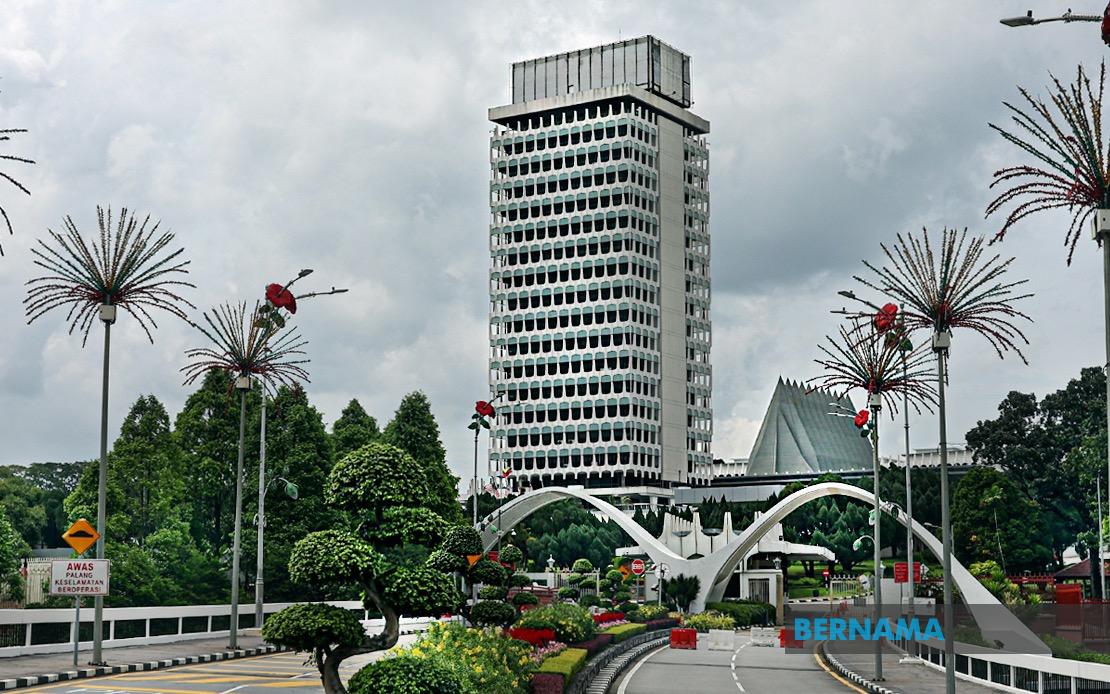
Malaysia's Parliament convenes today for a 16-day sitting that will grapple with several pressing domestic challenges, from the ripple effects of Middle Eastern instability on the tourism industry to mounting security concerns in border regions and the persistent affordability crisis in housing. The agenda reflects growing anxieties among lawmakers about external geopolitical shocks and their bearing on economic performance, alongside longstanding structural issues that continue to frustrate younger Malaysians seeking to own homes.
Tourism remains a critical pillar of Malaysia's economy, and members of Parliament are increasingly worried about how regional turbulence translates into reduced visitor numbers. Dr Ahmad Fakhruddin Fakhrurazi, representing Kuala Kedah under the Perikatan Nasional banner, will press the Tourism, Arts and Culture Minister for concrete data on how the ongoing West Asian conflict has suppressed foreign tourist arrivals, particularly from the Middle East, Europe and West Asia itself. These regions are traditionally significant sources of high-spending tourists and their hesitation to travel during periods of regional instability directly threatens Malaysia's recovery momentum in the post-pandemic period. The minister will also be asked to articulate what strategic initiatives the Government has deployed to shore up tourist confidence and sustain the sector's growth trajectory, signalling Parliament's determination to move beyond passive observation of market conditions toward proactive intervention.
Beyond tourism economics, the sitting will address sharp security vulnerabilities that have become more acute in Malaysia's maritime and border zones. Datuk Mohd Suhaimi Abdullah, a Perikatan Nasional member from Langkawi, will interrogate the Home Minister about the operational readiness of security personnel and assets stationed in Langkawi to counter migrant smuggling networks and the illicit movement of controlled goods. Given Langkawi's strategic proximity to the Malaysia-Thailand maritime border, the island has become an unwanted transit point for human trafficking and contraband operations. The questioning reflects frustration that existing security infrastructure may be inadequate to the scale of the challenge. Notably, Suhaimi will also probe whether the Home Ministry plans to deploy Unmanned Aerial Vehicles (UAVs) or drones for enhanced maritime surveillance, a technology that could substantially upgrade enforcement capabilities in remote and difficult-to-patrol waters.
Environmental and wildlife protection concerns will also feature prominently in today's debates. Manndzri Nasib, a Barisan Nasional representative from Tenggara, will ask the Natural Resources and Environmental Sustainability Minister to evaluate whether recent increases in Ecological Fiscal Transfer funding and PERHILITAN-led community initiatives have meaningfully reduced the frequency and severity of human-elephant conflicts across Malaysia. These encounters, which pit conservation imperatives against the safety of rural communities living adjacent to wildlife corridors, represent a persistent flashpoint requiring innovative solutions. Manndzri will further seek clarity on how the Ministry intends to scale up the Electric Fencing for Elephants (SPEG) initiative, a protective barrier system designed to minimize confrontations and safeguard local residents from dangerous wildlife incidents without resorting to culling.
The housing crisis facing Malaysia's youth will occupy another significant strand of parliamentary inquiry. Datuk Willie anak Mongin, a GPS member from Puncak Borneo, will demand detailed statistics on unsold affordable housing units disaggregated by state and price band, as well as actual home ownership rates among Malaysians aged under 35 broken down by state and Parliamentary constituency. These granular figures will illuminate whether Government affordable housing programmes are genuinely reaching their intended beneficiaries or whether properties remain vacant or inaccessible to young workers and families. The pressure to deliver on housing affordability has intensified as younger Malaysians face a combination of stagnant wages, elevated property prices and stringent mortgage lending criteria, effectively pricing them out of the ownership market.
Parallel to these constituency-driven questions, Parliament will advance two substantive legislative measures: the Sexual Offences against Children (Amendment) Bill 2026 and the Employment Insurance System (Amendment) Bill 2025 will proceed to their second reading. The child protection bill signals renewed parliamentary focus on safeguarding Malaysia's most vulnerable citizens, while the employment insurance amendment reflects ongoing refinement of the social safety net for workers. Both warrant close examination as they work through the legislative pipeline.
The 16-day sitting, concluding on July 16, comes at a moment of considerable economic and security uncertainty. The West Asian situation, far from being merely a distant concern, exerts tangible effects on Malaysia's tourism revenues, consumer confidence and broader macroeconomic outlook. Similarly, transnational challenges including migrant smuggling and wildlife conflict cannot be tackled through national policy alone, yet Parliament's responsibility is to ensure that available tools and budgets are deployed with maximum effectiveness. The housing affordability question, by contrast, remains fundamentally domestic: it reflects policy choices regarding land zoning, construction incentives, developer practices and financing mechanisms, all within Parliament's legislative remit. Today's sitting underscores that effective governance requires Parliament to juggle global shocks, regional security dynamics and entrenched domestic dilemmas simultaneously, whilst maintaining public accountability and pushing for measurable improvements in citizens' lives and safety.

