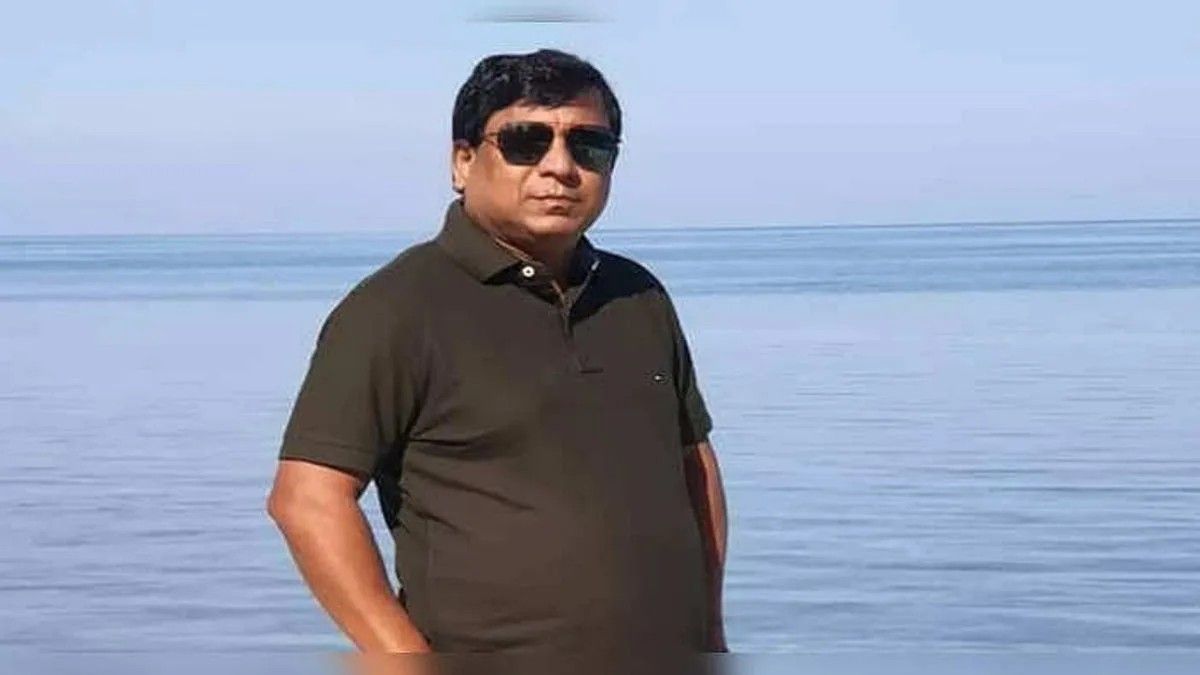
Birbhum Police in West Bengal have launched an extensive operation to apprehend businessman Mohammad Nazibullah, known as Tulu Mondal, who is suspected of orchestrating a complex smuggling and money-laundering network across the region. The manhunt commenced following coordinated raids on multiple properties, with law enforcement officials believing Mondal has fled the country ahead of recent electoral developments. The scale of the investigation underscores deepening concerns about the nexus between business interests and political patronage in eastern India, a phenomenon that carries implications for how financial crimes are investigated across South Asia.
Mondal is widely believed to maintain close ties with the Trinamool Congress party, which governs West Bengal. Police suspect that he fled India with his immediate family—including his wife, daughter, son-in-law—and local TMC leader Abdul Barik Biswas just before Assembly election results were announced. The timing of the alleged flight raises questions about whether Mondal anticipated regulatory action following electoral shifts. Biswas himself carries a criminal history linked to precious metals trafficking, having been arrested by customs authorities in 2014 for gold smuggling. The Enforcement Directorate subsequently attached his properties valued at Rs20 crore in May 2015, establishing a pattern of enforcement action against individuals within this network.
Investigations have revealed that Biswas financed his smuggling operations through proceeds generated by cross-border cattle trafficking between Bangladesh and India. This dual-smuggling arrangement—combining both precious metals and livestock—demonstrates the operational sophistication of organised crime networks that exploit porous borders and regulatory gaps in the region. Biswas operated in close collaboration with Enamul Haque, identified as the alleged kingpin of a transnational cattle-smuggling enterprise. Haque himself faced arrest by the Enforcement Directorate and the Central Bureau of Investigation, illustrating how these networks extend across national borders and involve multiple criminal activities running in parallel.
The intensive 15-hour search operation at Mondal's primary residence in Suri revealed the extent of his accumulated wealth and lifestyle. The sealed mansion contained sophisticated amenities—gymnasium, spa, swimming pool and entertainment facilities—characteristic of extreme luxury accumulation. Upon completion of the raid, police dismissed domestic staff and removed Mondal's pet dog from the premises before establishing permanent police pickets at all identified properties and business locations. Led by senior officials including DSP Surajit Mondal and DSP Sourav Bhattacharya, the operation recovered Rs8 lakh in cash and 150 grams of gold ornaments, alongside extensive documentation. Simultaneous raids targeted his ancestral home in Sonsthol, petrol stations, and transport facilities in Mohammad Bazar.
The scope of asset freezing demonstrates the magnitude of suspected illegal accumulation. According to Chief Minister Suvendu Adhikari, authorities have frozen Rs93 crore distributed across multiple bank accounts and seized 242 high-end vehicles from Mondal's residences, including premium automobiles recovered from a garage in Subhaspally. Law enforcement has initiated attachment proceedings against 21 immovable properties, encompassing seven residential houses, multiple farmhouses, commercial parking facilities, two petrol stations, two stone-crushing operations and approximately 300 bighas of agricultural land. This systematic asset inventory illustrates how financial investigation agencies are constructing a comprehensive picture of wealth accumulation mechanisms, potentially exposing money-laundering channels that operated with relative impunity.
Public attention intensified following Mondal's daughter's wedding earlier in the year, an event that crystallised the extraordinary disparities in wealth concentration. The celebration reportedly cost Rs150 crore, attracting prominent Bollywood and Tollywood personalities alongside high-profile political figures. International design agencies were commissioned to construct a venue modelled on the Taj Lake Palace in Udaipur, signalling a determination to replicate internationally recognised symbols of luxury. The bridegroom's arrival involved a custom chariot accompanied by security personnel costumed as ancient Greek soldiers—a theatrical production that effectively shut down Mohammad Bazar's major thoroughfares for two consecutive days. Access restrictions and specially issued security wristbands created a sealed celebration environment, effectively isolating the event from ordinary public access and underscoring the social distance created by extraordinary wealth.
According to police statements, Mondal relocated to Dubai, from where he continues managing his commercial interests across Birbhum through intermediaries. Recent investigations uncovered attempts to conceal documentation; authorities intercepted a vehicle transporting sacks of papers from a farmhouse, with the driver admitting that Mondal's manager had instructed the concealment. These papers included transportation records and bills related to sand and stone operations, suggesting efforts to obscure the paper trails underlying financial activities. This documentary concealment strategy indicates awareness of investigative vulnerability and calculated attempts to destroy evidence of systematic illicit operations.
Minar Mondal, identified as Tulu Mondal's brother-in-law, was apprehended during a separate raid in Deucha village. Police recovered more than Rs50 crore in cash and gold from his residence, with Minar subsequently admitting during custodial interrogation that the seized wealth belonged to Tulu Mondal and had accumulated through various syndicate operations. The arrest expanded the investigation's human network, revealing how family relationships facilitated wealth concealment and distribution. The eight-day police custody remand granted by the court has enabled investigators to pursue lines of inquiry into the operational mechanisms of these syndicates and identify additional individuals involved in the network.
A particularly significant discovery involved 15 kilograms of 24-carat gold bars and biscuits manufactured in Switzerland and Dubai, recovered during recent operations. The international sourcing of precious metals—combining European and Middle Eastern origins—reinforces the transnational character of these networks. The deliberate selection of gold products manufactured in offshore locations suggests sophisticated knowledge of international bullion markets and channels for transforming illicit proceeds into internationally tradeable commodities. Superintendent of Police Vidit Raj Bhundesh indicated that investigation remains ongoing, with law enforcement expecting to uncover additional asset attachments as financial forensics deepen. This continuing probe signals that authorities view the investigation as foundational to understanding broader patterns of financial crime and political patronage in the region, with potential implications extending beyond individual prosecutions to systemic vulnerabilities in financial oversight and regulatory enforcement across eastern India.

