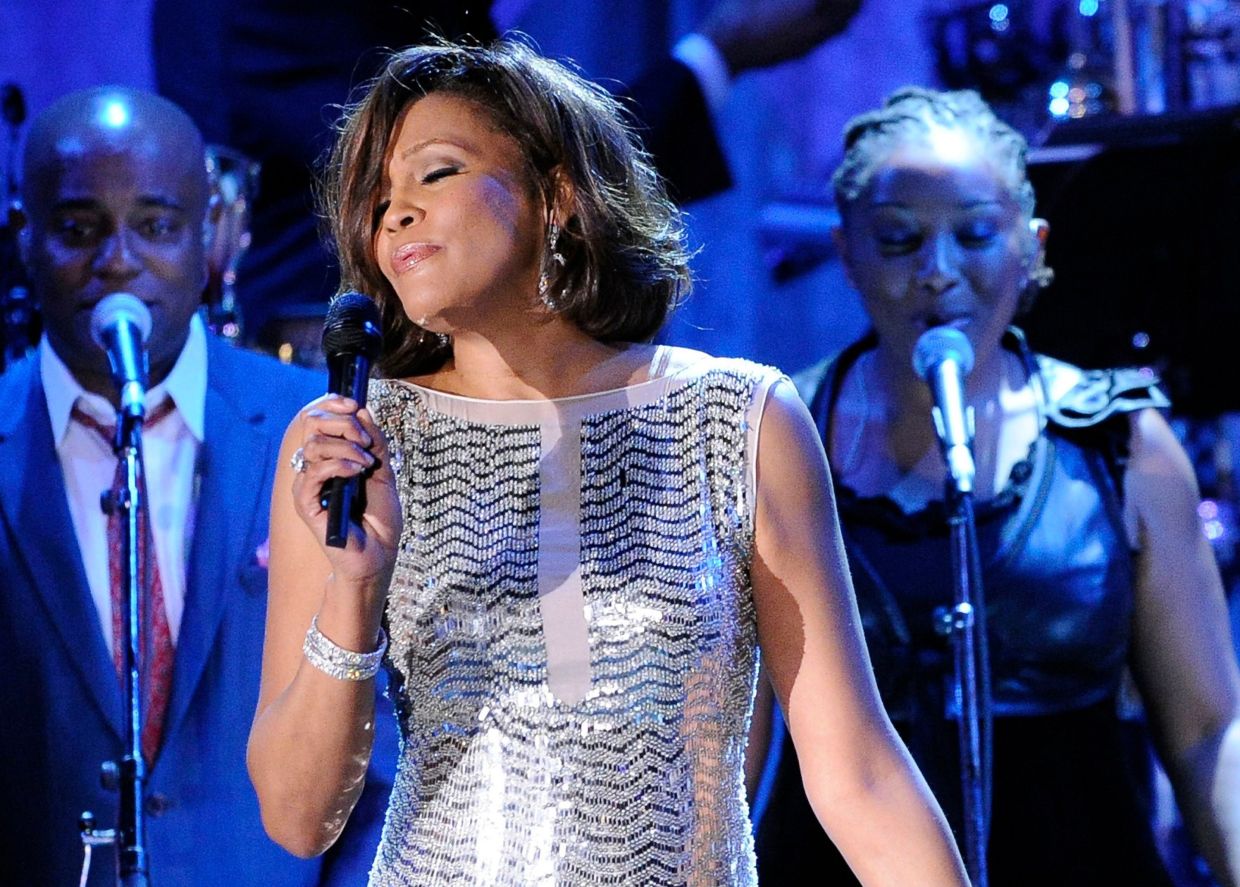
The legacy of Whitney Houston continues to resonate through fresh tributes and releases four decades after her breakthrough, as the estate of the legendary vocalist orchestrates carefully curated celebrations that honour her unmatched vocal legacy and cultural impact. This year's commemorations, centred on what would have been Houston's 63rd birthday on August 9, underline an ongoing commitment to presenting her artistry in meaningful ways that extend well beyond simple nostalgia or commercial capitalisation.
At the heart of this revival sits a newly compiled album gathering all eleven of Houston's Billboard Hot 100 number-one singles—a remarkable achievement that few artists can claim. These chart-topping tracks represent more than commercial success; they constitute a musical archive of generational significance. Each song served as a soundtrack for millions globally, marking pivotal moments in the lives of listeners across decades and continents. The compilation itself becomes a retrospective statement, curating Houston's most enduring contributions to popular music and allowing new audiences to encounter her artistry within a cohesive framework.
Pat Houston, the executor of Whitney Houston's estate and her sister-in-law, articulates a clear philosophy underpinning these tributes. She emphasises that Houston herself viewed comprehensive compilations of her number-one hits as definitive statements of her career achievements. Rather than scattered releases, this consolidated collection represents Houston's artistic vision—a carefully selected body of work that transcended chart success to touch hearts worldwide. The message is deliberate: these were not merely songs that dominated radio playlists, but cultural touchstones that demonstrated a singular vocal talent that remains unreplicated in popular music history.
Complementing the musical release is a historical milestone: the first-ever Whitney Houston Barbie doll, produced by Mattel on Houston's birthday. What distinguishes this collaboration is its deeply personal genesis. Pat Houston reveals that she and Whitney had discussed a Barbie partnership more than two decades ago, a conversation that eventually bore fruit decades later. This extended timeline speaks to a careful, intentional approach rather than opportunistic merchandising. The realisation of this long-held vision carries emotional weight—it demonstrates that certain dreams, when rooted in genuine purpose and love, possess the capacity to transcend generational boundaries.
The Mattel collaboration also illustrates broader principles guiding the estate's stewardship of Houston's legacy. Pat Houston describes the production process as a hands-on partnership, emphasising Mattel's commitment to authentic celebration of Houston's artistic contributions. This level of involvement ensures that commercial products genuinely honour the subject rather than merely exploiting commercial appeal. For Malaysian audiences accustomed to regional artists' legacies being commercialised without similar care, this model offers an alternative approach—one prioritising artistic integrity alongside commercial viability.
Central to Houston's professional trajectory was her relationship with legendary music executive Clive Davis, a figure whose influence on her career extended far beyond typical industry mentorship. Pat Houston acknowledges that Davis's role transcended business; the two shared genuine affection and mutual respect that shaped not only Houston's musical output but her entire professional foundation. Davis himself consistently credited Houston when discussing his career achievements, recognising her as an essential component of his legacy. This mutual esteem between artist and mentor represents an instructive model for industry relationships, particularly in Southeast Asian music sectors where artist development often follows more transactional patterns.
When asked about potential biographical film projects—an obvious question given recent successful music biopics—Pat Houston adopts a measured stance that reveals the estate's governing philosophy. Rather than rushing toward high-profile projects, she emphasises the importance of intentionality and avoiding oversaturation of the market. This restraint contrasts sharply with contemporary entertainment culture's tendency toward endless content production. The implicit message is clear: honouring Houston requires purpose-driven projects, not merely capitalising on current biographical film trends. Every release, whether musical, visual, or commercial, must serve genuine artistic ends.
Part Houston hints at multiple initiatives currently under development, though specifics remain confidential until formal announcements. She characterises these as diverse undertakings extending beyond conventional film or television projects. The vagueness itself conveys confidence about the pipeline of tribute material—suggesting the estate possesses considerable unreleased content and underdeveloped concepts awaiting proper realisation. For international audiences, this signals that Houston's complete legacy remains incompletely explored, with substantial archival material potentially forthcoming.
Among Pat Houston's stated aspirations is the production and presentation of live performances never previously broadcast in North America, despite circulating globally. This geographic dimension reveals how Houston's career spanned international markets with varying media exposure. Unearthing and contextualising performances from regions outside the primary American market could provide fresh perspectives on her artistry and demonstrate her global reach even during her lifetime. For Southeast Asian music fans, such projects underscore how Western-centric narratives sometimes obscure artists' more complete international impact.
The estate's caution against oversaturation reflects sophisticated stewardship principles that prioritise long-term legacy preservation over short-term commercial extraction. By controlling release timing and maintaining quality standards, Pat Houston ensures that future projects maintain genuine cultural significance rather than becoming fatigue-inducing repetition. This approach also protects Houston's artistic credibility, preventing the dilution that sometimes accompanies aggressive posthumous monetisation strategies. The strategy acknowledges that iconic legacies require patience and strategic timing—lessons particularly relevant as Southeast Asian music industries increasingly develop their own posthumous tribute frameworks for beloved regional artists.
Ultimately, the current celebrations surrounding Whitney Houston's birthday demonstrate that meaningful artistic legacy transcends commercial cycles. Whether through carefully curated compilations, licensed merchandise partnerships, or carefully planned future projects, Pat Houston champions an approach prioritising authentic celebration over exploitation. The Barbie doll and the number-one hits compilation represent just initial phases in what appears to be a thoughtfully orchestrated, long-term strategy for maintaining Houston's relevance across generations. As music industries globally grapple with balancing commercial opportunity against artistic respect, Houston's estate offers a model emphasising both can coexist—provided purpose and genuine reverence guide the enterprise.

