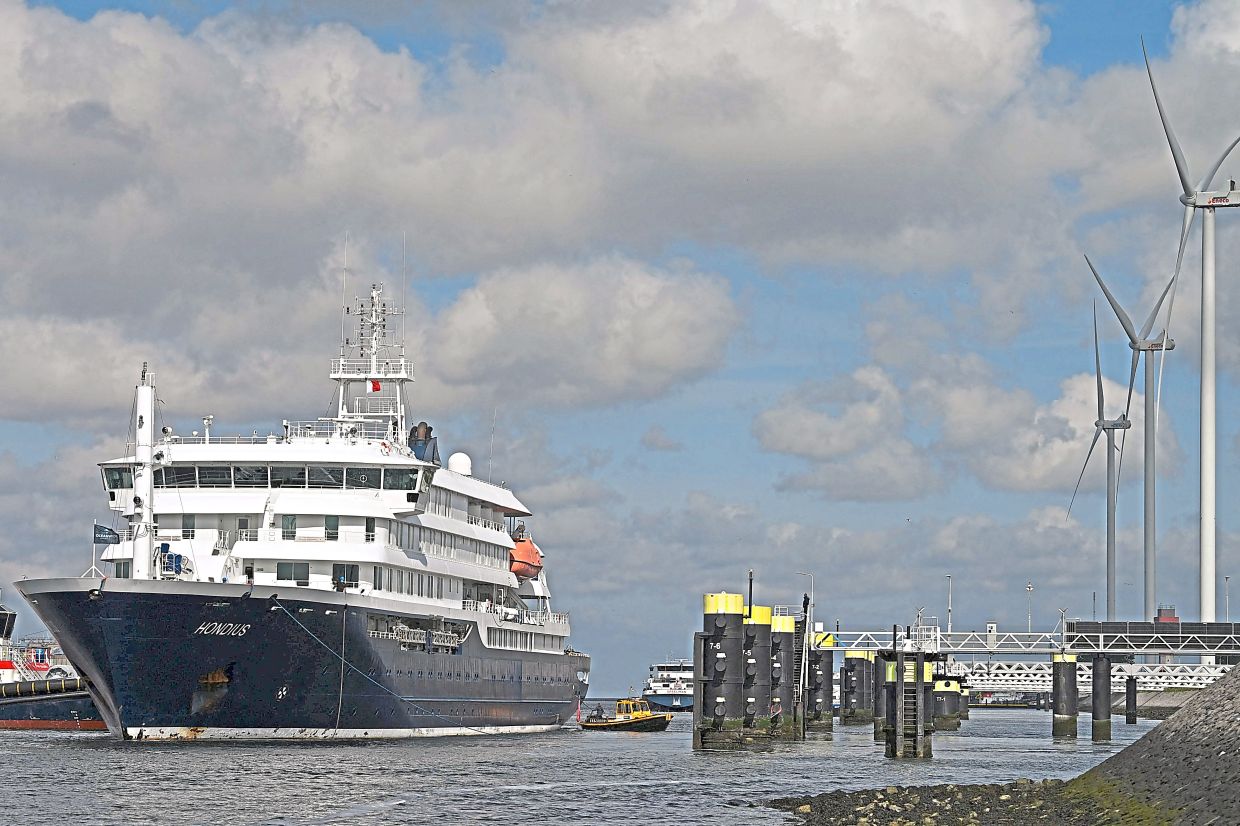
The World Health Organization has formally concluded that the hantavirus outbreak originating from the polar exploration vessel MV Hondius is over, following the discharge of the last quarantined individual on July 2, 2026. WHO Director-General Tedros Adhanom Ghebreyesus announced the milestone at a press conference, marking the successful containment of an incident that had sparked global health concerns and demonstrated the fragility of disease containment on floating populations with limited medical infrastructure.
The outbreak, which unfolded across the remote South Atlantic region, claimed three lives among 13 confirmed or probable infections. The Dutch-flagged ship had departed from Ushuaia in Argentina on April 1, 2026, embarking on an expedition through some of the world's most isolated territories, including the tiny island of Tristan da Cunha, before ultimately proceeding northward toward Tenerife in Spain's Canary Islands. The decision to evacuate remaining passengers at Tenerife proved pivotal in preventing further geographical spread, though the incident had already triggered heightened alert status across 33 countries and territories by the time the ship was finally sanitised in Rotterdam harbour on May 18, 2026.
While no additional cases emerged after May 25, 2026, the epidemiological footprint of the outbreak proved remarkably extensive given the relatively small number of confirmed infections. Health authorities across more than 650 identified contacts in multiple jurisdictions maintained vigilant monitoring protocols for weeks, demonstrating how a single cluster event on a cruise vessel can stretch public health resources globally. The geographical dispersal of potentially exposed individuals—ranging across Europe, South America, and beyond—reflected the interconnected nature of modern tourism and posed considerable logistical challenges for coordinated follow-up and surveillance.
Hantavirus represents a particularly concerning pathogen because it lacks approved vaccines and specific antiviral treatments, leaving medical teams reliant on supportive care and isolation protocols. The virus spreads primarily through contact with infected rodent populations or their excreta, making transmission routes difficult to predict or prevent in travel settings. However, the Andes species responsible for the MV Hondius outbreak possesses a unique and troubling characteristic: it remains the only known hantavirus strain capable of sustained human-to-human transmission, a trait that dramatically amplified concern among public health officials when the initial cases were confirmed.
The precise origin of the outbreak aboard the cruise ship remains under investigation, though the vessel's itinerary through remote South Atlantic islands suggests possible exposure during shore expeditions or through environmental contamination on the ship. Such polar and sub-polar voyage tourism, increasingly popular among adventure travellers and nature enthusiasts, creates inherent occupational hazards given the proximity to wildlife in relatively undisturbed ecosystems. The incident underscores how expedition-style tourism can introduce participants to zoonotic disease risks that differ markedly from those encountered in conventional holiday destinations.
Beyond the formal declaration of outbreak conclusion, WHO officials have emphasised that the epidemiological investigation is merely entering substantive phases. Tedros indicated that WHO intends to coordinate a comprehensive multinational study across 21 countries to characterise the disease's clinical progression, transmission dynamics, and host factors that might influence severity. This collaborative research framework aims to generate evidence that could inform the development of diagnostic tools, therapeutic interventions, and preventive vaccines specifically targeting hantavirus—research trajectories that could require years of sustained effort and international coordination.
The scientific community has treated the MV Hondius incident as a significant case study for understanding emerging infectious disease dynamics in travel populations. The outbreak illustrated how modern transportation networks can rapidly disseminate infections across continents, but also demonstrated the effectiveness of rapid case identification, contact tracing, and quarantine measures when coordinated internationally. For maritime health authorities, the episode has prompted renewed examination of disease surveillance protocols aboard ships and the adequacy of medical facilities on vessels undertaking extended voyages to remote regions.
For Southeast Asian countries, the implications merit consideration given the region's substantial cruise tourism industry and the presence of rodent-borne viruses endemic to several jurisdictions. While this particular outbreak originated in the South Atlantic, regional health authorities have recognised that expedition cruises operating in Asian waters could potentially encounter similar transmission risks. The incident demonstrates the necessity for cruise operators to incorporate robust disease surveillance procedures, crew training protocols, and rapid communication systems with local health authorities whenever passengers are evacuated.
The successful coordination across 33 countries to identify and monitor contacts also highlights WHO's evolving capacity for rapid response to emerging outbreaks in travel-associated contexts. However, the agency's continued emphasis on further research and vaccine development suggests that hantavirus containment will remain a priority for global health security planning. As expedition tourism expands into previously remote regions, the potential for novel zoonotic exposures will likely increase, making the lessons extracted from the MV Hondius outbreak increasingly relevant for public health preparedness globally.

