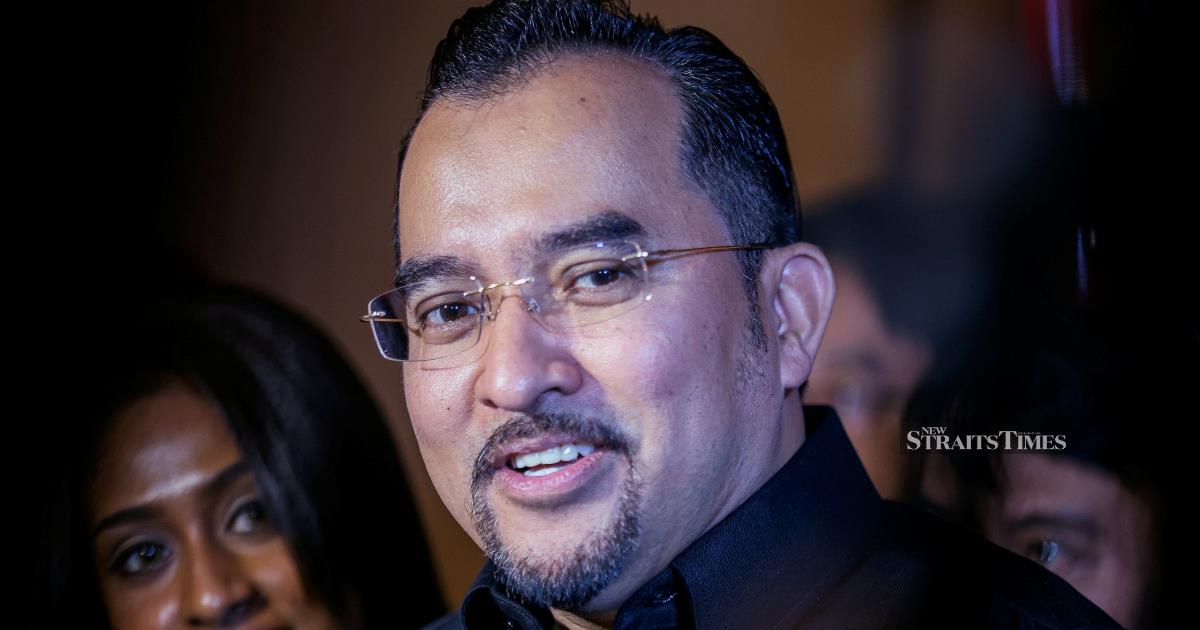
KUALA PILAH: A pointed political question has emerged from Umno's highest echelons regarding Pakatan Harapan's preparedness for a potential electoral setback in Negri Sembilan. Umno secretary-general Datuk Dr Asyraf Wajdi Dusuki has publicly demanded that the coalition articulate who would assume the state's top administrative position if caretaker Menteri Besar Datuk Seri Aminuddin Harun fails to retain his Linggi seat during the forthcoming state election.
The challenge underscores a fundamental organizational question facing PH as it campaigns across Negri Sembilan. While Aminuddin has served as the state's Menteri Besar, his continued tenure depends on securing his individual constituency. Should voters reject him at the ballot box, the coalition would face an immediate leadership vacuum at a critical juncture—one that demands swift resolution to maintain governmental stability and public confidence.
Ashyraf's intervention reflects a broader Umno strategy to highlight what the party characterizes as gaps in PH's electoral planning. By forcing the issue into public discourse, the Umno leader seeks to create doubt about the opposition coalition's organizational readiness and internal cohesion. This tactic is particularly effective in state-level politics, where voters often prioritize local leadership credibility and clear succession arrangements.
For PH, the question carries significant weight beyond mere political theatre. Malaysian electoral conventions and constitutional practice require that any Menteri Besar possess a seat in the state assembly. If Aminuddin loses Linggi, PH would need an alternative assemblyman from their winning slate willing and able to assume the role. This necessitates either a pre-arranged succession plan involving another elected representative, or swift negotiation among coalition partners to secure consensus on a replacement leader.
Negri Sembilan's political landscape has evolved considerably over recent years, with power shifting between competing coalitions. The state's composition of 36 assembly seats means that controlling even a modest majority demands careful coalition management and clear leadership structures. Any perception of confusion or internal conflict over succession could damage PH's standing with undecided voters who prioritize stability and decisive governance.
The caretaker status itself adds complexity to Aminuddin's political position. Having assumed office through prior electoral victories, he now seeks renewal of his mandate while simultaneously fulfilling day-to-day administrative responsibilities. This dual role, while common during election periods, creates vulnerability—should his local constituency reject him, arguments about his continued suitability for the senior state position gain immediate resonance.
SEA-level political observers note that such challenges often surface during campaign periods as competing coalitions probe each other's vulnerabilities. In Malaysia's federal system, state elections carry profound implications for both local governance and coalition dynamics at the national level. Negri Sembilan's outcome could influence broader perceptions of PH's stability and organizational discipline heading into any future general election cycle.
The substance of Asyraf's question also touches on broader governance principles. Clear succession planning demonstrates political maturity and respect for democratic institutions. Voters reasonably expect major political coalitions to have identified capable leaders ready to assume office if primary candidates falter. Failure to articulate such arrangements suggests either overconfidence or inadequate preparation—neither perception serves a coalition's electoral interests.
PH's response to this challenge, should it come, will shape media narratives and voter perceptions during the crucial final campaign phase. A clear, decisive identification of an alternative leader would blunt Asyraf's criticism. Conversely, any hedging or internal disagreement over succession would validate opposition contentions about PH's organizational weakness and contribute to uncertainty in voter minds.
The political context matters considerably here. Negri Sembilan traditionally votes differently from peninsular neighbors, with distinct local issues often dominating campaign agendas. State-specific concerns about economic development, agricultural policy, and administrative efficiency frequently outweigh national coalition positioning in determining voting behavior. Nonetheless, the fundamental question of capable, prepared leadership transcends constituency boundaries and resonates with voters across Malaysia's politically diverse landscape.
For election observers and political analysts monitoring the campaign, Asyraf's intervention signals that Umno intends to make organizational readiness and leadership clarity central to its counter-messaging. Whether this tactic influences voter behavior depends partly on PH's response and partly on broader assessment of Aminuddin's individual popularity and performance record in Linggi and across Negri Sembilan more broadly.
Ultimately, this exchange illuminates the intricate choreography of Malaysian electoral politics, where technical questions about constitutional procedures and succession arrangements intersect with public confidence, coalition dynamics, and voter perceptions of leadership competence. The outcome in Negri Sembilan will partly reflect how effectively PH addresses such challenges and maintains unified, confident messaging throughout the campaign period.

