The modern office environment may feel sheltered from the sun's rays, yet it offers little genuine protection against the mechanisms of skin ageing. Whether you spend your day composing emails beside a window, or hunched over multiple screens in a climate-controlled workspace, your skin remains under constant assault from multiple sources of damage. The distinction between outdoor exposure and indoor work has become increasingly blurred—a reality that contradicts the common assumption that staying indoors equates to skin safety.
The science of photoaging tells a sobering story. Approximately 80 percent of visible skin ageing stems from daily, incidental exposure to ultraviolet radiation and environmental pollution rather than from dramatic sun exposure during holidays or weekend activities. More surprisingly, an estimated 25 percent of oxidative cellular damage originates from high-energy visible light, commonly called blue light, which penetrates windows and emanates from digital screens. This means that your computer monitor and smartphone—devices that dominate modern working life across the region—actively contribute to premature wrinkling, fine lines, hyperpigmentation, and stubborn dark spots.
The cumulative impact of this daily exposure cannot be overstated. Research indicates that 80 percent of lifetime sun damage accumulates through ordinary activities rather than concentrated beach vacations or tropical holidays. For Malaysian and Southeast Asian workers navigating humid climates with intense tropical sun, the risk multiplies when combined with indoor screen exposure. A quick lunch run under the midday sun, a cloudy afternoon that feels deceptively safe, or hours before a laptop—each scenario contributes to the same silent consequence: progressive cellular damage that compounds over years and decades.
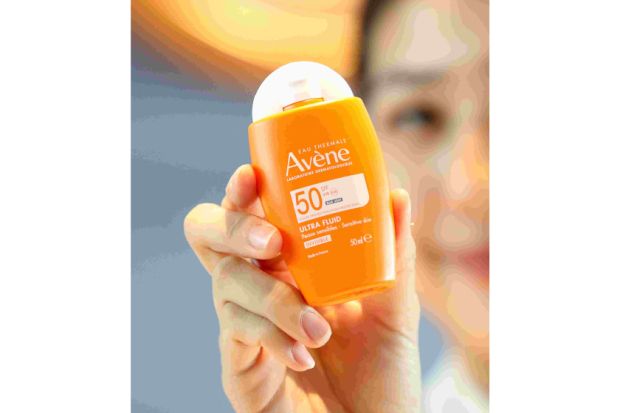
Recognizing this gap in consumer protection, Eau Thermale Avène unveiled its Ultra Fluid Range at an experiential launch event on July 30, 2026, introducing four sunscreen variants designed to address the realities of contemporary working life. The collection moves beyond traditional sun protection frameworks by acknowledging that modern skin defence must counter not just ultraviolet rays but also blue light exposure from digital devices. This represents a meaningful shift in how skincare brands approach the challenge of photoaging in an increasingly screen-dependent world.
Cristiana Irimescu, Asia export business director at Pierre Fabre Singapore Pte Ltd, articulated the central challenge that has frustrated consumers for decades. The conventional skincare market forced an artificial choice between maintaining skin health and achieving a cosmetically elegant appearance. High-protection formulations typically left visible white residue, felt heavy and uncomfortable, or compromised makeup application—making daily compliance difficult for professionals who cannot afford an unpolished appearance. This trade-off has particularly affected workers in Southeast Asian countries where humidity compounds the discomfort of traditional sunscreen formulas.
Dr Syairah Nadia Mohamad, chief executive officer of Radiant Clinique, emphasized that skin fundamentally lacks the ability to distinguish between a scorching tropical afternoon and a supposedly protected indoor workday. The epidermis responds identically to ultraviolet radiation regardless of context, meaning that consistent daily application remains non-negotiable for anyone serious about preventing premature ageing. This consistency challenge explains why many professionals abandon sunscreen during office-bound days—conventional products simply feel incompatible with workplace comfort and appearance standards.
The new Avène range addresses this barrier through formula innovation. The sunscreen features an ultra-fluid texture that is twice as light as standard products, enabling complete absorption within approximately one second of application. This revolutionary lightness eliminates the sticky residue, white cast, and heavy sensation that typically plague high-SPF formulations. For Malaysian professionals navigating air-conditioned offices and outdoor heat, this represents genuine practical progress—sunscreen that integrates seamlessly into daily routines without compromising comfort or appearance.
Central to this advancement is Avène's proprietary TriAsorB filter technology, a broad-spectrum system engineered to neutralize ultraviolet A and B radiation while specifically targeting high-energy visible blue light. This triple-action approach acknowledges that contemporary skin threats extend beyond traditional UV protection, incorporating the emerging science around digital screen exposure. The filter maintains skin's natural condition while building a resilient barrier against environmental stressors accumulated during both outdoor activities and indoor screen work.
The formulation philosophy reflects a genuinely clean approach to sun protection. The range contains no silicone, no alcohol, and no controversial chemical filters—a distinction that matters significantly for the growing population of consumers with sensitive skin across Southeast Asia. This minimalist ingredient strategy proves particularly relevant in humid climates where heavy ingredients can exacerbate skin irritation and compromise barrier function. The absence of potential sensitizers makes the product suitable for daily use without triggering the inflammation that undermines long-term skin health.
Avène's decision to introduce four distinct variants acknowledges that skin types and daily schedules vary considerably across different demographics and lifestyles. This recognition moves beyond the one-size-fits-all approach that has historically limited sunscreen adoption. Workers with oily skin, combination skin, sensitive skin, or specific concerns each find formulations engineered for their particular needs, removing another barrier to consistent daily application. The variety also addresses geographic variation—a Southeast Asian worker spending their day in strong sunshine requires different protection than someone in a temperate climate.
The broader implication for regional consumers concerns the normalization of daily skin defence as a non-negotiable habit rather than an occasional intervention. As awareness grows regarding blue light damage and cumulative ultraviolet exposure, the expectation shifts toward treating sunscreen with the same consistency as toothbrushing or showering. This cultural change gains momentum in Southeast Asia, where increasing urbanization means more screen-dependent work and where tropical sun intensity makes photoaging particularly visible and premature.
For professionals in Malaysia and the broader region, the availability of lightweight, cosmetically elegant sunscreen solutions removes legitimate obstacles to daily compliance. When protection feels as natural as water and integrates effortlessly into existing routines—whether that routine involves sitting beside a sunlit office window or commuting through intense afternoon heat—the prospect of preventing photoaging becomes genuinely achievable rather than theoretically ideal.
The launch of Eau Thermale Avène's Ultra Fluid Range ultimately reflects a maturation in how the skincare industry addresses modern life's demands. Rather than expecting consumers to choose between health and comfort, aesthetic appearance and protection, or outdoor activities and skin safety, innovative formulation science now delivers simultaneous solutions. For anyone navigating the unique challenges of work and life in Southeast Asia's demanding climate and digital-intensive environment, this represents a meaningful advance in accessible, effective skin defence.

