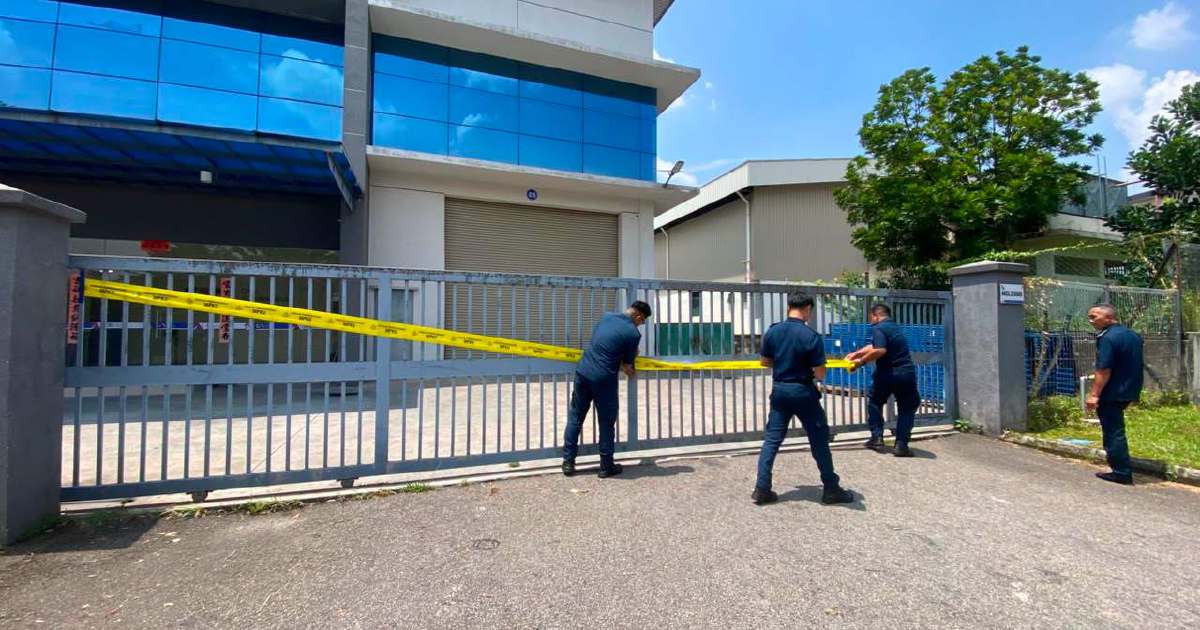
Police in Kulai have taken into custody a Malaysian woman and a Nepali security guard after flags representing the nation and the state of Johor were hoisted in an inverted position at an industrial premises. The incident occurred at a factory located within the Indahpura industrial zone, one of the region's major manufacturing hubs, prompting swift action by law enforcement officers who responded to reports of the flag mishandling.
The inversion of national flags in Malaysia carries significant symbolic weight and is treated as a matter warranting investigation. Flag etiquette in the country is underpinned by considerable cultural and historical importance, with protocols governing proper display enforced through both legal frameworks and community standards. The upside-down positioning of either the national flag or state symbols is considered highly irregular and provocative, often interpreted as intentional disrespect or carelessness that authorities take seriously.
The Indahpura industrial area, situated within Kulai district in Johor, represents a concentration of manufacturing and commercial operations that frequently employ workers from various backgrounds, both domestic and foreign. The presence of migrant workers in such zones occasionally creates situations where procedural misunderstandings or cultural gaps result in protocol violations. Security personnel at industrial facilities typically shoulder responsibility for maintaining physical premises, including ensuring that ceremonial items and national symbols are properly maintained and displayed.
The detention of both individuals suggests investigators are examining circumstances surrounding how the flags came to be inverted. Initial inquiries likely focus on determining whether the incident resulted from negligence, misunderstanding of correct flag protocols, or deliberate action. The involvement of a foreign national worker points to possible language barriers or insufficient briefing on Malaysian flag handling standards that security companies operating in the country are obligated to impart to their staff members.
Flag desecration or improper handling cases in Malaysia typically draw substantial public attention, particularly in states like Johor where national pride runs deep. The state has historically maintained strong traditions regarding symbols of sovereignty and state identity. Social media platforms often amplify public reaction to such incidents, creating immediate pressure on authorities to demonstrate that breaches of flag protocols are investigated thoroughly and addressed appropriately.
For Malaysian and Johor residents, questions frequently arise regarding how industrial facilities and employers ensure compliance with national standards. Many factories employ contract security firms responsible for implementing and maintaining workplace procedures, yet lapses occasionally occur through insufficient training, supervision failures, or communication breakdowns. This incident underscores the importance of comprehensive orientation programs for workers regarding Malaysian customs and legal expectations, particularly those employed in sensitive roles managing facilities.
The detention phase allows investigators to clarify the sequence of events leading to the inverted flag display. Police will determine whether the flags were hung incorrectly from the outset, whether they were deliberately repositioned, or whether environmental factors such as wind contributed to their reversed state. Statements from both individuals, alongside accounts from witnesses and security camera footage if available, will establish the factual foundation for any potential charges.
Legal ramifications under Malaysian law can be substantial for flag-related offenses. The country maintains specific statutes addressing improper treatment of national symbols, with penalties potentially including fines and imprisonment depending on whether conduct is deemed deliberate or accidental. The distinction between negligence and intentional disrespect typically influences the severity of any enforcement action, and prosecutors must establish the requisite intention for charges to proceed effectively.
The incident also raises practical considerations for industrial operations and human resources departments across Johor and Malaysia more broadly. Employers who engage security services or maintain facilities must ensure that contractual arrangements include explicit requirements for proper flag handling and display. Many companies have subsequently implemented mandatory training modules and visual guides demonstrating correct flag orientation and maintenance, recognising that non-compliance creates liability and reputational risks.
For the foreign worker workforce in Malaysia, the case serves as a reminder that employment obligations extend beyond task completion to encompassing respect for national protocols and symbols. The majority of migrant workers maintain exemplary compliance with Malaysian standards and contribute positively to the economy, yet incidents like this can generate negative perceptions if proper context and due process are not emphasised.
Authorities in Johor have not yet disclosed specific charges or anticipated timelines for the investigation's conclusion. Police investigations into flag protocol breaches typically balance efficiency with thoroughness, ensuring that factual determinations support any subsequent legal proceedings. The case will likely conclude with either formal charges if evidence supports intentional misconduct, or administrative guidance and closure if findings indicate negligence or misunderstanding correctable through training and process improvements.

