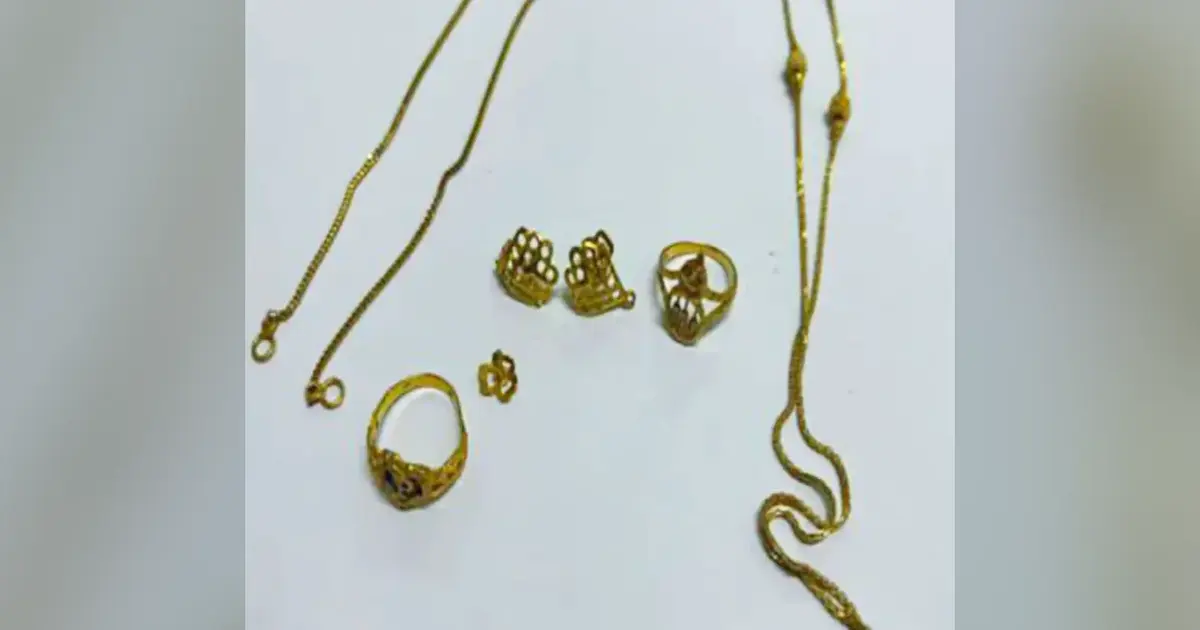
Police have arrested a woman along with her two adult children in connection with a fraudulent welfare assistance scheme that targeted an elderly woman and resulted in the loss of RM8,000 worth of jewellery. The recovery of the stolen items from a local pawnshop has provided critical evidence in the investigation, marking another example of how scammers exploit vulnerable populations under the guise of government assistance programmes.
The arrest represents a growing concern among Malaysian law enforcement agencies regarding organised fraud targeting senior citizens. Welfare-related scams have become increasingly sophisticated, with perpetrators using their knowledge of government assistance systems to gain the trust of elderly victims who may be less digitally literate or more inclined to believe official-sounding claims. This particular case demonstrates how family members can become complicit in such schemes, suggesting a breakdown in familial responsibility and a willingness to exploit vulnerable relatives for financial gain.
The mechanics of this scam highlight a common pattern in Malaysian fraud cases: initial contact under false pretences, followed by collection of valuable items under the pretext of verification or processing, and finally disposal of stolen goods through secondary markets like pawnshops. The choice of jewellery as the target item is significant, as it represents a store of value that elderly individuals typically keep at home and may be reluctant to report missing immediately, providing perpetrators with valuable time to fence the merchandise.
The involvement of a pawnshop in the recovery chain points to a systemic weakness in the secondary goods market that authorities continue to address. While pawnbrokers are required to maintain records of transactions and conduct due diligence on sellers, the sheer volume of items processed daily can create gaps in enforcement. The fact that investigators were able to trace and recover the jewellery suggests improving coordination between law enforcement and the pawnshop industry, though questions remain about how the items were originally accepted without proper verification of ownership.
For Malaysian seniors, this case serves as a stark reminder of the need for heightened vigilance when dealing with unsolicited claims about welfare benefits or government assistance. Legitimate government agencies typically do not demand jewellery or other valuable items as part of welfare processing. The incident underscores why elderly citizens should verify such claims independently by contacting government departments directly rather than relying on information provided by unknown callers or visitors.
The generational dimension of this crime is particularly troubling. The involvement of adult children suggests that perpetrators may have deliberately infiltrated the victim's circle of trust, making the fraud more effective and psychologically damaging. Such cases erode confidence not only in government assistance programmes but also in family relationships, creating lasting trauma that extends beyond the financial loss incurred. This psychological element is often overlooked in discussions of fraud's impact on elderly populations.
The recovery of the stolen jewellery through pawnshop tracing demonstrates that Malaysian police possess effective investigative capabilities for tracking disposed stolen goods. This success should encourage more elderly victims to come forward and report such crimes, knowing that law enforcement has practical tools to recover their property. However, the recovery rate remains a small consolation compared to the violation and distress experienced by the victim during the commission of the crime.
The arrest of three family members raises questions about how such schemes develop within households and what social or economic pressures may drive adult children to participate in defrauding elderly relatives. Understanding these motivations could help welfare agencies and law enforcement develop more targeted prevention strategies. It also highlights the need for community education programmes that address not just external fraud threats but also the risk of elder abuse from within the family unit itself.
This case contributes to a broader narrative about vulnerabilities in Malaysia's welfare ecosystem. As the country's elderly population continues to grow, the attractiveness of this demographic to scammers will likely increase. Policymakers and law enforcement must work in concert to strengthen verification procedures, improve public awareness, and ensure that legitimate welfare beneficiaries can access assistance without fear of becoming targets for fraud. The incident also underscores the importance of inter-agency cooperation, where social welfare departments, police, financial institutions, and community organisations collaborate to identify and prevent such schemes before they cause harm.

