The 2026 FIFA World Cup, jointly hosted by the United States, Canada, and Mexico, has mobilised an unprecedented canine security force to protect stadiums, training facilities, and transportation networks across 16 cities throughout the three nations. At the Los Angeles Stadium, a five-year-old Labrador Retriever named Kali exemplifies the thousands of working dogs stationed near entrances and checkpoints, her non-threatening demeanour belying her critical role in detecting explosives, fireworks, firearms, and other dangerous materials that could pose a threat to spectators and organisers. The sheer geographic and logistical scale of a tri-national tournament has transformed conventional dog-handler deployments into an intricate security ecosystem requiring unprecedented coordination between federal, state, local, and private security agencies.
The geopolitical context surrounding this World Cup has heightened security requirements in ways that distinguish it from previous tournaments. The co-hosting arrangement has complicated threat assessments, as the tournament unfolds across multiple jurisdictions with varying security protocols. The international tensions affecting participating nations—including complex diplomatic relationships between the United States and other countries—have necessitated heightened vigilance, particularly during matches involving nations with strained relationships to the host countries. Organisers have factored in historical precedents, including inter-country rivalries between competing teams and residual tensions within host nations themselves, all of which could manifest as security incidents during high-visibility matches.
Alled Universal Enhanced Protection Services, the largest private canine security provider in the United States, has deployed approximately 300 of its 1,000 dog teams exclusively for World Cup operations. Glen Kucera, the company's president, describes the scale of the operation as genuinely transformative for the security sector. The deployment extends far beyond stadium perimeters; security teams position canine units at training grounds, hotels, and along transportation corridors connecting venues to airports and accommodation facilities. This dispersed approach reflects the reality that threats to tournament security emerge across the entire infrastructure supporting the event, not merely within stadiums themselves.
Federal agencies contribute specialised detection capabilities to this effort. The Federal Bureau of Alcohol, Tobacco, Firearms and Explosives maintains trained explosive-detection dogs like Kali, whose olfactory capabilities can identify a wide range of dangerous materials. Local law enforcement agencies, including departments such as the Los Angeles County Sheriff's Office, supplement federal resources with additional canine teams and handlers who understand the specific security terrain of their jurisdictions. This multi-agency approach creates overlapping detection layers at each entry point, significantly reducing the probability that prohibited items could penetrate venue security undetected.
The psychological and deterrent functions of visible canine security prove equally important as their direct detection capabilities. Kucera emphasises that approximately 95 per cent of the dogs' effectiveness stems from their visible presence rather than their olfactory detection. A potential threat actor encountering multiple canine security teams at checkpoint after checkpoint understands immediately that risk has substantially increased. The visual deterrent effect operates particularly powerfully against opportunistic threats rather than highly organised operations, yet it nonetheless contributes meaningfully to overall security posture. Spectators observing dog handlers near entrances similarly internalise that venue security has taken comprehensive precautions, contributing to a sense of safety that encourages attendance and enjoyment.
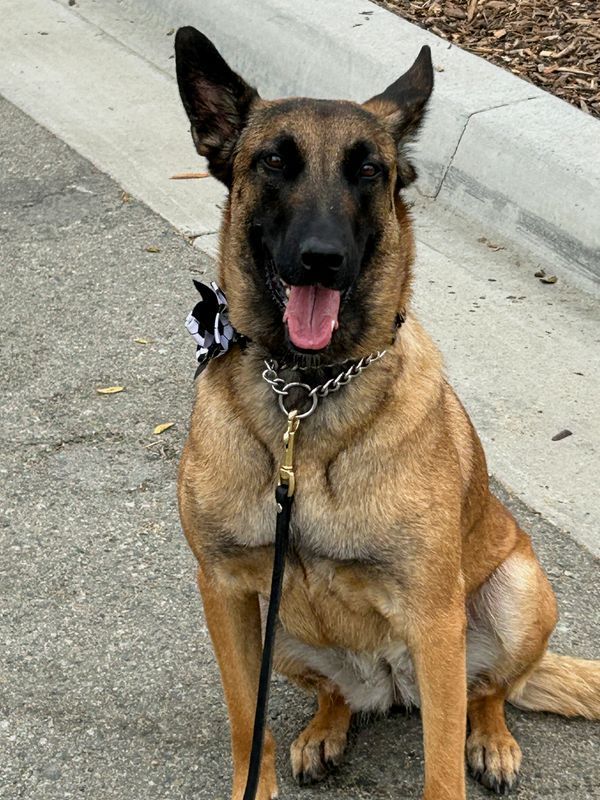
The choice of dog breeds reflects deliberate thinking about balancing security effectiveness with spectator comfort. Kucera explains that his firm has predominantly deployed Labradors and other friendly, recognisable breeds rather than German Shepherds or other imposing varieties. This decision stems from recognition that dog ownership and attitudes toward canines vary significantly across cultures represented among World Cup spectators. In certain regions, dogs have historically served exclusively as instruments of state security or oppression, making the sight of security dogs a source of anxiety or fear. By deploying Labradors—breeds widely perceived as gentle and approachable—organisers communicate that security measures exist to protect rather than intimidate, subtly signalling that the tournament welcomes and values international visitors.
The tournament's geographic distribution across three nations has necessitated adaptive security strategies tailored to each host country's capabilities and threat landscapes. In Guadalajara, Mexico, organisers have supplemented traditional canine teams with robotic dogs engineered specifically to detect explosive threats, demonstrating innovation in response to local security challenges. Vancouver's approach emphasises multi-layered detection strategies where canine units integrate with technology and personnel to create comprehensive defensive networks. These regional variations reflect both the distinct security environments of different cities and the flexibility that tournament organisers have built into their overall security architecture.
Matches involving Iran presented singular security challenges that illustrated the tournament's geopolitical complexity. The Iranian national team faced exceptional travel restrictions, with players required to remain in Mexico between matches, travelling to venues only immediately before kickoff and departing immediately afterwards. This compressed schedule created dynamic security management challenges, as standard advance preparation time for venue security became unavailable. Additionally, Iran's matches, particularly those in Los Angeles against New Zealand and Belgium, have drawn substantial political protests outside stadiums. The convergence of geopolitical tensions, concentrated crowds, and elevated emotion created security scenarios that demanded heightened canine presence and handler vigilance.
Fireworks present a particular challenge that working dogs help address comprehensively. In numerous countries, fans traditionally celebrate goals and victories by igniting fireworks, a practice that stadium organisers have sought to prevent both for safety and to avoid alarm among spectators. Canine units stationed at entry points screen incoming spectators and confiscate prohibited pyrotechnics, converting what might become a stadium incident into a managed security procedure. The dogs' ability to detect explosive compounds means that fireworks detection occurs without requiring handlers to visually inspect every item entering the venue, substantially streamlining the entry process while maintaining security integrity.
The coordination challenge of managing hundreds of canine teams simultaneously across multiple time zones and jurisdictions has represented an operational achievement in its own right. Security organisations like Allied Universal have confronted unprecedented demand for trained dogs and experienced handlers, straining the available supply of qualified animals. The tournament has catalysed investment in canine training programmes and handler certification, with implications extending beyond the World Cup itself. Host cities and security agencies have built institutional knowledge about large-scale canine deployment that will inform security planning for future major sporting events and other mass gatherings requiring comparable protective infrastructure.
Implementing this comprehensive security architecture while maintaining an environment where international spectators feel welcomed and unthreatened required sophisticated cultural and operational considerations. Tournament organisers have balanced the visibility necessary for deterrence with the aesthetic and psychological comfort of millions of attending fans. The predominant use of friendly dog breeds, the professional demeanour of handlers, and the integration of canine units with other security measures create a security presence that spectators typically experience as reassuring rather than oppressive.
As the tournament has progressed, the security record has remained exemplary, with no significant incidents traceable to breaches in detection or prevention capabilities. The success reflects not merely the working dogs' acute olfactory abilities, but rather the comprehensive systems within which they operate. Each Labrador, each handler, and each deployment location represents a node within a vast protective network designed to enable the world's most prominent sporting event to proceed safely. The dogs themselves, if asked, likely care little for geopolitical context or security strategy—they perform their trained tasks, alert their handlers to detected threats, and occasionally permit themselves the pleasure of having their pictures taken by press photographers, content in their role as silent sentries protecting an international celebration.

