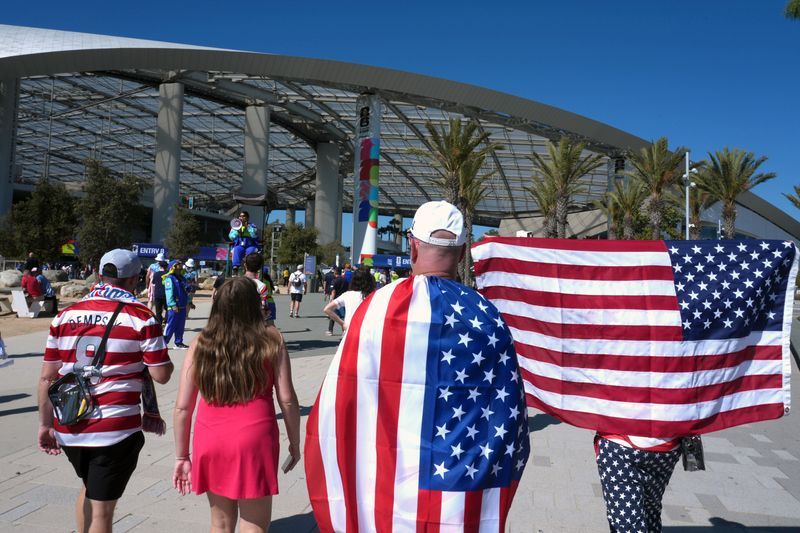
Jeremy Wright's Christmas gift to his wife turned into a nightmare when StubHub cancelled their tickets to the Netherlands-Japan World Cup match just five hours before kickoff on June 14. After driving from Austin to Dallas with their hotel lobby celebration already underway, the Wrights received an email from the resale platform stating the tickets could not be delivered. Though StubHub promised replacement tickets under its "FanProtect Guarantee," the only option presented was a refund, leaving the couple to drive back home in the rain and miss the game they had planned for over ten months.
The Wrights are far from alone in their frustration. Dozens of angry ticket buyers flooded social media in mid-June after experiencing identical problems with last-minute cancellations on StubHub. Writer and personal stylist Dacy Gillespie bought four tickets to Argentina's match against Algeria as a surprise Christmas gift for her two sons, only to receive a cancellation email on matchday after driving 250 miles from St Louis to Kansas City. These incidents reveal a systemic vulnerability in how World Cup tickets are distributed through secondary resale platforms, a problem that extends beyond individual vendor failures to encompass deeper structural issues in the ticketing ecosystem.
StubHub maintains that it operates as a resale-only platform without direct possession of tickets or control over pricing. According to company representatives, order cancellations stem from delivery issues originating with sellers rather than platform failures. The company further attributed some problems to FIFA's ticketing infrastructure, claiming that technical issues affecting ticket transfers across resale platforms point to complications within FIFA's own system. However, this explanation offers little comfort to fans who paid money and received nothing in return despite platform guarantees.
FIFA, the world soccer governing body, has rejected these claims entirely. The organization stated that its World Cup ticketing platform operates reliably at scale and emphasized that only its official resale and exchange marketplace can guarantee proper ticket delivery. FIFA urged fans to use its official platform exclusively, yet the organisation's own resale marketplace charges a steep 30 percent commission on ticket resales, making those tickets substantially more expensive than alternatives. Some fans, like Gillespie, deliberately avoided FIFA's platform after finding it confusing and convoluted, creating pressure that pushes buyers toward third-party services.
Ticketing expert Scott Friedman, who previously worked with the Cleveland Cavaliers and now operates the Ticket Talk Network, identified the root cause of these cascading failures: a practice known as "speculative ticketing." Sellers list tickets at inflated prices weeks or months in advance, hoping to purchase them later at lower cost and pocket the difference, much like short-selling in financial markets. Wright purchased his tickets on September 6, 2025, just four days before FIFA even launched its first official sales draw, suggesting his tickets were almost certainly listed by a speculator who never actually possessed them.
The speculative ticketing model typically functions profitably because secondary market prices for sporting events decline as event dates approach. However, World Cup ticket prices defied this historical pattern, climbing steadily throughout the sales period as the tournament drew closer. This unprecedented price trajectory trapped speculators in an impossible position: they had promised tickets they could not acquire without taking substantial financial losses, forcing them to simply abandon orders and leave buyers without recourse. StubHub's official policy prohibits speculative ticketing, yet the platform does not require sellers to provide seat numbers when listing tickets, allowing "ghost tickets" to proliferate despite enforcement measures.
StubHub claims it requires sellers to upload proof of ticket ownership or purchase at listing time, with violators facing financial penalties and account suspension. The company also states that misrepresentation of inventory triggers consequences for bad-faith actors. Yet these policies appear inadequately enforced given the scale of cancellations that occurred. The platform's seat-number omission means buyers cannot independently verify ticket legitimacy before purchase, creating information asymmetry that favours fraudulent sellers. A screenshot of Wright's order showed only generic "Category 3" seating without specific seat assignments, providing no means to validate the ticket's existence.
Public pressure on social media proved far more effective than customer service channels in obtaining resolution. The Wrights and Gillespie both reported that StubHub only responded meaningfully after their complaints went viral online. StubHub subsequently offered the Wrights complimentary semi-final tickets as compensation and provided Gillespie $3,000 to offset replacement ticket costs she purchased independently. However, both consumers noted the troubling reality that only high-profile social media pressure secured any response, while numerous other affected fans languished without assistance.
StubHub has established a dedicated World Cup support team and claims to have expanded capacity to source replacement tickets for affected customers, maintaining that fan attendance at matches remains the platform's top priority. Yet these reactive measures came only after extensive public criticism and do nothing to address the structural vulnerabilities that permitted widespread cancellations in the first place. For Malaysia and Southeast Asian readers, this scandal offers cautionary lessons about relying on secondary resale platforms for major sporting events, particularly when primary market alternatives exist, however expensive or cumbersome.
Marsha-Gaye Knight, a clinical assistant professor at NYU Tisch Institute for Global Sport, warns that the StubHub cancellations could inflict significant long-term brand damage on the company. This assessment appears prescient given recent UK regulatory action: the country's markets watchdog ordered StubHub to refund over 50,000 customers and pay a £900,000 fine for failing to display total ticket prices upfront. The confluence of World Cup service failures and international regulatory penalties suggests the company faces mounting scrutiny and potential restrictions on its business model.
The World Cup ticketing crisis highlights a fundamental tension in modern sports commerce. While dynamic pricing, implemented by FIFA for the first time, aimed to optimize revenue, it created conditions enabling speculation and fraud. Secondary resale platforms promise accessibility and better prices than official channels, yet lack the infrastructure and enforcement mechanisms to prevent bad-faith sellers from vanishing when prices move against them. Fans caught in the middle must navigate competing platforms, unclear policies, and companies unwilling to take responsibility, ultimately bearing the financial and emotional costs of systemic failures that none of them created.
For future mega-events, including potentially the 2026 World Cup if similar resale problems persist, organizers and secondary market platforms must fundamentally rethink ticket distribution architecture. Enhanced seller verification, mandatory seat identification at listing, substantial financial bonding requirements, and real-time inventory confirmation could reduce fraud opportunities. The current system, which prioritizes seller flexibility over buyer protection, has proven inadequate to the task. Without meaningful reform, fans attending international sporting events will continue facing the risk of expensive ticket cancellations hours before matches, left with only social media posts as their avenue for redress.

