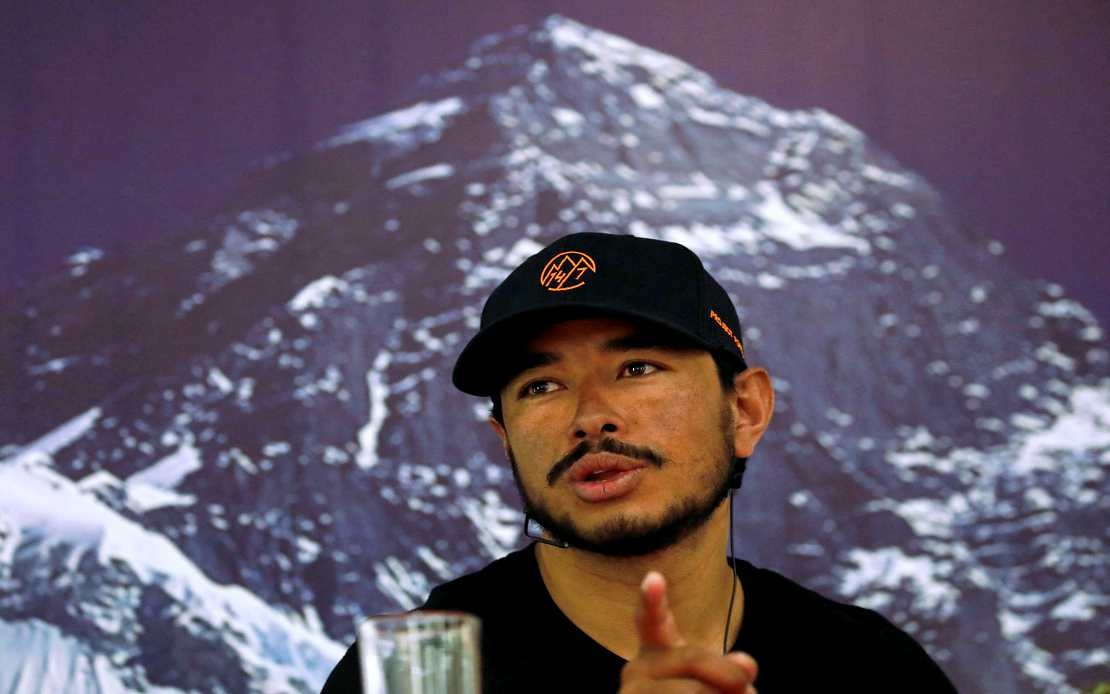
Nirmal Purja, the celebrated mountaineer who achieved one of alpinism's most extraordinary feats, has been killed in an avalanche on Broad Peak in northern Pakistan. The tragedy occurred on Thursday around midday when the 43-year-old was leading a climbing expedition of ten people on the world's 12th-highest mountain. His company, Elite Exped, which he co-founded, confirmed his death on Saturday following extensive search operations in the region.
The avalanche claimed multiple lives during what should have been a routine ascent of the 8,051-metre peak located in the Karakoram Range. Alongside Purja, two other climbing partners perished in the incident: Pur Bahadur Gurung, known as Yukta, and Nima Sherpa. Both men were experienced mountaineers integral to the expedition's success. The loss of these three skilled climbers has sent shockwaves through the global mountaineering community, where such accidents underscore the perpetual dangers inherent in high-altitude expeditions, regardless of participants' experience levels.
Elite Exped's statement, shared across social media platforms, acknowledged not only Purja's death but also extended condolences to the families of all victims. The company emphasised the profound grief felt by those who knew these individuals, recognising both their professional contributions to mountaineering and their personal significance to loved ones. The statement requested privacy for grieving families as they process the devastating loss, a sentiment echoed by many in the climbing world who recognised these men as dedicated professionals and cherished companions.
The tragedy has resonated far beyond mountaineering circles. British television personality Bear Grylls, himself an accomplished adventurer, posted a tribute describing Purja as "remarkable and unique," acknowledging the widespread impact of his death on climbers globally. Fellow mountaineer Matthews shared emotional reflections on the risks inherent in high-altitude climbing, noting that those who venture into such environments do so with full awareness of potential consequences, yet driven by passion and purpose that transcends fear.
Purja achieved legendary status in 2019 when he accomplished what many considered impossible: summiting all 14 mountains on Earth exceeding 8,000 metres elevation in just 189 days. This extraordinary achievement shattered the previous record by more than seven years, fundamentally reshaping what professional mountaineers believed humanly achievable. His feat began on April 23, 2019, with Annapurna and progressed through the world's most formidable peaks, including Mount Everest in May and K2 in July. The accomplishment was documented in a Netflix series that introduced his remarkable journey to global audiences.
Before becoming a celebrated mountaineer, Purja served 16 years in the British military, spending a decade with special forces units. His military background equipped him with the discipline, technical expertise, and mental fortitude necessary for extreme-altitude mountaineering. In recognition of his pioneering achievements in high-altitude mountaineering, Queen Elizabeth II awarded him an MBE in 2018, acknowledging both his personal accomplishments and his role in advancing the sport. Purja held the distinction of being the first Gurkha soldier to summit Everest while serving in the British military, a feat that carried particular significance within military and Nepalese communities.
Beyond record-breaking, Purja demonstrated exceptional character during a 2016 incident on Mount Everest when he abandoned his own summit attempt to rescue a fellow climber abandoned in the "death zone," the region above 8,000 metres where human bodies begin deteriorating rapidly due to extreme altitude. Acting alone and at considerable personal risk, he successfully brought the stranded climber to safety, defying mountaineering conventions that typically discourage such rescue attempts due to their life-threatening nature. This act of heroism revealed the depth of Purja's commitment to the climbing community beyond personal achievement.
Broad Peak, where the fatal avalanche occurred, represents one of mountaineering's most technically demanding objectives. Located in the Karakoram Range near the Pakistan-China border, the mountain demands exceptional skill and acclimatisation despite standing as "only" the world's 12th-highest peak. The mountain claims lives with sobering regularity, and avalanches remain among the primary hazards climbers face. The timing of Thursday's avalanche, striking at midday when climbing activity typically peaks, suggests participants had insufficient warning to seek shelter, a reality that emphasises the unpredictable nature of high-altitude mountaineering regardless of preparation or experience.
For Southeast Asian climbers and mountaineering enthusiasts, Purja's legacy carries particular resonance. As a Nepali mountaineer who achieved global prominence, he represented the region's extraordinary mountaineering heritage and demonstrated that climbers from smaller nations could dominate the sport at its highest levels. His death raises important questions about avalanche risk management, weather prediction accuracy at extreme altitudes, and the balance between mountaineering ambition and safety protocols that the climbing community continues debating intensely.
The tragedy underscores broader safety concerns within high-altitude mountaineering, particularly on peaks like Broad Peak that receive less media attention than Everest but present equally formidable challenges. Avalanche forecasting at such elevations remains imprecise, and climbers operating in remote regions like the Karakoram face limited access to real-time weather data and rescue infrastructure. While Purja's achievement of summiting all 8,000-metre peaks elevated mountaineering's profile globally, his death serves as a sobering reminder that excellence and experience provide no absolute protection against mountains' relentless dangers.
Purja's passing represents not merely the loss of a record-holder but the death of a pioneering figure who expanded mountaineering's possibilities while maintaining the sport's ethical traditions. His willingness to attempt humanitarian rescue in 2016 demonstrated that mountaineering achievement and human compassion need not exist in conflict. As the climbing community mourns, discussions will inevitably emerge regarding expedition safety standards, particularly for lesser-known peaks that attract serious climbers seeking new challenges beyond Everest's well-established routes. Purja's legacy will endure through both his documented accomplishments and the lives he touched throughout a career marked by extraordinary ambition tempered with genuine concern for fellow climbers.

