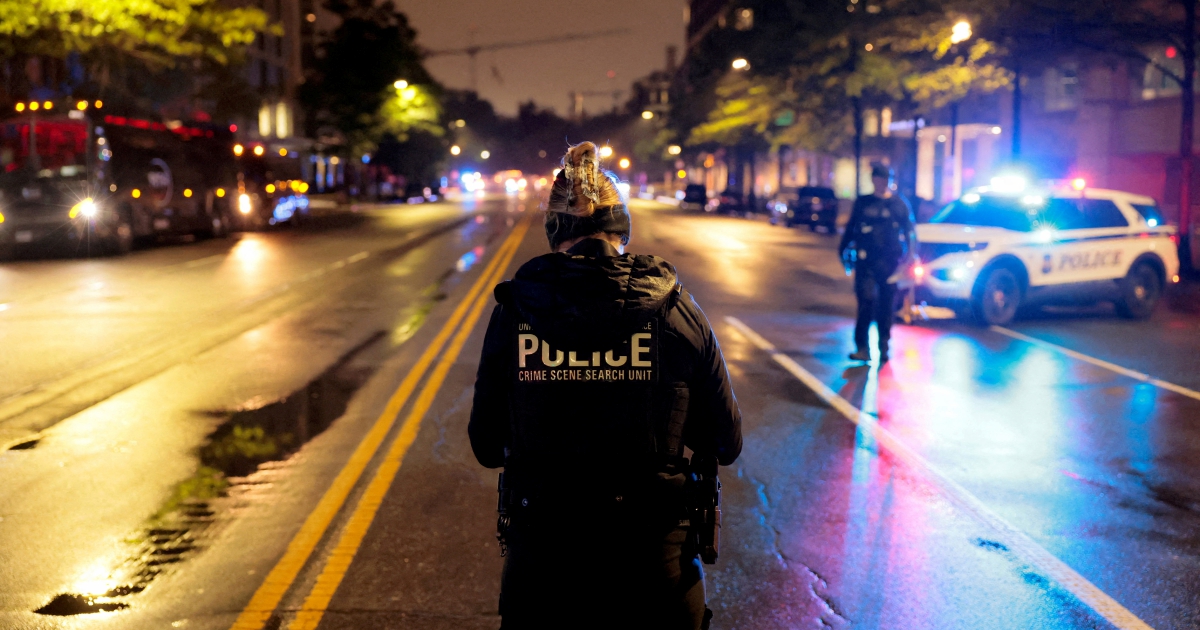
A bystander struck during a firearms exchange between US Secret Service personnel and a suspect outside the White House in May is moving forward with legal proceedings against the security agency. Legal representatives for the injured individual indicated on Tuesday that they would initiate a personal injury claim, challenging the circumstances and response procedures that led to civilian harm during the incident.
The case represents a rare legal challenge to Secret Service operations, an agency whose protective mandate has long drawn scrutiny from civil rights advocates and legal experts. When federal law enforcement agencies engage in armed confrontations, particularly in high-traffic areas near national landmarks, the question of civilian safety becomes paramount. The filing of this lawsuit opens a broader conversation about accountability measures and protocols that govern such situations, especially when innocent people find themselves caught in the crossfire.
Incidents involving civilian injuries during law enforcement operations frequently trigger debates about training standards, rules of engagement, and the balance between security operations and public safety. The White House vicinity, being one of the most heavily fortified and monitored locations in the United States, typically maintains strict perimeters and access controls specifically designed to prevent such confrontations. The fact that a bystander was wounded suggests either an unexpected breach of security protocols or circumstances that escalated beyond anticipated scenarios.
The legal action carries implications beyond the individual case, potentially influencing how federal agencies approach armed encounters in densely populated or sensitive locations. Courts examining such lawsuits typically scrutinise whether adequate warnings were issued, whether non-lethal alternatives were exhausted, and whether the agency's response was proportionate to the threat level. For Malaysian observers and Southeast Asian legal professionals, this case demonstrates how American jurisprudence handles government liability when security operations inadvertently harm civilians.
The Secret Service has faced increasing public and political scrutiny in recent years regarding both its security effectiveness and its conduct during sensitive situations. This lawsuit adds another layer to existing discussions about the agency's operational practices. Legal experts suggest that personal injury cases against federal agencies require plaintiffs to navigate complex immunity doctrines and procedural requirements that differ substantially from standard civil litigation against private parties or state entities.
The involvement of legal representatives at this stage indicates a potentially substantial claim. Attorneys would typically evaluate factors including the extent of injuries sustained, medical expenses, lost income, ongoing rehabilitation requirements, and broader damages claims. The decision to proceed publicly with announcement of the lawsuit suggests confidence in the legal merits, though government agencies often contest such claims vigorously through their own counsel.
For those following American legal and security procedures, this case illustrates the intersection of national security imperatives and individual rights protections. The litigation process will likely involve extensive discovery of Secret Service communications, incident reports, training documentation, and decisions made by personnel during the confrontation. Such disclosure requirements form a critical component of American civil litigation against government agencies, contrasting with less transparent administrative processes in various other jurisdictions.
The White House shooting incident itself remains significant in security circles as an example of the unpredictable nature of threats to high-value protected sites. Despite sophisticated surveillance systems, intelligence operations, and physical barriers, the area remains vulnerable to determined individuals. This reality shapes how security agencies balance their protective missions with potential consequences of their operational responses.
The outcome of this litigation could establish or reinforce precedents regarding Secret Service accountability in future cases. If the bystander's legal team successfully establishes negligence or improper procedures, it may prompt the agency to reassess training protocols and engagement procedures. Conversely, if the Secret Service successfully argues qualified immunity or that its personnel acted reasonably under the circumstances, it would provide the agency with legal precedent for future incidents.
For regional readers, understanding how established democracies like the United States handle accountability for government actions provides comparative perspective on executive power limitations and judicial oversight. The litigation process itself, with its transparency and adversarial structure, reflects foundational principles of American law emphasising individual recourse against government actors. Such mechanisms remain instructive for societies developing their own frameworks governing security force accountability and civilian protection.

