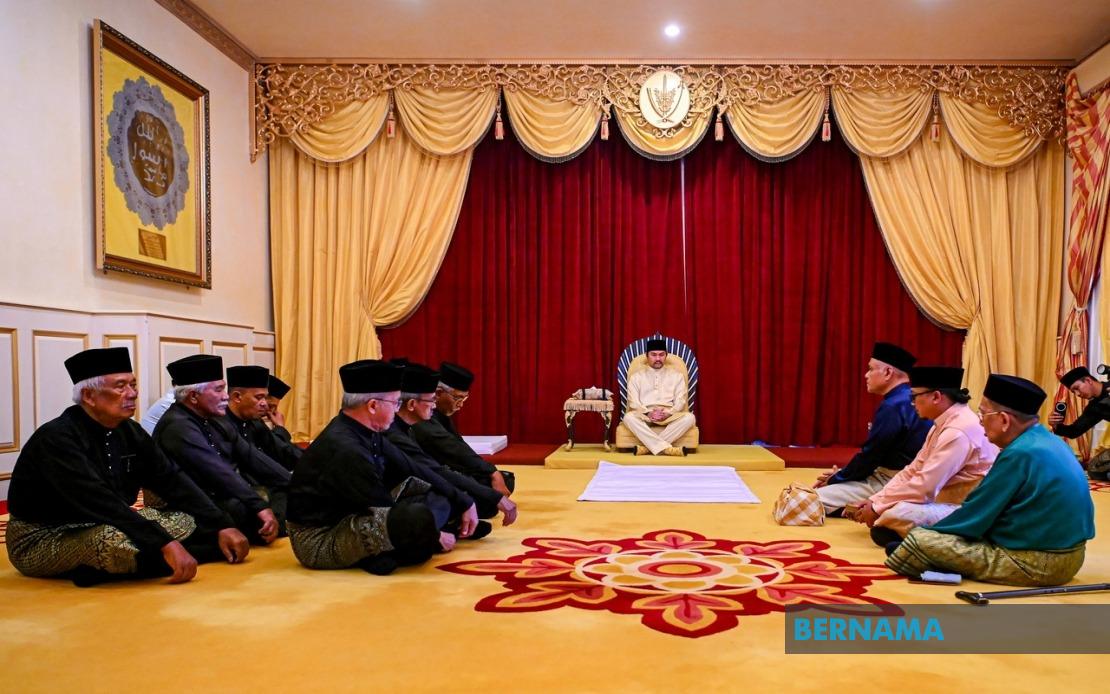
The Yang Dipertuan Besar of Negeri Sembilan, Tuanku Muhriz Tuanku Munawir, has given his approval for a ceremonial audience to formally recognise the installation of the new Undang of Luak Sungei Ujong, with the proceedings set to take place at Istana Besar Seri Menanti in Kuala Pilah on Saturday morning. The decision was formally communicated through Tunku Besar Seri Menanti Tunku Ali Redhauddin Tuanku Muhriz, who granted an audience to the adat leaders, customary council members, and representatives of the luak at the royal palace. This ceremonial formalisation represents an important moment in Negeri Sembilan's constitutional and customary framework, where traditional institutions retain a distinctive role in governance and succession matters.
The selection of the new undang followed a rigorous process conducted within the established customary framework of Luak Sungei Ujong. Muhammad Faris Johari, aged 29, has been identified as the 11th Undang of Luak Sungei Ujong through a decision made by the Buapak customary council assembly, which operates according to the longstanding adat and traditions specific to this district. Waris Negeri Sungei Ujong Datuk Sinda Maharaja Razlan Hamid, representing the luak in official capacity, confirmed that the selection process adhered scrupulously to customary law and established practice. This careful adherence to procedural correctness underscores how Malaysia's traditional institutions maintain their legitimacy through fidelity to inherited cultural and legal frameworks, even as the modern state develops around them.
The royal approval was conveyed in measured language befitting the formal nature of the occasion. Tunku Ali Redhauddin conveyed his father's explicit consent for the Istiadat Menghadap Menjunjung Duli Bagi Menyempurnakan Kejadian Undang Luak Sungei Ujong—the formal ceremony for presenting and completing the installation of the Undang—to proceed as scheduled. The Tunku also indicated that preparatory matters and procedural details should be coordinated between the adat leadership and the Orang Empat Istana, the traditional advisory body within the palace structure, reflecting how customary processes require close collaboration between elected adat authorities and palace officials to function effectively.
The installation of Muhammad Faris Johari as the 11th Undang follows the dismissal of his predecessor. The Dewan Keadilan dan Undang, the traditional justice and governance council, had previously accepted the removal of Datuk Klana Petra Datuk Mubarak Dohak from his position as the 10th Undang of Luak Sungei Ujong. This transition in leadership demonstrates that even positions rooted in hereditary and customary traditions remain subject to formal constitutional processes when circumstances warrant. Menteri Besar Datuk Seri Aminuddin Harun confirmed that the decision had been reached during a specially convened sitting at the palace, personally chaired by Tuanku Muhriz himself, indicating the seriousness with which such matters are treated at the highest levels of state governance.
The ceremonial framework operating in Negeri Sembilan reflects a distinctive constitutional arrangement within Malaysia's federal structure. Unlike states where traditional leadership is primarily ceremonial, Negeri Sembilan's undang retain meaningful authority within their respective luaks, exercising customary jurisdiction and representing the interests of their communities in matters affecting local governance and cultural practice. The formal royal audience serves not merely as symbolic recognition but as constitutional validation of both the selection process and the undang's authority to execute customary duties. For Malaysian observers, this demonstrates how the federation accommodates plurality in governance structures, permitting states to maintain strong traditional institutions alongside modern administrative frameworks.
The timing and scale of the ceremony reflects its significance within the state's constitutional calendar. Saturday morning's proceedings will witness not only the installation of the Sungei Ujong Undang but also a parallel formal ceremony for the 22nd Undang of Luak Rembau, according to information released during the audience. Both installations occurring within the same gathering underscores how Negeri Sembilan manages succession across its nine luaks through a coordinated process that maintains consistency while respecting each district's particular customary requirements and heritage. This dual ceremony approach allows the ruler to affirm his constitutional role as custodian of adat while recognising the autonomy that each luak traditionally exercises in selecting its leadership.
The role of customary councils in this process warrants particular attention for understanding how Malaysia's traditional governance persists in the contemporary environment. The Buapak assembly, which conducted the selection, represents the collective voice of adat leaders and community representatives within Luak Sungei Ujong, operating according to procedures that have evolved over centuries while adapting to modern governance expectations. Their decision to nominate Muhammad Faris Johari reflects confidence in his capacity to represent the luak's interests and maintain the traditions that structure community life in his district. For younger Malaysians, this succession represents continuity across generations, with a 29-year-old taking up responsibilities that demand both deep knowledge of customary law and the ability to navigate contemporary administrative relationships.
The coordination between palace officials and customary authorities, as evidenced by the instruction that adat leaders discuss ceremonial arrangements with the Orang Empat Istana, illustrates the practical mechanisms through which traditional institutions integrate with state governance. Rather than operating in isolated spheres, the undang, adat councils, palace administration, and elected state government maintain regular working relationships that allow customary business to proceed within a constitutional framework. This integration has enabled Negeri Sembilan to sustain traditional governance structures for longer than most other states, even as Malaysia has undergone rapid modernisation and centralisation in other policy domains.
The formal nature of the royal audience and ceremonial installation process serves important functions beyond mere symbolism. For the communities within Luak Sungei Ujong, the public recognition and royal validation of their new undang affirms that their customary governance remains valued and protected within the Malaysian state system. For the broader political establishment, the ceremony demonstrates respect for federalism's foundational principle that states retain autonomy in areas assigned to them under the constitution, including matters of traditional chieftaincy and customary law. The event therefore carries resonance beyond Negeri Sembilan's borders, signalling to other states with strong traditional institutions that Malaysia's constitutional order continues to provide legitimate space for non-centralised governance approaches.
Looking forward, Muhammad Faris Johari's tenure as the 11th Undang of Luak Sungei Ujong will unfold against a backdrop of broader questions about how traditional institutions can remain relevant and effective in contemporary Malaysia. The undang will need to balance respect for established adat practices with responsiveness to the needs of communities increasingly interconnected with urban centres and digital networks. His youth may prove advantageous in bridging traditional and modern frameworks, potentially offering a model for how other Malaysian states might ensure succession within their traditional hierarchies while bringing fresh perspectives to customary governance.
The Saturday ceremony thus represents more than a routine transfer of office; it affirms the continuing vitality of Negeri Sembilan's distinctive constitutional arrangement, where ruler, adat authorities, and community representatives collaborate to maintain governance traditions rooted in the state's pre-colonial past while operating within Malaysia's contemporary federal framework. The formality and care evident in the process—from the Buapak assembly's selection through the palace audience to the public ceremonial installation—reflects how deeply these institutions have embedded themselves into Negeri Sembilan's identity and political consciousness.

