Twenty university students participated in Malaysia's inaugural Minister's Cup debate competition, held alongside the 7th International Sustainable Energy Summit (ISES) 2026, creating a high-profile platform for younger generations to contribute substantively to conversations about the nation's energy policy direction. The debate focused on a question that sits at the heart of Malaysia's energy transition strategy: whether the country should expand its exports of renewable energy-based electricity to neighbouring nations while simultaneously ensuring its domestic electricity needs are adequately met.
The competition, held at the Kuala Lumpur Convention Centre, brought together participants from Malaysia's leading tertiary institutions to grapple with the complex trade-offs between regional cooperation and domestic energy security. This framing reflects broader regional dynamics within Southeast Asia, where countries increasingly view renewable energy integration and cross-border electricity trading as mechanisms for accelerating their energy transitions while optimising infrastructure investment. For Malaysia specifically, such discussions carry particular relevance given the nation's positioning as a potential energy hub within ASEAN and its commitments to reducing carbon emissions.
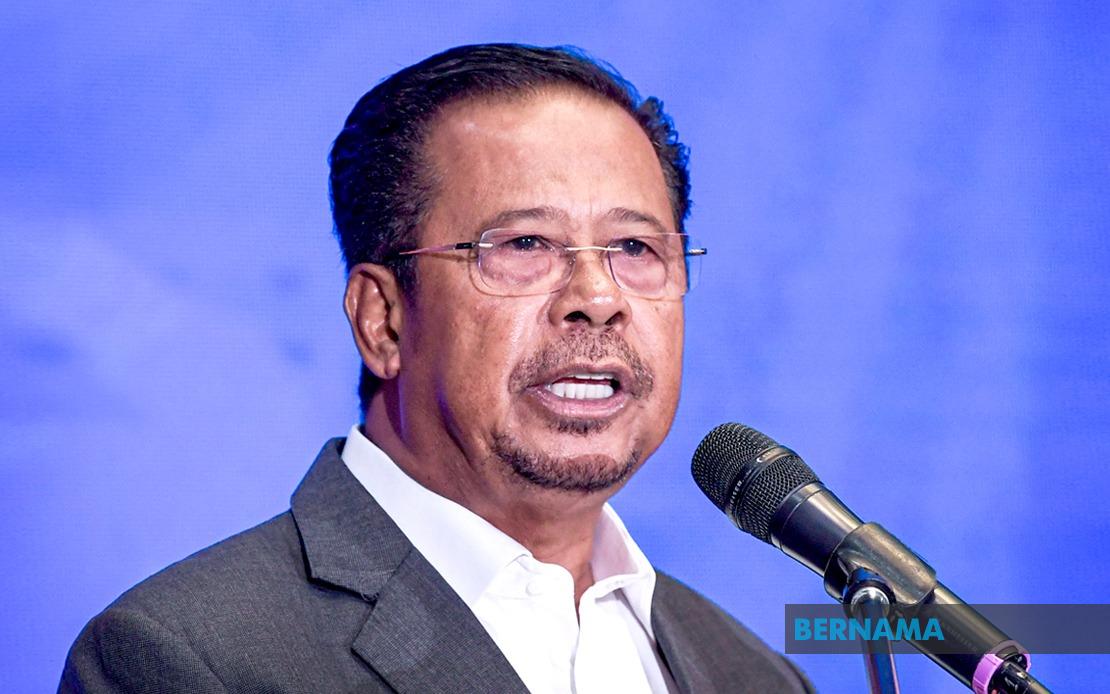
Deputy Minister of Energy Transition and Water Transformation Datuk Seri Abdul Rahman Mohamad, who chairs the steering committee of the Malaysia Energy Literacy Programme (MELP), presented the championship award to the Government team alongside a Best Debater award. His presence underscored the government's investment in channelling youth perspectives into energy policy discourse. Chief Secretary to the Government Tan Sri Dr Wan Ahmad Dahlan Abdul Aziz also attended the ceremony, indicating the seriousness with which the administration views this initiative as part of its broader energy transition messaging strategy.
The Minister's Cup Debate functions as the flagship programme within MELP 2026, an ambitious national initiative designed to systematically strengthen energy literacy across Malaysian society. Rather than rely on top-down information dissemination alone, the programme recognises that public understanding of energy issues deepens when people encounter competing perspectives and substantive debate. This pedagogical approach proves especially important in the energy sector, where decisions about resource allocation, infrastructure investment, and environmental trade-offs fundamentally shape national development trajectories over decades.
SEDA Strategic Communications director Izzad Zalman Abdul Kader articulated the rationale for involving young people in structured debate forums, emphasising that such platforms strengthen not merely factual knowledge but the capacity for critical thinking about government policies. He noted that debates enable participants to interrogate policy positions, propose alternatives, and develop the analytical skills necessary for informed citizenship around complex technical and strategic questions. For a nation seeking to deepen energy literacy across its population, creating spaces where students can meaningfully challenge and discuss policy options rather than passively receive information represents a significant pedagogical shift.
Muhammad Uwais Mohd Hazril Munir @ Umar, a 20-year-old law student at Universiti Malaya who captured the Best Debater award, highlighted how debate transforms potentially opaque technical issues into more accessible public discourse. His observation that audiences benefit from encountering arguments presented from multiple angles reflects the value of adversarial discourse in democratic deliberation. By forcing competing positions to articulate themselves with clarity and precision, debate structures make underlying assumptions and trade-offs visible to observers, supporting more informed public judgment about which policies to support.
The emphasis on renewable energy literacy reflects Malaysia's broader commitment to transitioning away from fossil fuel dependence, a process with profound implications for the nation's energy security, economic competitiveness, and environmental sustainability. However, the export question adds a layer of complexity: renewable energy infrastructure requires substantial capital investment, and decisions about whether to prioritise domestic consumption or regional sales directly affect both domestic electricity prices and Malaysia's financial returns from energy assets. This debate therefore engages fundamental questions about development priorities and resource stewardship.
Afiq Athmar Mohamed, a 21-year-old business and economics student at Universiti Malaya, characterised the competition as evidence of productive collaboration between government ministries, public agencies, and media institutions in elevating energy issues within public consciousness. He emphasised that such programming raises awareness of energy supply challenges and opportunities across demographic groups, preventing energy policy from remaining the preserve of technical experts and government officials. By positioning younger Malaysians as participants in energy policy discussions rather than passive recipients of future energy systems, the initiative cultivates a constituency equipped to understand and potentially shape Malaysia's energy trajectory.
The Malaysia Energy Literacy Programme itself represents recognition that energy transitions succeed or fail partly based on public understanding and acceptance. Established to help Malaysians grasp how energy is produced, distributed, and consumed, MELP aims to enable more responsible and sustainable decision-making around energy use at individual and household levels. When multiplied across millions of citizens making choices about consumption, efficiency investments, and support for policy changes, this distributed energy literacy can substantially influence the pace and character of transition.
For Southeast Asia more broadly, Malaysia's investment in youth engagement around energy policy carries instructive implications. Renewable energy development and regional electricity trading require political will, technical capacity, and public acceptance. By building energy literacy among university students who will occupy leadership positions across government, business, and civil society in coming decades, Malaysia positions itself to implement more ambitious energy transition policies. The debates themselves, by forcing participants to articulate the genuine tensions between competing goods—regional cooperation and domestic needs, economic benefit and environmental protection—model the kind of nuanced public conversation that mature energy policy depends upon.
The inaugural nature of this competition suggests potential for expansion, both in participation and scope. As Malaysia's energy transition accelerates and becomes increasingly complex, creating multiple platforms for substantive public engagement with energy questions will prove essential. Universities represent natural hubs for this work, given their concentration of analytical talent, convening power, and institutional infrastructure. Whether subsequent iterations of the Minister's Cup will engage other energy transition questions—grid modernisation, fossil fuel workforce transition, distributed solar adoption, or nuclear energy—remains to be seen, but the model established here demonstrates the feasibility and value of placing energy policy debates centre stage in national discourse.

