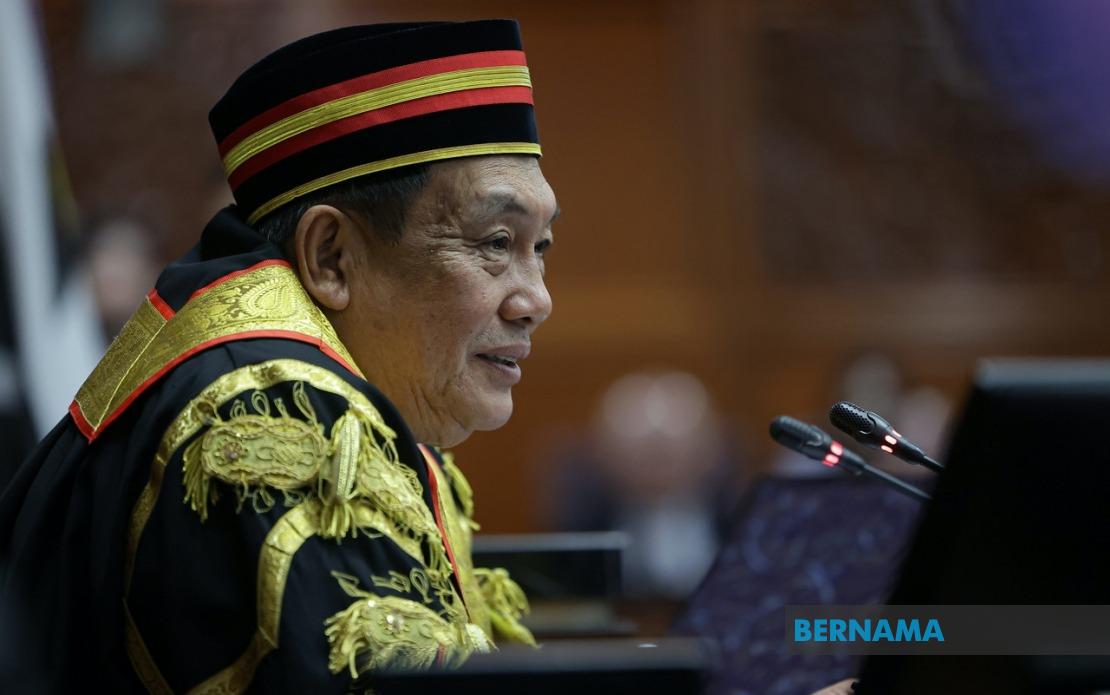
Malaysia's Youth Parliament (PBMy) represents far more than a ceremonial exercise in democratic participation. According to Dewan Negara President Datuk Awang Bemee Awang Ali Basah, it functions as a vital educational institution where young Malaysians acquire the knowledge, skills and values necessary to become engaged citizens and ethical leaders. Speaking at a Parliament Malaysia roadshow held at Universiti Malaysia Terengganu, Awang Bemee characterised the Youth Parliament as a "school of democracy" that equips the nation's emerging generation with practical experience in the workings of representative government.
The Senate president's framing of youth engagement reflects growing recognition across Southeast Asia that young people must be integrated into democratic processes rather than sidelined as passive observers. The Youth Parliament provides students with direct exposure to legislative debate, critical discourse and consensus-building—experiences that transcend what traditional classroom instruction can deliver. Participants learn not merely how Parliament functions, but how to articulate positions persuasively, absorb contrary viewpoints gracefully, and accept democratic outcomes even when they diverge from personal preferences. These competencies, Awang Bemee emphasised, represent the foundation of mature democratic citizenship and distinguish principled leadership from mere authority wielding.
Awang Bemee articulated a sophisticated conception of effective leadership that privileges listening and problem-solving over command and control. He stressed that holding office without understanding the responsibilities attached to it produces leaders lacking moral authority and institutional legitimacy. By enabling young people to experience the consequences of their positions and decisions within a structured parliamentary setting, the Youth Parliament cultivates awareness that power operates within a framework of accountability. This pedagogical approach proves particularly valuable in Malaysia's context, where society remains relatively young and generational transmission of democratic values cannot be assumed.
Complementing Parliament's traditional role as policy-maker and decision-taker, the Youth Parliament channels perspectives and priorities of younger voters into national discourse. Rather than representing competing or subordinate institutions, the two bodies operate in tandem to strengthen democratic legitimacy. When young people observe their concerns receiving attention and consideration at parliamentary level, confidence in democratic institutions deepens. This integration becomes especially important as Malaysia navigates demographic shifts and seeks to maintain civic engagement across generational lines.
Awang Bemee identified three interconnected pillars necessary for empowering young Malaysians effectively. The first emphasises openness and inclusive democracy—creating institutional and social conditions where citizens, particularly young people, can express themselves freely and know their voices receive genuine consideration. In a context of Malaysia's ethnic, religious and cultural plurality, he recognised that diversity itself constitutes an asset when undergirded by mutual understanding and respect. The capacity to bridge communal divides depends heavily on whether young people from different backgrounds encounter opportunities for dialogue and collaboration within formal democratic institutions like Parliament.
The second pillar extends educational focus beyond examination results and formal qualifications to encompass critical thinking, digital literacy, artificial intelligence comprehension, creative capability and entrepreneurial mindset. Awang Bemee recognised that technological advancement without corresponding ethical development poses risks. Young Malaysians require sophisticated understanding of how digital tools amplify both beneficial and harmful content, and how artificial intelligence reshapes economic opportunity. Furthermore, he highlighted the Blue Economy—encompassing fisheries, aquaculture, maritime tourism, renewable marine energy and coastal development—as an emerging field where young Malaysians can identify and pursue meaningful economic participation aligned with national priorities.
The third pillar addresses the relationship between freedom and responsibility, particularly regarding technology and social media. Awang Bemee articulated clear principles: freedom of speech does not extend to defamation or disinformation; sharing information requires prior verification; belief requires scrutiny; and judgment demands understanding before expression. These standards become increasingly critical as social media enables rapid, wide-scale dissemination of unverified claims that corrode democratic deliberation. By inculcating responsible technology use from youth upwards, Parliament aims to prevent the erosion of civic discourse that threatens democratic systems globally.
The "Tranung Mari! From Campus to Parliament" programme represents a deliberate bridging initiative between Malaysia's higher education sector and its legislative institutions. Universities constitute natural incubators for democratic engagement, where young people encounter diverse viewpoints and develop analytical capacity. By bringing parliamentary structures and senior legislators directly to campuses, the initiative demystifies Parliament and creates pathways for student participation. The forum titled "Malaysian Youth: Drivers or Spectators?" framed participation as an active choice, inviting students to consider their capacity and obligation to shape national outcomes rather than passively accepting them.
Awang Bemee's vision positions young Malaysians as potential bridge-builders across communal and ideological divides. This framing addresses a genuine challenge facing plural societies: sustaining social cohesion across competing identities and interests. When young people develop relationships and shared commitments through parliamentary participation, they acquire experiential understanding that peaceful coexistence remains possible and desirable. The capacity to build consensus, accommodate disagreement and work toward collective solutions depends heavily on whether young Malaysians have practiced these skills within structured environments before confronting them in broader society.
The roadshow initiative reflects Parliament Malaysia's strategic decision to cultivate informed, responsible citizenship beginning within the higher education system. By engaging students directly and creating pathways for ongoing participation, Parliament signals that young Malaysians possess legitimate standing in democratic deliberation. This approach acknowledges that governance legitimacy ultimately rests on whether citizens—particularly younger cohorts who will carry democratic institutions forward—believe those institutions deserve their trust and engagement.
The programme's emphasis on integrity, responsibility and informed participation addresses particular vulnerabilities of young people to manipulation through misinformation and extremism. By providing positive frameworks for political engagement while simultaneously developing critical media literacy and ethical reasoning, Parliament aims to inoculate students against dangerous alternatives. The institutional investment in youth democracy thus serves broader national interests in social stability, economic opportunity and peaceful democratic transition across generations.

