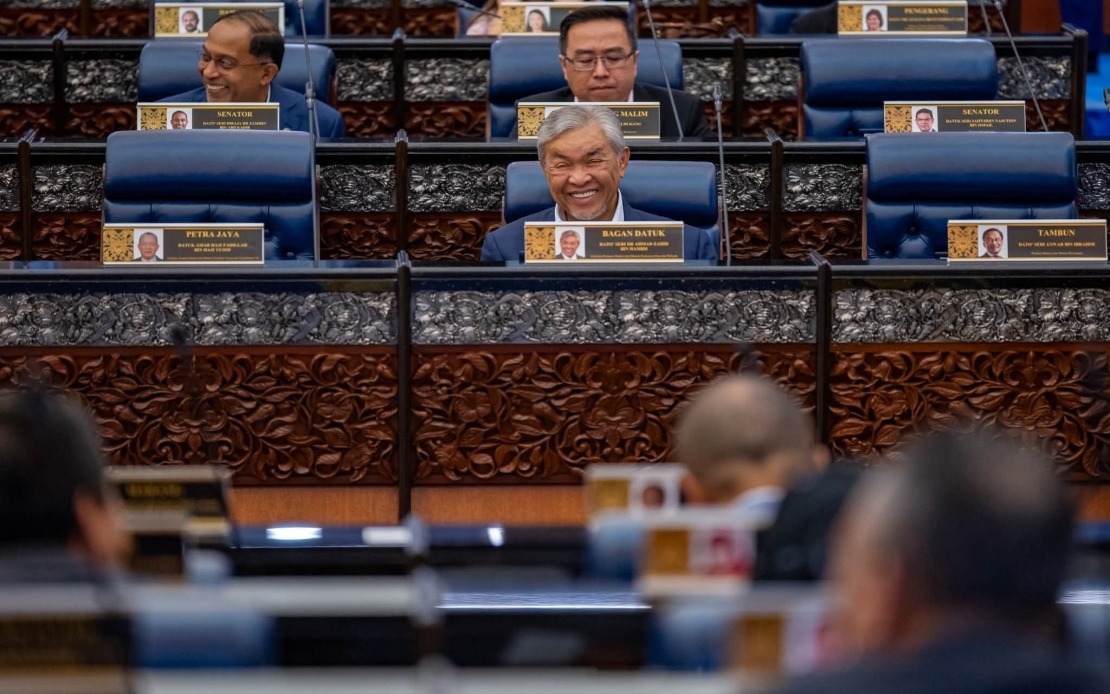
Deputy Prime Minister Datuk Seri Dr Ahmad Zahid Hamidi has underscored the importance of channelling constructive criticism of Lembaga Tabung Haji into tangible remedial measures, arguing that such an approach is essential to maintaining confidence in one of Malaysia's most significant Islamic financial institutions. Speaking in the wake of a parliamentary session dedicated to examining findings from a Royal Commission of Inquiry into the organisation, Zahid stressed that criticism without follow-through action risks undermining public trust and perpetuating unnecessary controversy surrounding the institution.
The statement reflects broader concerns about Tabung Haji's operational challenges, which came to light following the government's decision to publicly release the RCI report on July 29. The inquiry, which scrutinised management practices between 2014 and 2020, identified substantial weaknesses in how the organisation was administered during that critical period. Rather than allowing findings to dissipate into political debate without concrete outcomes, Zahid's remarks signal an expectation that all stakeholders—from policymakers to institutional leadership—must translate identified problems into meaningful improvements.
As Rural and Regional Development Minister alongside his deputy prime ministerial role, Zahid positioned himself as an advocate for systemic reform. He noted that Parliament had been afforded a formal opportunity to thoroughly debate, clarify, and address all aspects of the RCI report during the special Dewan Rakyat sitting. This platform, he suggested, represented a structured mechanism through which Malaysia's elected representatives could examine governance issues and demand accountability without resorting to unsubstantiated claims or inflammatory rhetoric.
The RCI investigation yielded 25 specific recommendations aimed at strengthening Tabung Haji's operational framework and governance standards. By late July, the organisation had already implemented approximately 75 per cent of these suggestions, indicating a degree of responsiveness to identified deficiencies. However, Zahid's intervention suggests that implementation progress alone may be insufficient if public discourse remains dominated by unfounded allegations or perception-based criticism lacking evidentiary foundation. His call for restraint appears designed to redirect parliamentary and public attention toward evidence-based scrutiny rather than speculative commentary.
The timing of Zahid's statement carries significance within Malaysia's political context, where Tabung Haji holds particular resonance as a trusted institution serving millions of Malaysian Muslims. The organisation manages hajj savings and investments for pilgrims seeking to perform the Islamic pilgrimage, making its financial stability and ethical governance matters of considerable religious and social importance. Controversies surrounding its management can shake confidence among beneficiaries and the broader Muslim community, potentially affecting participation rates and long-term savings commitments.
The DPM's appeal for wisdom and sincerity in addressing outstanding issues reflects acknowledgment that Tabung Haji's credibility extends beyond mere financial metrics to encompass moral dimensions central to Islamic institutional practice. He framed the need for responsible action within a broader religious context, invoking prayers for guidance in resolving matters in the interests of the ummah and the nation. This framing underscores that reform efforts must be motivated by genuine commitment to institutional integrity rather than political point-scoring.
Parliament's special sitting provided the formal mechanism through which concerns identified in the RCI report could be subjected to legislative scrutiny and debate. By creating this structured forum, the government acknowledged the legitimate role of elected representatives in examining institutional governance while simultaneously providing an opportunity to move beyond rumour-based criticism. Zahid's remarks suggest an expectation that this opportunity should be utilised constructively, with parliamentarians focusing on substantive examination of findings rather than engaging in rhetorical excess disconnected from factual evidence.
The distinction Zahid drew between constructive criticism and unfounded allegations speaks to a broader challenge facing Malaysian governance: maintaining credible institutional accountability while preventing debates from devolving into partisan disputes or unverified claims. For Tabung Haji specifically, this balance proves particularly delicate given the organisation's role in safeguarding savings for millions of Malaysian Muslims and its symbolic importance within the Islamic community.
Moving forward, the effectiveness of reform efforts at Tabung Haji will likely depend on sustained implementation of RCI recommendations coupled with transparent communication regarding progress. Zahid's intervention suggests the government views institutional rehabilitation as a shared responsibility extending across Parliament, the executive, and the organisation itself. This collaborative approach, if executed with genuine commitment to improvement rather than mere management of political optics, could help restore full public confidence in an institution whose legitimacy depends not merely on financial performance but on demonstrated adherence to Islamic ethical principles and Malaysian standards of corporate governance.

