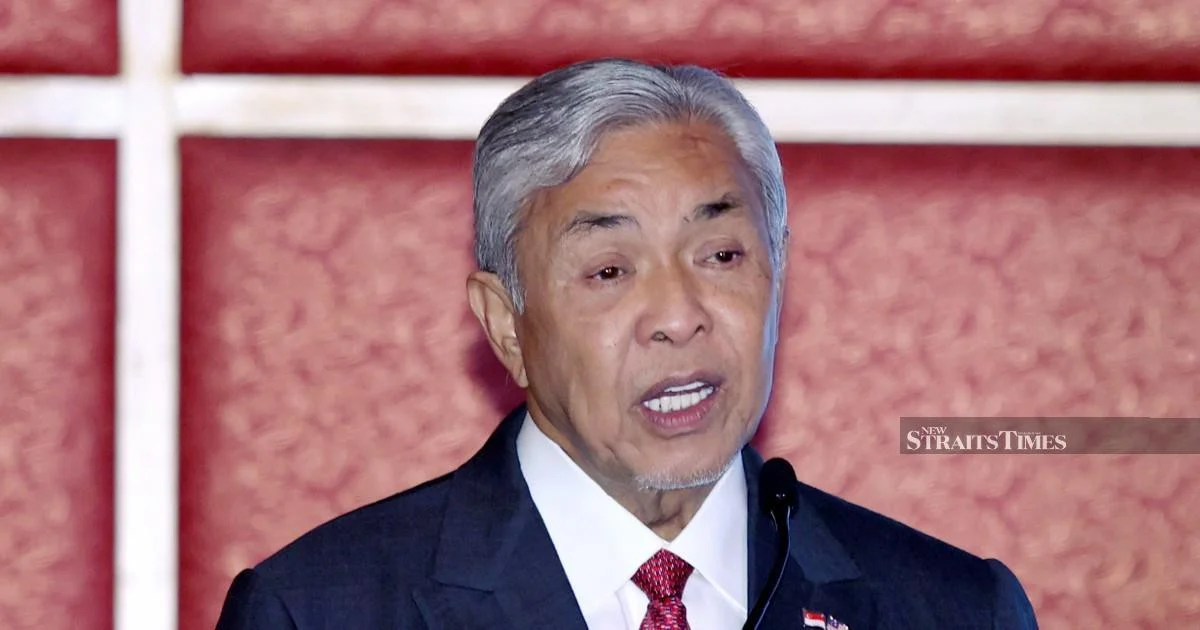
Umno president Datuk Seri Dr Ahmad Zahid Hamidi has categorically denied that his party has reached any arrangement with Pas concerning seat negotiations for the Negri Sembilan state election, effectively countering speculation about a potential coalition understanding between the two Islamist-leaning parties.
The denial comes amid ongoing speculation about the composition of electoral arrangements in Negri Sembilan, where both Umno and Pas maintain significant support bases. Coalition-building exercises ahead of state elections typically involve intricate negotiations over seat allocations, and suggestions of backdoor discussions between the two parties had circulated within political circles. Zahid's statement represents a clear attempt to distance Umno from any perception of pre-arranged understandings with Pas, signalling that any future collaboration would need to be openly negotiated and formally concluded.
The rejection of seat-sharing claims holds particular significance given the evolving landscape of Malaysian politics, where Umno and Pas—both rooted in similar support demographics—have occasionally found themselves in competition rather than collaboration. The federal government's political composition continues to shape state-level dynamics, and the manner in which Umno positions itself relative to Pas carries implications for both parties' broader strategic objectives across multiple state assemblies.
Negri Sembilan, being a state with considerable economic importance and a moderately sized electorate, often serves as a testing ground for coalition mechanics. The state's political balance has traditionally leaned towards Umno-led formations, though recent electoral cycles have demonstrated the capacity for shifts in voter preference and coalition composition. Zahid's unambiguous statement appears designed to prevent the narrative from suggesting that Umno operates through back-channel arrangements rather than transparent processes.
For Pas, which has been seeking to expand its political footprint beyond traditional strongholds in the northern and eastern regions, such denials may complicate its positioning strategy. The party's electoral calculations often hinge on securing reasonable seat allocations and demonstrating to supporters that its negotiating power remains credible at the state level. However, explicit rejections of seat-sharing discussions from coalition partners can either strengthen Pas's negotiating position by demonstrating voter demand or weaken it by suggesting other parties view collaboration as unnecessary.
Umno's statement also reflects broader calculations about electoral mathematics and voter sentiment. By asserting no predetermined arrangements, Umno appears to be signalling that it will contest Negri Sembilan on its own terms and merits, potentially appealing to voters who view Umno as a independent political force capable of delivering results without depending on coalition partners. This narrative holds particular weight in states where Umno historically commanded dominant positions.
The timing of such denials typically correlates with the proximity of election announcements. Once official dates are set, coalition negotiations typically accelerate dramatically, and parties begin making public announcements about their respective positions. Zahid's preemptive statement may be aimed at controlling the narrative before formal negotiations commence, allowing Umno to establish parameters about how it will approach discussions with potential allies.
Political observers in Malaysia will likely interpret this statement as part of standard pre-election positioning, where parties maintain flexibility while projecting strength to their respective support bases. The language of denial—emphasizing the absence of agreement rather than the absence of discussions—preserves room for future negotiations while preventing any appearance of subordination to Pas.
For Malaysian voters following state-level politics, such statements underline the fluid nature of coalition building at the subnational level. Unlike federal arrangements, which tend to crystallise into more stable formations, state elections frequently see shifting alliances and repositioning as parties attempt to optimise their electoral prospects in different contexts. Negri Sembilan's political configuration will ultimately depend on how negotiations develop in the coming weeks or months, regardless of current public denials.
Zahid's clarification also touches on broader questions about the future of Umno's political trajectory. As the party navigates between its traditional base, younger voters, and potential coalition partners, each state election becomes an opportunity to recalibrate messaging and positioning. The Negri Sembilan election, whenever it materialises, will provide insights into how effectively Umno can manage its own campaign alongside questions about wider federal political arrangements.

