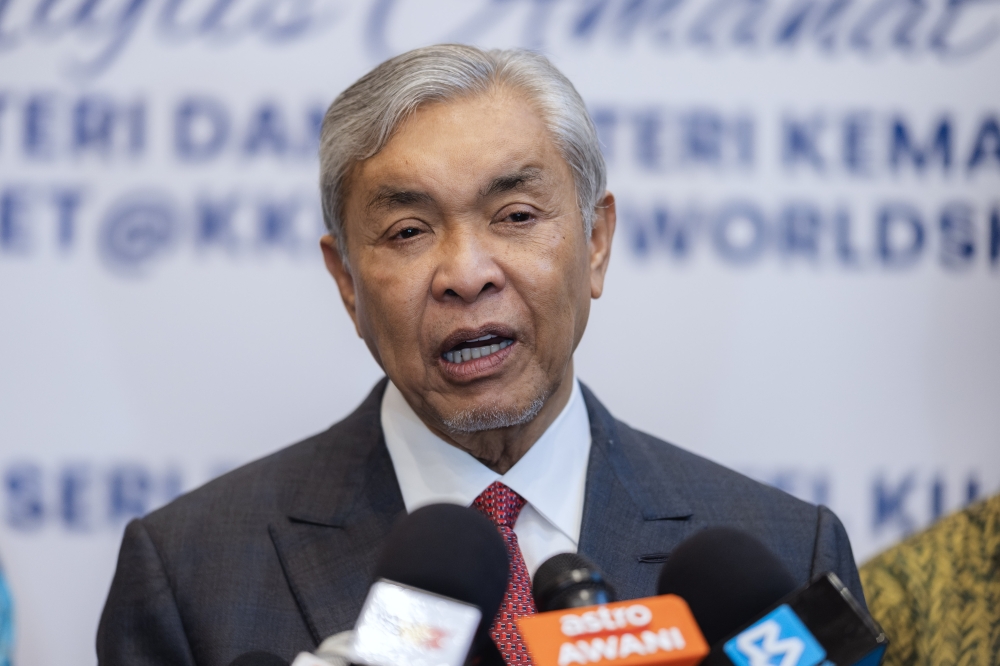
Deputy Prime Minister Datuk Seri Dr Ahmad Zahid Hamidi has committed to financing umrah pilgrimages for trainees from Malaysia's Technical and Vocational Education and Training (TVET) sector who achieve gold medals at the WorldSkills competition, marking a significant gesture towards incentivising excellence in technical skills development. The initiative reflects the government's growing emphasis on recognising and rewarding outstanding performance among young professionals entering the skilled trades and technical sectors. This pledge underscores the administration's understanding that TVET pathways represent a vital alternative to traditional university education, particularly as Southeast Asia grapples with skills shortages across manufacturing, construction, hospitality, and digital sectors.
WorldSkills is the world's largest biennial vocational training competition, bringing together tens of thousands of competitors from over 60 countries to demonstrate expertise in more than 50 different trades and professions. The event serves as a benchmark for technical excellence and provides participants with international exposure to industry standards and best practices. Malaysia has participated in WorldSkills for decades, consistently producing medal winners across categories ranging from welding and electrical installation to information technology and customer service. The competition has become increasingly important for developing nations seeking to build competitive workforces capable of meeting global manufacturing and service standards.
Zahid's announcement reflects a broader policy shift within Malaysia's government towards elevating the status and attractiveness of TVET pathways. Historically, Malaysia's education system has emphasised university-level credentials, leading many families to view technical and vocational training as a less prestigious option. This cultural perception has contributed to skills gaps in critical sectors, forcing many employers to rely on foreign workers for positions that could otherwise be filled by local talent. By introducing an appealing incentive such as sponsored umrah—a religious pilgrimage with deep spiritual significance for Muslims comprising approximately 70 percent of Malaysia's population—the government seeks to reframe TVET excellence as genuinely prestigious and worthy of public celebration.
The umrah sponsorship carries symbolic weight within Malaysian society. Umrah, the lesser pilgrimage to Mecca, is a religious duty for Muslims and a deeply cherished aspiration for many who may face financial constraints in meeting this obligation independently. By tying umrah sponsorship to WorldSkills gold medals, the government effectively positions technical excellence as a path toward personal religious fulfilment, thereby appealing to values that resonate profoundly within Malaysian Muslim communities. This approach demonstrates sophisticated understanding of how incentives must align with cultural priorities to achieve genuine behavioural change among young people and their families when considering career pathways.
MALAYSIA's participation in WorldSkills carries broader economic implications for the Southeast Asian region. As manufacturing bases shift throughout Asia and reshoring trends accelerate, countries with highly skilled technical workforces command significant competitive advantages. Nations like Singapore and South Korea have invested heavily in elevating vocational education, directly contributing to their ability to attract high-value manufacturing and advanced services. Malaysia's historical underinvestment in TVET positioning relative to academic pathways has somewhat constrained its competitiveness in sectors requiring specialised technical expertise. Zahid's initiative, while primarily symbolic, suggests government recognition that this imbalance requires correction through multiple levers including incentives, prestige-building, and broader systemic support.
The pledge also carries implications for other ASEAN economies facing similar structural challenges. Thailand, Indonesia, and Vietnam all grapple with balancing TVET development against cultural preferences for university credentials. Malaysia's approach of combining government sponsorship with religious incentives offers a template that other Muslim-majority nations in the region might adapt to their own contexts and values systems. As regional governments increasingly recognise that economic development depends on skilled technical workforces, creative incentive mechanisms become important policy tools for shifting educational choices at the population level.
Implementation of Zahid's pledge will require coordination across multiple government agencies including the Ministry of Human Resources, technical colleges and polytechnics across states, and religious authorities managing umrah arrangements. Clear criteria for determining eligible winners, transparent selection processes, and logistical arrangements for organising and financing pilgrimages will need careful planning. The government must ensure that the incentive operates fairly across Malaysia's diverse regions, including less developed areas where TVET enrolment may be lower but where potential for technical talent remains substantial. Success will depend on how effectively the announcement translates into concrete programmes that reach prospective TVET trainees before they make educational pathway decisions.
The financial commitment, while substantial, remains difficult to quantify without knowing how many Malaysian TVET participants typically win WorldSkills gold medals annually. Historical data suggests Malaysia secures several medals at each competition, though gold medals represent a small fraction of total medals won. If the government's track record continues, the annual budgetary impact may be modest, making this pledge financially manageable while maintaining symbolic significance. However, should the initiative successfully encourage greater participation and higher performance among Malaysian TVET competitors—the presumed objective—the financial obligation could grow substantially over time, requiring sustained commitment from successive administrations.
Zahid's announcement arrives amid broader government emphasis on enhancing Malaysia's competitiveness as global supply chains fragment and reshoring accelerates. The pandemic exposed vulnerabilities in Malaysia's reliance on certain sectors and labour categories, prompting recalibration of industrial strategy. TVET development represents a cornerstone of this recalibration, alongside investments in Industry 4.0 capabilities and digital skills. By publicly committing government resources to recognising TVET excellence, Zahid signals that vocational pathways genuinely merit elevation within national discourse, potentially influencing parental perceptions and student aspirations across socioeconomic groups.
Looking forward, the success of this initiative will depend partly on whether it catalyses broader systemic improvements in TVET funding, instructor quality, and industry partnerships. A standalone incentive programme, however generously funded, cannot overcome structural obstacles including outdated curriculum content, inadequate workshop facilities, or limited employer engagement in training design. Malaysia's most successful TVET competitors typically emerge from institutions enjoying strong industry partnerships, regular equipment updates, and instructors with current practical experience. Zahid's pledge should ideally accompany complementary investments in these foundational elements across Malaysia's technical college network, ensuring that incentives for excellence rest on a foundation of genuine institutional capacity.

