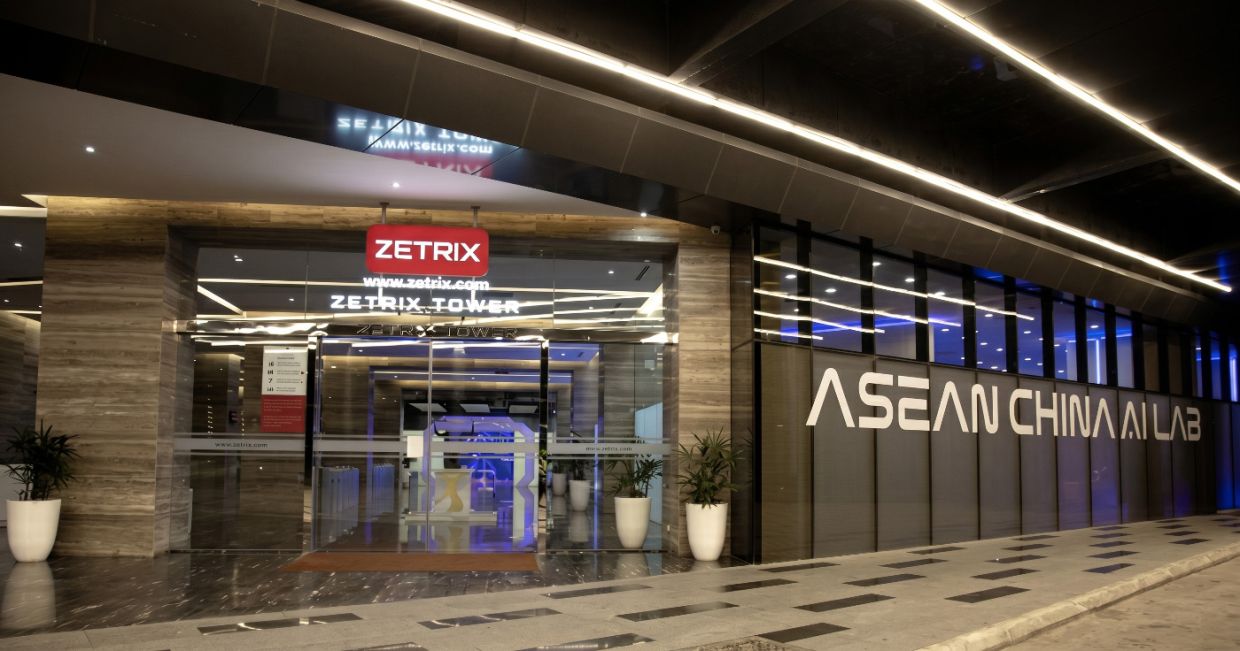
Technology firm Zetrix AI Bhd has moved swiftly to extinguish speculation linking it to recent corruption allegations against Datuk Seri M. Saravanan, the former human resources minister, after the company's share price experienced a severe downturn that rattled investors and raised questions about the source and nature of the market activity.
The clarification came in response to an official unusual market activity query issued by Bursa Malaysia Securities Bhd, Malaysia's exchange operator. In its filing, Zetrix AI unequivocally stated that it bore no connection to the three graft charges filed against Saravanan at the Sessions Court on August 28. Those charges centre on alleged irregularities in the approval and processing of foreign worker quotas, a matter of significant sensitivity in Malaysia given ongoing discussions around immigration policy and labour market management. The company asserted there was no factual basis for any association between itself and the former minister's legal troubles.
What makes this situation particularly noteworthy is the absence of any disclosed corporate transaction or announcement from Zetrix AI that might otherwise explain the sudden trading surge. In its response to Bursa Malaysia, the company noted that following comprehensive enquiries with its board of directors, principal shareholders, and other stakeholders, no undisclosed corporate developments—whether active negotiations, proposed acquisitions, or other material developments still in discussion stages—were identified as potential catalysts for the unusual activity. This absence of concrete company news suggests that external factors and rumour-driven trading may have been the primary drivers of market movement.
The stock's performance on the day in question painted a stark picture of investor panic. Zetrix AI shares hit the lower price limit during Friday's session, dropping 30 sen and losing half their value to close at 29.5 sen. Extraordinarily high volumes characterised the trading, with approximately 1.05 billion shares changing hands—a figure that dwarfs typical daily turnover and indicates substantial investor capitulation or forced selling. Such dramatic moves often reflect loss of confidence, whether justified or not, and can take considerable time to reverse if the underlying concerns prove unfounded.
The broader implications of this incident extend beyond the individual company. It highlights how political controversies, particularly those involving senior government figures and sensitive policy areas such as foreign labour management, can create spillover effects in the corporate sector. For Malaysian investors, it underscores the importance of distinguishing between genuine corporate risks and market sentiment driven by extraneous factors. The rapid dissemination of unverified information across digital platforms and trading communities can amplify volatility, particularly among stocks with smaller market capitalizations that may be more susceptible to sudden shifts in sentiment.
Zetrix AI's categorical denial in its exchange filing represents a standard corporate response to market speculation, yet the severity of the share price collapse suggests the market may have been responding to more than mere rumour. The company's explicit statement that it was unaware of any possible explanation for the trading activity—beyond the speculation linking it to Saravanan's case—raises questions about whether additional information or context was circulating in investment networks that prompted the selling pressure. Such dynamics are not uncommon in Malaysia's equity markets, where retail investor participation remains significant and informal information networks can move share prices ahead of official announcements.
For Zetrix AI shareholders, the challenge now lies in assessing whether the stock's new valuation at 29.5 sen represents fair value or an overcorrection driven by panic selling and misplaced concern. The company's emphasis that it had no involvement whatsoever with the foreign worker quota matter or with Saravanan suggests the correlation between the minister's legal troubles and Zetrix AI's business remains tenuous. However, rebuilding investor confidence after such a dramatic selloff typically requires more than a single clarifying statement; the market will likely demand sustained evidence that the company's operations, financial performance, and growth prospects remain intact.
The timing of the corruption charges against Saravanan, announced on August 28, coincided with the market activity, suggesting that news of his legal jeopardy prompted investors to scrutinise their holdings across the technology and employment services sectors. Such sector-wide or correlation-based selling can catch unrelated companies in its crossfire, particularly when investor due diligence lags behind market sentiment. Malaysian regulators through Bursa Malaysia have appropriately applied disclosure requirements and transparency standards by demanding an explanation from Zetrix AI, demonstrating the exchange's commitment to maintaining market integrity during episodes of unusual trading.
Moving forward, Zetrix AI will need to restore market confidence through consistent execution and transparent communication with investors. The company's cooperation with regulatory inquiries and prompt clarification of unfounded rumours represents a sound approach, yet deeper investor concerns about market sentiment and trading mechanics may persist. For the broader investment community in Malaysia and the region, this incident serves as a reminder of the importance of verifying information sources before making trading decisions and the potential for market volatility to disconnect temporarily from underlying fundamentals. Regulatory oversight remains essential in protecting investor interests and maintaining orderly market function during periods of heightened speculation and uncertainty.

