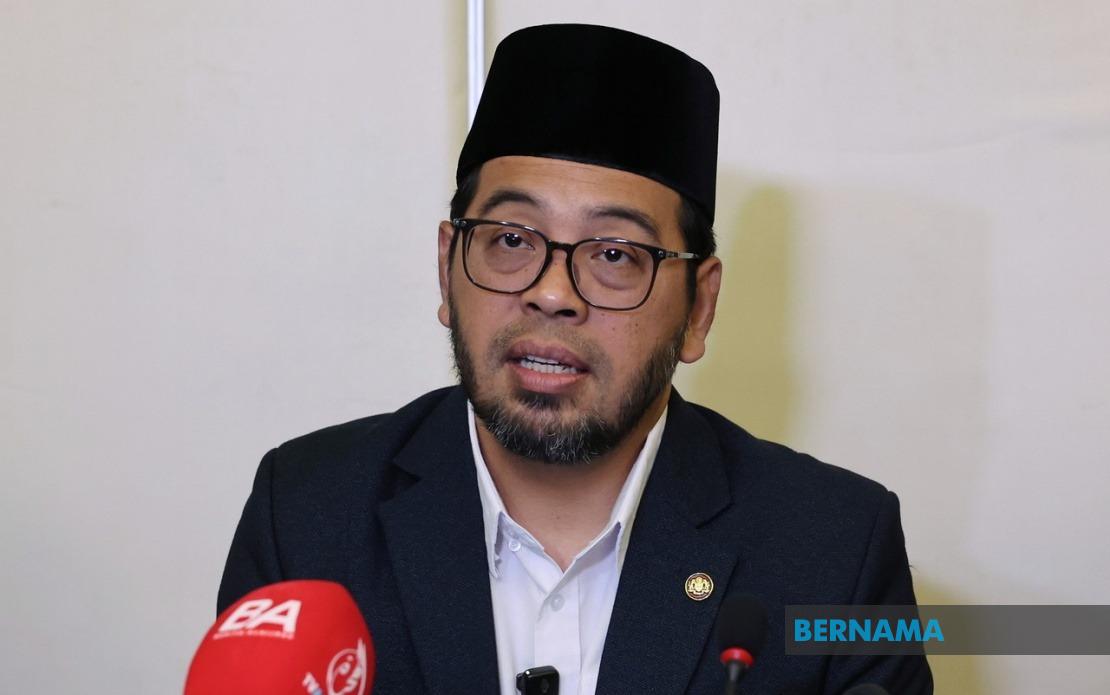
Religious Affairs Minister Dr Zulkifli Hasan will deliver a ministerial briefing tomorrow to the Dewan Rakyat on the Royal Commission of Inquiry report into Lembaga Tabung Haji's management and operational practices spanning 2014 to 2020. The special parliamentary sitting, commencing at 10 am, marks a significant moment for legislative scrutiny of the Islamic pilgrimage fund's governance following months of public concern about its financial stewardship and institutional oversight.
The 211-page RCI report, made public on July 29 after Cabinet decided its findings warranted full disclosure, will form the centrepiece of parliamentary debate. Dr Zulkifli and Finance Minister II Datuk Seri Amir Hamzah Azizan will jointly wind up the discussion, indicating coordinated government messaging on the inquiry's conclusions and recommended remedial measures.
Parliament's engagement with the Tabung Haji inquiry reflects mounting public interest in how the pilgrim fund—a critical institution managing savings for Malaysian Muslims undertaking the Hajj pilgrimage—operated during a turbulent period marked by substantial investment losses and governance questions. The deliberate decision to release the full report rather than withhold sensitive findings demonstrates the government's commitment to institutional transparency, a notable shift from previous approaches to sensitive government inquiries.
Dr Zulkifli indicated in a brief media statement that Cabinet intends to pursue accountability measures against individuals implicated in the RCI findings. While his statement offered no specifics regarding potential charges, dismissals, or disciplinary action, the government's explicit commitment to consequences signals that the inquiry will not conclude with mere administrative acknowledgment. This approach carries implications for corporate governance standards across Malaysia's state-linked entities and statutory bodies, many of which manage substantial public resources with varying degrees of external oversight.
The breadth of parliamentary participation demonstrates genuine legislative interest in the matter. Communications Minister Datuk Seri Fahmi Fadzil noted that at least 40 MPs had registered to contribute to debate, suggesting cross-party concern about Tabung Haji's institutional management and broader questions about regulatory frameworks governing Islamic financial institutions. This level of parliamentary engagement provides an opportunity for constructive scrutiny of both the RCI's investigative scope and its recommendations for institutional reform.
Tabung Haji's circumstances represent a cautionary case study for Malaysian policymakers overseeing statutory authorities. As custodian of billions of ringgit in pilgrim savings accumulated over decades, the institution's financial deterioration carries real consequences for ordinary Malaysians planning their religious obligations. The RCI examination of operational management between 2014 and 2020 encompasses a period during which global market volatility, domestic economic pressures, and internal decision-making intersected to produce significant institutional challenges.
The parliamentary briefing will likely explore the RCI's assessment of investment strategy decisions, internal control mechanisms, board oversight effectiveness, and management accountability during the critical period examined. Understanding how institutional governance failed—or how external market conditions overwhelmed internal safeguards—remains essential for policymakers designing protective frameworks for comparable entities managing public wealth.
Beyond immediate institutional consequences, the parliamentary debate presents an opportunity to address systemic questions about statutory body governance across Malaysia's public sector landscape. How other state-linked entities monitor investment portfolios, how boards exercise fiduciary responsibility, and how regulatory authorities supervise institutional management merit examination through the Tabung Haji lens. These principles apply equally to entities in diverse sectors, from energy and telecommunications to finance and healthcare.
The government's commitment to actionable consequences signals that the RCI process will extend beyond investigative reporting into implementation of recommendations and actual accountability. This distinction matters considerably; inquiries producing reports shelved without follow-up generate public cynicism and undermine faith in institutional reform mechanisms. The explicit ministerial commitment to Cabinet-endorsed action suggests more systematic remedial intentions.
Parliament's role in scrutinizing the RCI report reflects the legislature's constitutional responsibility for government oversight and institutional accountability. The special sitting provides MPs opportunity to probe specific findings, question government responses, and advocate for affected stakeholders—including millions of Malaysian Muslim pilgrims whose accumulated savings depend on sound institutional stewardship. This democratic accountability function represents a check on executive power and bureaucratic discretion.
The parliamentary discussion will also shape public understanding of what transpired within Tabung Haji and what safeguards might prevent similar institutional challenges elsewhere. Media coverage, ministerial explanations, and parliamentary questioning provide avenues for public education about statutory body governance, investment prudence, and institutional accountability mechanisms.
Moving forward, attention will focus on whether Cabinet-endorsed action translates into concrete institutional consequences, whether RCI recommendations receive legislative implementation, and whether Tabung Haji's governance reforms actually prevent future deterioration. These practical outcomes will ultimately determine whether the inquiry process genuinely advances institutional accountability or becomes another administrative exercise producing minimal tangible change.

