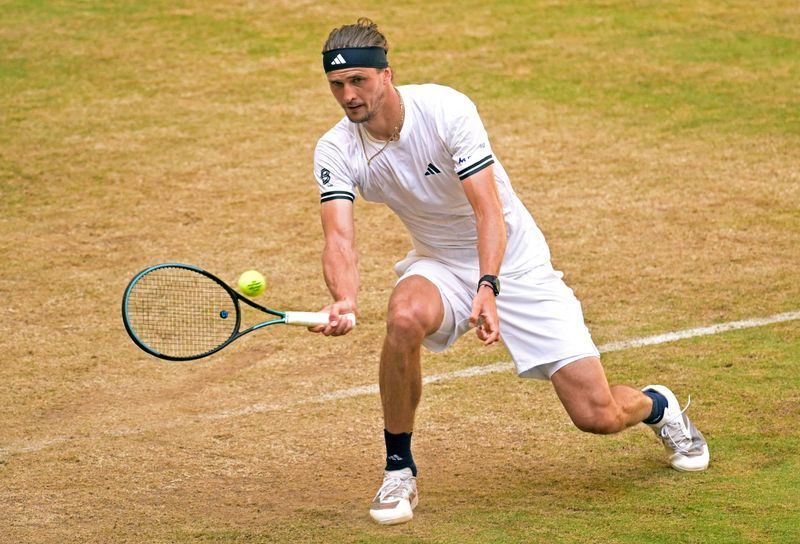
Alexander Zverev's unexpected defeat in the Halle Open semi-final on Saturday has been attributed by the German tennis champion to a technical failure in his glucose monitoring equipment. The world number three fell to American Taylor Fritz in a three-set match that lasted two hours and 39 minutes, losing 6-7(4) 6-4 7-5 in a result that upset his title preparations heading into the grass-court season.
Zverev, who carries the distinction of being a former French Open champion, entered the Halle semi-final facing an unfavourable head-to-head record against his opponent. The American has dominated their recent encounters, claiming victory in their previous six meetings before Saturday's encounter, giving Fritz considerable momentum coming into the match.
In the post-match analysis, Zverev detailed the specific nature of the equipment failure that he believes undermined his performance. The sensor he relies upon to monitor blood glucose levels provided readings that were substantially inverted—indicating dangerously high values when his actual glucose concentration was critically low. Acting on these erroneous readings, he administered far more insulin than his physiological situation warranted, creating a compounding medical problem during competition.
The consequences of this miscalculation became evident during the opening stages of play. Over the course of the first 45 minutes, Zverev was forced to consume approximately 350 grams of sugar in an attempt to counteract the insulin overdose and stabilise his blood chemistry. This extraordinary intake of glucose and the accompanying physical distress significantly compromised his capacity to perform at elite levels.
Despite these considerable difficulties, Zverev demonstrated sportsmanship in acknowledging that Fritz's victory was deserved on merit. While he fought throughout the encounter and exerted maximum effort despite his physical discomfort, he recognised that his opponent's superior play on the day determined the outcome. This magnanimous response reflects the character of an athlete managing a serious chronic condition while competing at the highest echelons of professional sport.
Zverev's reliance on glucose monitoring technology is fundamental to his diabetes management strategy. Since receiving a Type 1 diabetes diagnosis at just four years of age, he has navigated the complexities of competitive athletics while maintaining the careful medical balance this condition demands. His adoption of Medtronic glucose sensors represents a significant technological advancement in diabetes care, enabling real-time monitoring that supports both on-court performance and general wellness.
The scale of this particular sensor failure carries considerable significance for Zverev. His personal medical history with this monitoring system extends back approximately nine years, from around 2016 or 2017. In that extensive period of continuous use, he has never encountered a malfunction of comparable magnitude. The sensor's complete inversion of glucose readings—providing precisely the opposite information from reality—represents an unprecedented failure in his experience with the technology.
Zverev's resilience as an athlete managing a chronic illness has long been recognised in the tennis community and beyond. His ability to sustain a top-three world ranking while navigating the constant demands of glucose management demonstrates exceptional discipline and medical awareness. The Halle defeat, while disappointing, occurred under exceptional circumstances that would have challenged any competitor, regardless of their physical condition.
Looking ahead, Zverev has expressed confidence that the Halle equipment failure will not impact his preparation for Wimbledon, which commences on June 29 and extends through July 12. The grass-court Grand Slam represents one of the year's premier competitions, and the German champion will approach the tournament with his monitoring equipment thoroughly reviewed and tested. This forward-looking perspective suggests the incident, while significant, has not shaken his confidence in either the technology or his capacity to manage his condition effectively at the season's most important events.
The situation underscores the intricate relationship between modern medical technology and elite athletics, particularly for competitors managing chronic conditions. Zverev's willingness to publicly discuss his diabetes and his reliance on technological solutions has contributed meaningfully to broader conversations about disability inclusion in professional sport. His continued competition at the highest level while managing Type 1 diabetes serves as inspiration for athletes worldwide facing similar medical challenges.
%22%2F%3E%3C%2Fpattern%3E%3C%2Fdefs%3E%3Crect%20width%3D%22100%25%22%20height%3D%22100%25%22%20fill%3D%22url(%23ph3fy3lg)%22%2F%3E%3Crect%20width%3D%22100%25%22%20height%3D%22100%25%22%20fill%3D%22url(%23ph3fy3lp)%22%2F%3E%3Ctext%20x%3D%2250%25%22%20y%3D%2250%25%22%20text-anchor%3D%22middle%22%20dominant-baseline%3D%22central%22%20fill%3D%22rgba(255%2C255%2C255%2C0.95)%22%20font-family%3D%22Georgia%2C%20'Times%20New%20Roman'%2C%20serif%22%20font-weight%3D%22700%22%20font-size%3D%22226%22%20letter-spacing%3D%22-0.02em%22%3EMosque%3C%2Ftext%3E%3C%2Fsvg%3E)
%22%2F%3E%3C%2Fpattern%3E%3C%2Fdefs%3E%3Crect%20width%3D%22100%25%22%20height%3D%22100%25%22%20fill%3D%22url(%23ph1dbreg)%22%2F%3E%3Crect%20width%3D%22100%25%22%20height%3D%22100%25%22%20fill%3D%22url(%23ph1dbrep)%22%2F%3E%3Ctext%20x%3D%2250%25%22%20y%3D%2250%25%22%20text-anchor%3D%22middle%22%20dominant-baseline%3D%22central%22%20fill%3D%22rgba(255%2C255%2C255%2C0.95)%22%20font-family%3D%22Georgia%2C%20'Times%20New%20Roman'%2C%20serif%22%20font-weight%3D%22700%22%20font-size%3D%22151%22%20letter-spacing%3D%22-0.02em%22%3EMalaysian%3C%2Ftext%3E%3C%2Fsvg%3E)