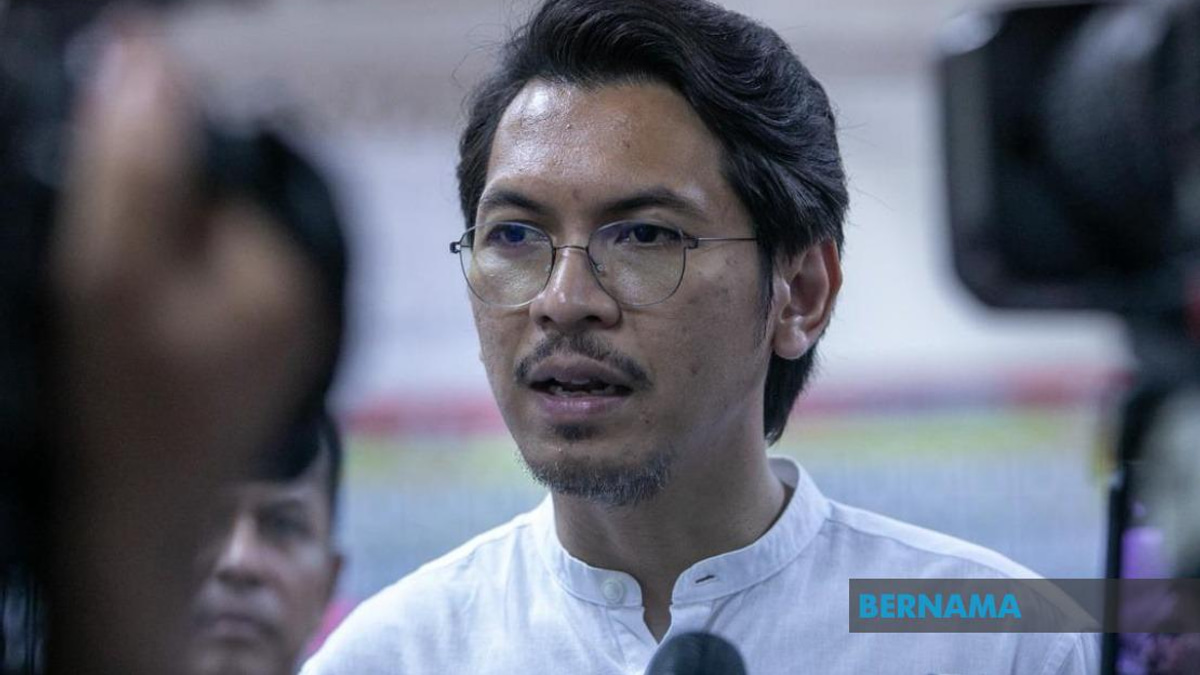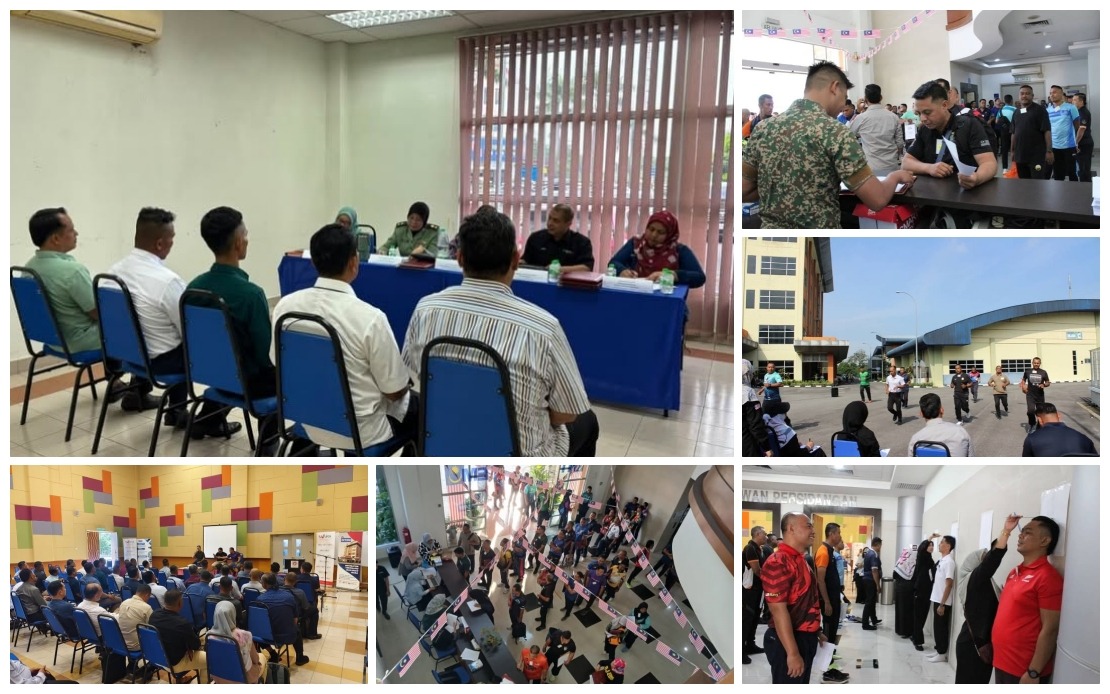
MARA has progressed with its recruitment drive for full-time external wardens at MARA Junior Science Colleges (MRSM), with 147 candidates drawn from the military community completing physical interview assessments last week at the MARA Food Technology Incubator in Kepong, Kuala Lumpur. According to MARA Chairman Datuk Dr Asyraf Wajdi Dusuki, the sessions held on consecutive days represented the culmination of an intensive screening process that had already eliminated many applicants in earlier rounds.
The selection mechanism deployed by MARA reflects the organisation's commitment to appointing wardens who meet stringent fitness and professional standards. All 147 candidates who attended the interviews had previously cleared two phases of online screening, demonstrating that they had already satisfied preliminary qualification criteria before advancing to the physical assessment stage. This multi-layered vetting approach ensures that only the most suitable individuals from the military background are considered for these critical residential positions.
The interview process itself comprised three distinct assessment components designed to evaluate different dimensions of fitness and suitability. Candidates underwent Body Mass Index screening to establish baseline physical health metrics, completed the Bleep Test to assess cardiovascular endurance and aerobic capacity, and participated in face-to-face interviews where assessors could evaluate communication skills, temperament, and alignment with MARA's educational philosophy. This comprehensive evaluation framework acknowledges that warden roles demand both physical capability and strong interpersonal competence.
Datuk Dr Asyraf Wajdi emphasised that the warden position carries responsibilities extending far beyond conventional discipline maintenance. Wardens at MRSM institutions serve as residential role models and pastoral figures who must internalise and actively promote MARA's education philosophy. The role encompasses mentoring, guidance provision, and fostering an institutional culture that reflects the values and aspirations that MARA seeks to instil in its student population. This broader conception of the warden function reflects evolving understanding of residential education's holistic impact on student development.
A significant dimension of MARA's warden recruitment strategy involves addressing pressing social challenges within boarding school environments. Datuk Dr Asyraf Wajdi articulated that this initiative is intended to mitigate bullying culture, reduce disciplinary infractions, and curtail broader social ills that can emerge in residential settings. By deploying carefully selected wardens who understand institutional expectations and possess the maturity and authority that military backgrounds typically confer, MARA aims to establish campus environments that are simultaneously safer and more academically conducive. This preventative approach recognises that warden quality directly influences student welfare and institutional health.
The strategic recruitment of former military personnel for warden roles reflects deliberate institutional thinking about the qualities most suited to residential student support. Military backgrounds provide candidates with experience in hierarchical structures, discipline implementation, duty orientation, and crisis management. These attributes prove particularly valuable in boarding school contexts where wardens must maintain order, respond to emergencies, and model professional comportment for adolescent residents who are living away from family support systems for the first time.
Timely deployment represents another critical aspect of MARA's scheduling. The successful candidates from this recruitment round are scheduled to assume their duties on July 1, positioning them to be present during the academic year's commencement when institutions establish foundational cultures and when new students particularly require strong pastoral support. This timing ensures that wardens can facilitate the transition process for incoming cohorts and set institutional tone during formative weeks.
The recruitment process is not limited to male candidates. Datuk Dr Asyraf Wajdi indicated that a parallel recruitment track is underway involving 162 female former military personnel who will undergo their own physical interview sessions in the following week. This parallel structure demonstrates MARA's commitment to gender representation in warden staffing and reflects the reality that MRSM institutions serve both male and female student populations who benefit from same-gender residential role models and mentors.
From a Malaysian education policy perspective, this recruitment initiative signals institutional investment in boarding school quality during an era when residential education options remain significant, particularly for students from rural or geographically distributed regions seeking access to specialised science curricula. MRSM institutions occupy a distinctive niche within Malaysia's secondary education landscape, and the calibre of residential support directly influences their competitive positioning and student outcomes.
The scale of this recruitment—involving over 300 candidates across both gender tracks—underscores the significant staffing demands associated with maintaining multiple residential campuses. Each MRSM institution requires adequate warden coverage to ensure continuous student supervision, emergency response capacity, and consistent enforcement of institutional standards across dormitory facilities. The comprehensive screening process, despite its intensity, reflects that these positions are not administrative sinecures but demanding roles requiring genuine aptitude and commitment.
For military personnel transitioning to civilian careers, these warden positions represent meaningful employment opportunities that capitalise on existing skill sets while contributing to national educational objectives. The compensation and career trajectory associated with MRSM warden roles make them attractive to candidates seeking structured civilian employment that retains elements of institutional hierarchy and disciplinary responsibility familiar from military service.
Looking forward, the success of this recruitment cohort will significantly influence MRSM institutional effectiveness. Strong wardens who successfully prevent bullying, maintain discipline through positive engagement rather than merely punitive measures, and genuinely mentor residents can substantially enhance student experience and academic achievement. Conversely, inadequate warden staffing or poor warden performance undermines even excellent academic programmes by creating environments where students feel unsafe or unsupported.
The announcement of this recruitment milestone also reflects MARA's broader institutional revitalisation efforts. By investing in warden recruitment alongside academic programme development and campus infrastructure improvements, MARA signals that residential student support ranks equally with classroom instruction in its institutional priorities. This holistic approach to educational quality positions MRSM institutions to remain competitive within Malaysia's elite secondary education landscape and continue attracting high-achieving students seeking comprehensive residential science education.