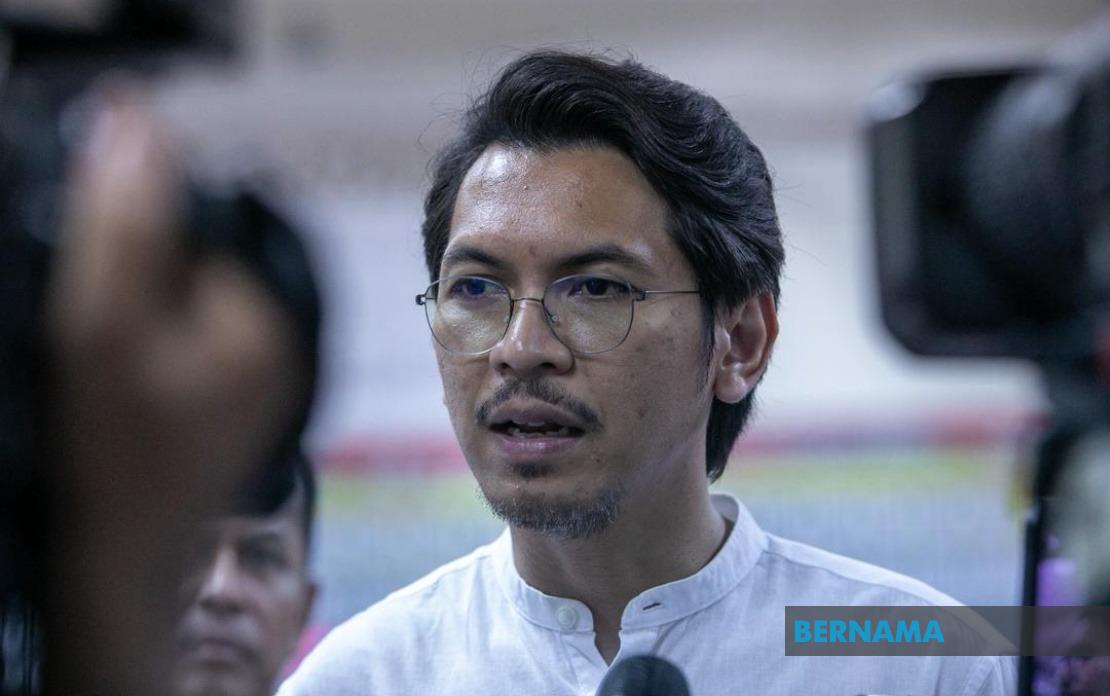
Stability in global crude oil markets may improve following the memorandum of understanding between the United States and Iran, though the path to price recovery will be neither swift nor straightforward, Malaysia's Political Secretary to the Minister of Finance Muhammad Kamil Abdul Munim said on Wednesday. Speaking at a government event in Kuala Kangsar, he cautioned that while the geopolitical agreement holds promise for reopening critical shipping lanes and reducing Middle East tensions, the broader economic effects will unfold gradually as logistics costs, insurance premiums, and transport expenses accumulated during the crisis phase remain elevated.
The cautious optimism reflects Malaysia's particular vulnerability to Middle Eastern instability. The Strait of Hormuz, one of the world's most critical petroleum passages through which a significant portion of global oil shipments transit, has been a flashpoint for regional tensions. Reopening secure passage for oil tankers and merchant vessels would release supply bottlenecks that have artificially inflated prices across Asia-Pacific markets, benefiting fuel-dependent economies like Malaysia. However, the Political Secretary acknowledged that immediate price relief should not be expected, as the recovery mechanism involves unwinding complex supply chain disruptions accumulated over months of heightened risk premiums.
Prime Minister Datuk Seri Anwar Ibrahim had expressed optimism the previous day about the prospective accord, indicating confidence that negotiations could culminate in a final agreement within a mandated 60-day window. His administration views the diplomatic initiative as potentially transformative for regional security and economic recovery. The government's cautious framing, however, suggests Malaysia is preparing its own economy for a phased transition rather than anticipating sudden commodity price drops that might create their own adjustment challenges.
Malaysia's domestic fuel strategy already reflects this measured approach. The government has maintained RON95 petrol prices at RM1.99 per litre through continued subsidisation, shielding consumers from full exposure to international price volatility while other nations absorb sharper increases. This policy represents a significant fiscal commitment aimed at managing inflationary pressures during an extended period of global uncertainty. Muhammad Kamil indicated the government remains committed to insulating ordinary Malaysians from cost-of-living shocks, particularly during what he characterised as a critical four-to-six-month stabilisation window.
The BUDI MADANI initiative, Malaysia's targeted petrol subsidy programme, operates on a temporary quota system currently capped at 200 litres monthly per eligible household. The government plans to re-evaluate this arrangement as international oil markets stabilise, determining whether to expand allocations or maintain existing levels based on evolving global commodity dynamics. This flexible approach suggests policymakers recognise that extended subsidy regimes carry fiscal risks while acknowledging that precipitous reductions could burden middle and lower-income households at a sensitive economic juncture.
The broader context involves Malaysia's strategic positioning within global energy markets. As a nation dependent on imported energy and with significant petrochemical and manufacturing sectors vulnerable to fuel price shocks, the country has genuine interests in both price stability and uninterrupted supply. The Strait of Hormuz disruption created artificial scarcity premiums that rippled through regional economies, affecting shipping costs, industrial input prices, and ultimately consumer prices for diverse goods far removed from energy itself. Restoring normal flows promises relief not only at the petrol pump but throughout supply chains serving Malaysian industries.
The diplomatic dimension carries particular significance for Malaysia's foreign policy calculus. Prime Minister Anwar's planned official visit to Russia underscores the government's determination to diversify energy partnerships and reduce dependency on any single supplier or geopolitical sphere. By cultivating stronger bilateral relations with Moscow across trade, diplomatic, and energy sectors, Malaysia seeks to enhance its negotiating position within global energy markets and secure alternative sourcing arrangements. This diversification strategy reflects recognition that concentration of energy relationships exposes smaller trading nations to vulnerability when tensions between major powers escalate.
Russia's significant oil and energy export capacity makes it a logical partner for Malaysia's resource diversification objectives. As a small trading nation operating within a multipolar geopolitical environment, Malaysia must cultivate relationships across multiple centres of economic power to maintain energy security and supply reliability. The timing of enhanced Russia engagement appears calculated to complement the anticipated benefits of Middle East stabilisation, ensuring Malaysia benefits from multiple stable energy relationships rather than relying on progress in any single regional conflict.
The government's emphasis on consultation through the Economic Action Council suggests policymakers are monitoring commodity markets closely and preparing contingency responses should stabilisation proceed more rapidly or slowly than anticipated. This institutional machinery allows the government to adjust subsidy mechanisms, targeted assistance programmes, and other economic levers relatively quickly should circumstances warrant. The Political Secretary's comments indicate the administration is neither assuming immediate price collapse nor preparing for prolonged crisis conditions, but rather positioned for adaptive management of a transitional period.
For Malaysian consumers and businesses, the implications centre on patience and prudent financial management during an extended recovery phase. The government's stated commitment to limiting inflation impacts through the coming months suggests continued policy support, though the political economy constraints of persistent subsidies eventually favour market-based adjustments. Industry stakeholders dependent on stable energy costs would be wise to plan for gradual rather than dramatic price changes, potentially locking in supply contracts or hedging arrangements that account for a multi-month normalisation trajectory rather than assuming immediate commodity price relief.
The peace agreement framework, if successfully concluded within the 60-day window, would represent a genuine shift in Middle East geopolitics with consequences extending far beyond oil prices alone. Supply chain normalisation, reduced insurance costs for shipping, and restored commercial confidence in regional trade would generate spillover benefits throughout Asian economies. Malaysia, positioned at the crossroads of major Asian sea lanes and dependent on stable regional conditions for its own maritime commerce, stands to gain considerably from sustained diplomatic progress in the Middle East.
%22%2F%3E%3C%2Fpattern%3E%3C%2Fdefs%3E%3Crect%20width%3D%22100%25%22%20height%3D%22100%25%22%20fill%3D%22url(%23ph22sd5g)%22%2F%3E%3Crect%20width%3D%22100%25%22%20height%3D%22100%25%22%20fill%3D%22url(%23ph22sd5p)%22%2F%3E%3Ctext%20x%3D%2250%25%22%20y%3D%2250%25%22%20text-anchor%3D%22middle%22%20dominant-baseline%3D%22central%22%20fill%3D%22rgba(255%2C255%2C255%2C0.95)%22%20font-family%3D%22Georgia%2C%20'Times%20New%20Roman'%2C%20serif%22%20font-weight%3D%22700%22%20font-size%3D%22151%22%20letter-spacing%3D%22-0.02em%22%3EPerikatan%3C%2Ftext%3E%3C%2Fsvg%3E)