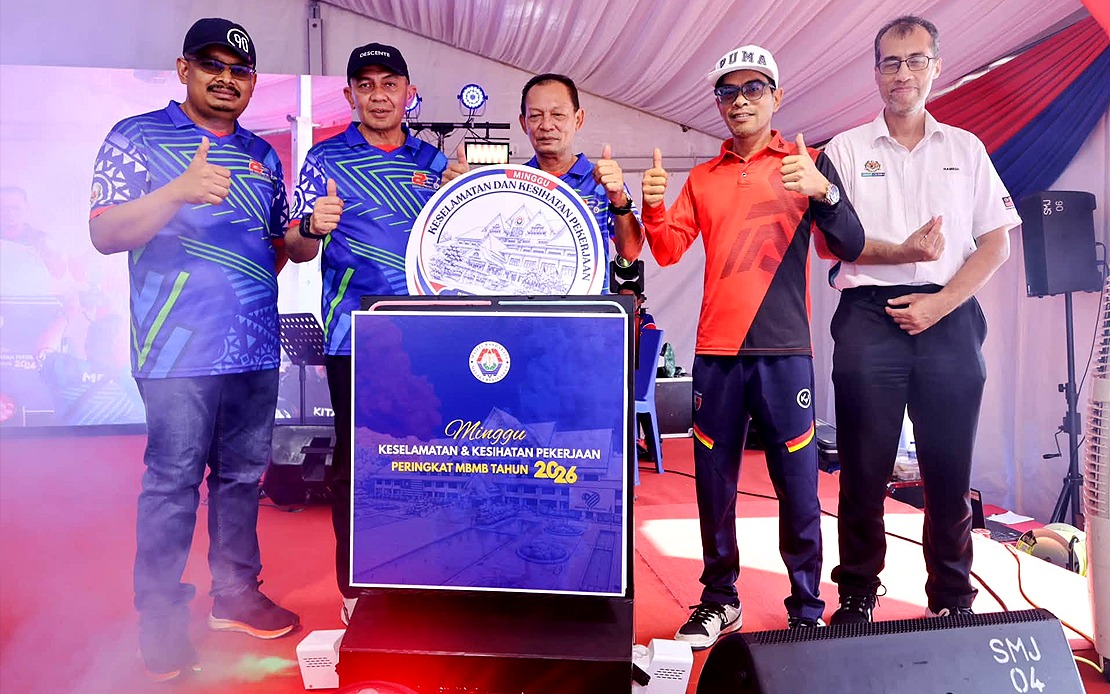
The state of Melaka has recorded 277 workplace accidents involving injuries ranging from temporary to permanent disability across multiple industries during the opening six months of 2026, according to figures released by the state's occupational safety authority. Among these incidents, three workers lost their lives—two in construction projects and one in manufacturing operations—highlighting the persistent risks faced by Melaka's industrial workforce despite regulatory oversight.
Ramesh Zakir Shamsul, director of the Melaka Department of Occupational Safety and Health (DOSH), presented these findings during the launch of the Melaka Historic City Council's 2026 Occupational Safety and Health Week celebration. While acknowledging that accident rates remain relatively controlled compared to previous periods, Shamsul stressed that ongoing surveillance of workplace operations remains essential to ensure both employers and workers adhere to mandated safety standards and protocols.
The three fatal incidents underscore the gravity of safety lapses in sectors where workers face elevated exposure to hazardous conditions. Construction, in particular, continues to contribute significantly to workplace mortality statistics nationwide, reflecting challenges in implementing and maintaining stringent safety measures on active job sites. The manufacturing fatality adds another dimension to concerns about workplace hazards beyond the construction industry, suggesting that risks permeate multiple economic sectors across the state.
Under the Occupational Safety and Health Act 1994, all workplace accidents must be formally reported by employers, triggering detailed investigations by DOSH to determine causation and preventative measures. This legal framework establishes clear accountability, placing responsibility squarely on business operators to maintain safe working environments and disclose incidents transparently. However, the continued frequency of accidents suggests that compliance gaps persist despite regulatory requirements, pointing to potential weaknesses in enforcement or workplace implementation of safety protocols.
Ramesh Zakir emphasised that workplace safety cannot be viewed solely as DOSH's responsibility, but rather requires a collaborative approach involving multiple stakeholders. Employers bear the primary obligation to invest in safety infrastructure, training, and monitoring systems. Local authorities such as the Melaka Historic City Council (MBMB) play a supportive role by promoting awareness through workshops and educational campaigns. This distributed responsibility model seeks to create a culture where safety consciousness permeates all levels of industrial operations.
The Melaka Historic City Council has emerged as a willing partner in advancing occupational safety initiatives, reflecting a broader recognition among municipal governments that workplace health extends beyond individual enterprise concerns and affects community wellbeing. Through coordinated programming and public engagement, MBMB contributes to raising awareness among both employers and workers about their respective rights and obligations under occupational safety legislation. Such partnerships prove especially valuable in reaching small and medium enterprises that may lack dedicated safety departments.
For Malaysian readers and policymakers, Melaka's figures warrant attention as a case study in occupational risk management across Southeast Asia's broader industrial landscape. The state's construction and manufacturing sectors mirror national economic patterns, making local trends potentially indicative of wider workplace safety challenges. The concentration of fatalities in construction aligns with international data showing this industry as consistently high-risk, suggesting that targeted interventions addressing construction-specific hazards could yield measurable improvements in mortality rates.
The role of awareness campaigns and educational initiatives remains underexplored in accident prevention strategies. While DOSH organises workshops and talks, evaluating the effectiveness of such programmes in translating knowledge into behavioural change among workers and supervisors would strengthen future intervention design. Similarly, understanding barriers to compliance among employers—whether cost, complexity, or cultural factors—could inform more nuanced policy adjustments that encourage voluntary adoption of safety practices.
Moving forward, Melaka's experience suggests that sustained momentum in occupational safety requires not only regulatory vigilance but also proactive engagement with industry stakeholders to identify emerging risks and adapt protective measures accordingly. The state's commitment to monitoring operations and conducting thorough investigations of incidents provides a foundation upon which additional preventative strategies can be layered. Enhancing training accessibility, particularly for workers in high-risk sectors, and exploring innovative ways to embed safety consciousness into organisational culture represent complementary approaches to reducing the human and economic costs of workplace accidents.

