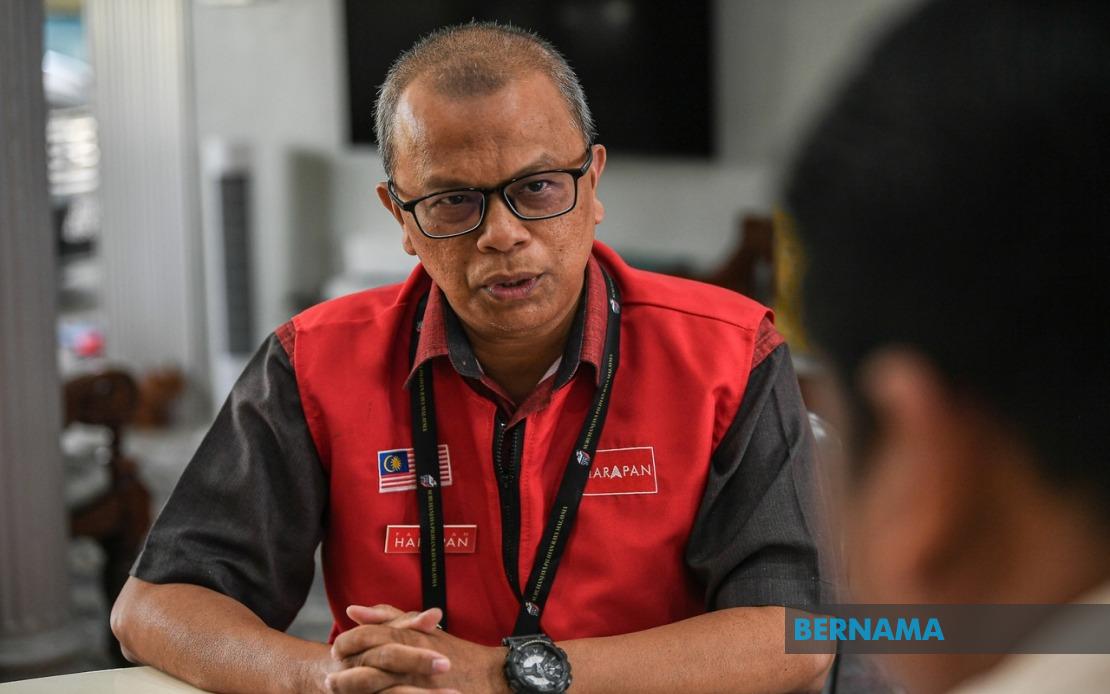
The Panti state seat holds untapped natural potential that could become a major economic driver for Kota Tinggi district, according to Pakatan Harapan candidate Ahmad Daniel Sharudin, who is positioning eco-tourism development as central to his campaign for the Johor state election. The 54-year-old civil engineer believes that showcasing attractions such as the rapids at Kampung Temenin could establish Panti as a destination to rival the waterfalls that have put other parts of Kota Tinggi on the map, drawing both domestic and international visitors while honouring the area's ecological integrity.
Ahmad Daniel's platform rests on the idea that developing the tourism sector responsibly could address multiple constituencies' challenges simultaneously. Infrastructure improvements around natural attractions would preserve the local ecosystem while creating recreational spaces for residents and tourists alike. This approach reflects a growing recognition across Southeast Asia that small constituencies with distinctive geographical features can build sustainable economies around nature-based tourism, particularly when communities are positioned as custodians rather than passive recipients of development.
Beyond mere site upgrades, Ahmad Daniel argues that tourism expansion would catalyse broader economic activity in surrounding industries. The emergence of homestays, restaurants, and tour guide services would create employment pathways for young people who currently face limited opportunities within Panti itself. This multiplier effect—where a single sector's growth generates jobs across multiple related businesses—has proven effective in rural tourism hubs elsewhere in Malaysia and the region, though success depends heavily on training, marketing, and sustained investment.
The candidate acknowledges a pressing demographic challenge: young people leaving Panti and the wider Kota Tinggi district to find work, with some crossing into Singapore in search of better remuneration. This outmigration reflects a broader Malaysian concern about youth retention in less industrialised areas. By creating employment within the constituency itself, Ahmad Daniel contends that tourism development could reverse this trend and retain human capital that would otherwise benefit neighbouring economies.
Beyond his tourism agenda, Ahmad Daniel has outlined three additional policy pillars: delivering affordable housing, generating industrial sector employment, and rehabilitating aging public infrastructure. These priorities address conventional concerns in rural and semi-rural Malaysian constituencies where housing costs often consume disproportionate household incomes and where essential services infrastructure has deteriorated from lack of maintenance funding. His positioning of these goals as realistic and achievable reflects confidence that alignment with the current federal government administration would facilitate resource allocation and implementation.
Ahmad Daniel's background as a former Kota Tinggi District Council member provides institutional knowledge of local governance structures and existing development challenges. His role as Tenggara Amanah division chief and director of the state party's Syariah and Dakwah Bureau signals both political seniority within his party structure and potential influence over cultural and religious aspects of constituency development. In Malaysian electoral contests, such positions often matter as much as campaign promises, as voters assess candidates' capacity to deliver through existing government relationships.
The campaign phase itself reveals the operational constraints of rural electoral politics in Malaysia. With only four days remaining before polling and the Panti constituency's vast geographical expanse, Ahmad Daniel's team acknowledges difficulty in achieving comprehensive face-to-face coverage despite completing outreach in nearly 80 per cent of the seat. This limitation has prompted a pivot toward social media campaigning, reflecting how digital platforms have become essential tools for reaching dispersed populations and younger voters, though effectiveness varies across age groups and internet penetration rates.
The three-way contest between Ahmad Daniel, Barisan Nasional's Dr Muhammad Naqib Md Ghazali, and Perikatan Nasional's Alias Rasman typifies the fractured opposition dynamics affecting recent Malaysian elections. The split among non-government candidates could create opportunities for the strongest-organised campaign to prevail, though local factors—incumbent performance, grievances, and community networks—often trump national political dynamics in state-level contests.
The broader Johor election context shapes Panti's contest considerably. With 172 candidates contesting across 56 state seats and 2.7 million eligible voters participating, the election represents a significant test of voter sentiment in a state crucial to both Pakatan Harapan's federal ambitions and Perikatan Nasional's growing presence in peninsular politics. Results in constituency-level races like Panti will reveal whether specific local development visions resonate with voters or whether state and national political considerations override local candidate platforms.
Ahmad Daniel's emphasis on environmental stewardship within development frameworks aligns with growing voter expectations, particularly among younger Malaysians conscious of climate and biodiversity concerns. Positioning eco-tourism as compatible with conservation rather than contradictory reflects a maturation of development discourse in Malaysia, though implementation often falls short of campaign rhetoric. The degree to which Ahmad Daniel's vision translates into actual policy should he win will depend on funding availability, technical capacity within local government, and sustained political will beyond the election cycle.
The Panti race ultimately encapsulates broader questions facing Malaysian constituency politics: how effectively can local candidates articulate specific development visions, whether voters prioritise local issues over national political affiliation, and whether rural constituencies can attract investment toward sustainable development rather than remaining peripheral to economic activity concentrated in urban centres. Ahmad Daniel's campaign suggests at least one candidate believes that authentic local economic development grounded in natural assets offers a compelling narrative for rural voters seeking genuine improvement in living standards and employment prospects.

