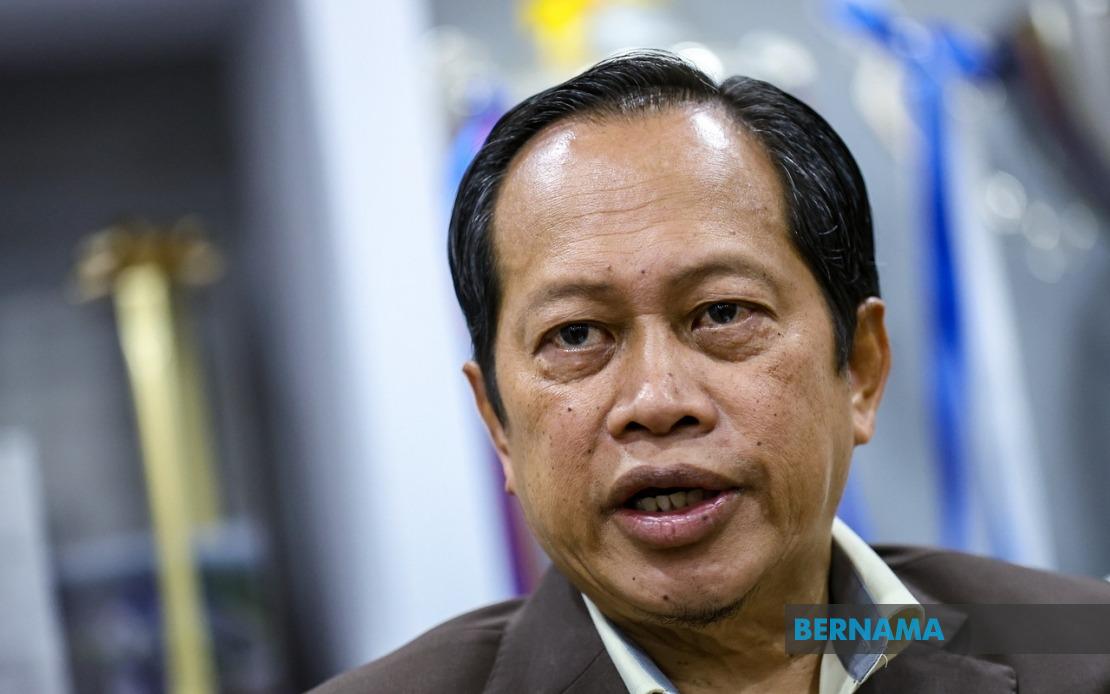
Datuk Seri Dr Ahmad Maslan has definitively put to rest months of speculation about his electoral intentions by confirming he will not stand in the Johor state election scheduled for July 11. The Johor Barisan Nasional deputy chairman made the announcement during a working visit to the Johor Public Works Department in Iskandar Puteri on June 15, effectively closing the door on what had been growing rumours linking him to multiple state constituencies.
The decision clears the field for two state seats that had been subject to considerable political chatter. Neither Benut nor Pulai Sebatang, both located within the Pontian parliamentary division, will see Ahmad's candidacy, he confirmed to reporters. His choice to withdraw from the electoral fray represents a significant moment in Johor's political realignment ahead of what promises to be a keenly contested state assembly poll.
Ahmad's reasoning reveals a calculated perspective on party dynamics and generational succession. He articulated his belief that creating space for fresh candidates serves the broader interests of both Barisan Nasional and UMNO in Johor. This framing suggests a deliberate strategy to balance retaining senior leadership figures in key roles while simultaneously nurturing newer voices within the coalition's ranks—a delicate equilibrium that state and national party structures continually navigate.
The Pontian MP's decision to step back from the contest carries particular weight given his senior ministerial position as Deputy Works Minister. Such high-ranking federal figures often face competing pressures regarding state-level involvement, and Ahmad's determination to focus on his national portfolio rather than pursuing additional state representation underscores evolving patterns in how Malaysian politicians manage their multiple roles across governance tiers.
Party leadership had already been informed of this decision, Ahmad stated, suggesting the announcement was coordinated rather than spontaneous. This formal notification through proper channels indicates that Barisan Nasional's hierarchy in Johor has already begun reshaping its candidate slate around Ahmad's withdrawal. The transparency of his confirmation likely forestalls any lingering uncertainty that might otherwise persist in the political marketplace.
That said, Ahmad's exit from electoral competition does not signal a complete retreat from the state campaign machinery. He explicitly committed to maintaining an active and supportive role throughout the election period, channelling his political capital and organisational influence toward securing Barisan Nasional and UMNO victories across the state. This distinction—between not contesting oneself and remaining actively engaged in campaign efforts—reflects how senior figures often contribute to electoral success beyond their own candidacy.
The timing of this announcement arrives amid the Election Commission's formal schedule for the 16th Johor state election. With nomination day set for June 27 and polling day scheduled for July 11, Ahmad's early clarification allows parties to complete their final candidate selections without his participation clouding deliberations. Early voting, meanwhile, is set for July 7, compressing the campaign window into a relatively brief period.
The Johor state election assumes considerable symbolic importance within Malaysia's broader political narrative. As a state historically dominated by Barisan Nasional, it remains a crucial testing ground for the coalition's electoral resilience following the 2022 general election shifts. Ahmad's decision to prioritise other candidates reflects perhaps deeper calculations about party strength, demographic change in specific constituencies, and the strategic deployment of senior politicians across Johor's geographic and political landscape.
For Malaysian political observers, Ahmad's confirmation exemplifies how senior politicians increasingly balance national responsibilities with state-level involvement. The Deputy Works Minister's choice highlights the practical reality that holding significant federal posts can create scheduling and resource constraints that make state assembly campaigns logistically challenging. His preference for behind-the-scenes campaign support likely maximises his overall utility to Barisan Nasional during the election period.
The Pontian constituency itself, represented by Ahmad at the federal level, remains an important touchstone for tracking regional political trends. His continued focus on this parliamentary seat while abstaining from state contests suggests a calculated prioritisation of his existing power base. This approach allows him to monitor developments across multiple levels without overextending his personal campaign efforts.
Going forward, attention will shift to which candidates ultimately emerge to contest Benut and Pulai Sebatang seats. These constituencies may attract figures seeking to establish themselves within state politics or experienced assemblymen looking to consolidate their positions. Ahmad's withdrawal effectively opens a window for such succession planning, allowing party machinery to identify and groom candidates aligned with contemporary electoral dynamics and community expectations in those areas.
The broader implication for Southeast Asian politics involves observing how coalition parties manage generational transitions and candidate selection during critical electoral cycles. Ahmad's decision demonstrates sophisticated political calculation—recognising when to step back, maintain influence through alternative channels, and create institutional space for emerging leadership. Such dynamics, played out across Malaysia's federal system, ultimately shape the region's political trajectory and coalition durability.