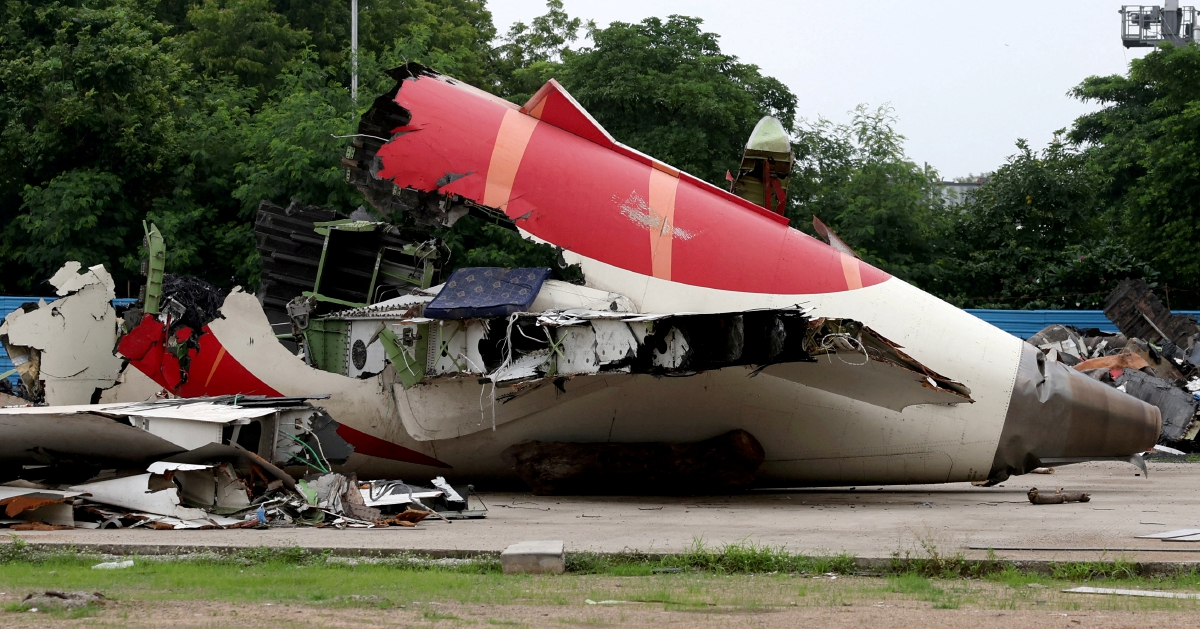
India's principal aircraft accident investigation authority has substantially advanced its examination into the catastrophic Air India crash that claimed lives last year, according to documentation filed before a court. The bureau has now completed critical analytical work including a full transcription of the cockpit voice recorder and a comprehensive psychological autopsy, positioning the prolonged inquiry for its concluding phase.
The progression of the investigation represents a significant milestone in what has been an exhaustive and methodical examination of the circumstances surrounding the disaster. The completion of these foundational investigative elements typically indicates that authorities have secured the core technical and human-factor data necessary to formulate preliminary conclusions about causation and contributing factors.
Cockpit voice recorder transcripts provide investigators with the final moments of crew communications, including crew resource management practices, decision-making sequences, verbal commands, and any procedural lapses or anomalies that occurred during the flight's deterioration. This audio evidence proves invaluable in reconstructing the operational and interpersonal dynamics in the cockpit during the accident sequence. For Malaysian observers, such methodical examination mirrors protocols that would apply to any aviation incident in our region, whether involving regional carriers or international operators.
The psychological autopsy component of the investigation has become increasingly standard in modern accident inquiries, particularly when human performance factors may have influenced outcomes. This assessment examines the mental state, decision-making capacity, physical condition, and psychological profiles of flight crew members involved in the incident. Such analysis can illuminate whether fatigue, stress, medical conditions, or other psychological factors may have compromised crew performance or judgment during critical phases of flight.
The transition into final investigative stages suggests that the bureau has completed most field investigations, interviews, and technical examinations at crash sites. Authorities have likely gathered sufficient testimony from witnesses, air traffic control personnel, aircraft maintenance records, and other contextual evidence necessary to construct a comprehensive narrative of the event sequence.
Southeast Asian aviation observers note that such investigations serve the broader regional interest in understanding accident causation patterns and systemic vulnerabilities. Each major incident investigation contributes to the collective aviation safety knowledge that protects passengers across the region. The findings from this Air India inquiry will inform international safety recommendations and may influence operational procedures at carriers throughout Asia and beyond.
The journey from initial investigation to final report typically spans months or years, requiring painstaking documentation, expert analysis, and careful calibration of findings. The filing in court indicates that investigative authorities have now reached the stage where they can begin synthesizing their accumulated data into coherent conclusions and recommendations for the aviation industry.
For Malaysian passengers and industry stakeholders, the progression of this high-profile Indian aviation inquiry underscores the rigorous international standards applied to accident investigation across South Asia. These investigative processes ultimately serve passenger safety by identifying systemic weaknesses, training gaps, maintenance deficiencies, or human factors vulnerabilities that might otherwise remain unaddressed.
The completion of cockpit voice recorder transcription and psychological assessment typically enables investigators to move toward drafting formal findings and safety recommendations. These recommendations may address aircraft design modifications, crew training enhancement, maintenance procedure revisions, or regulatory framework adjustments intended to prevent recurrence of similar incidents.
The investigation's advancement also reflects the increasing sophistication of air accident inquiry methodology. Modern investigations integrate technical forensics, human factors analysis, organizational culture assessment, and systemic review to generate comprehensive understanding rather than identifying sole causation. This multifaceted approach recognises that aviation accidents typically result from complex chains of events involving technical, procedural, environmental, and human performance elements.
As the inquiry enters its concluding phases, the aviation community across South Asia and globally awaits the final report, which will likely contain detailed technical findings and safety recommendations. These recommendations typically flow to regulatory authorities, aircraft manufacturers, airline operators, and training organisations for implementation within prescribed timeframes.
For regional carriers including Malaysian operators, such major accident investigations provide valuable cautionary examples and learning opportunities. The findings may prompt operational reviews, training programme updates, or procedural refinements designed to apply investigative lessons across the broader aviation sector.

