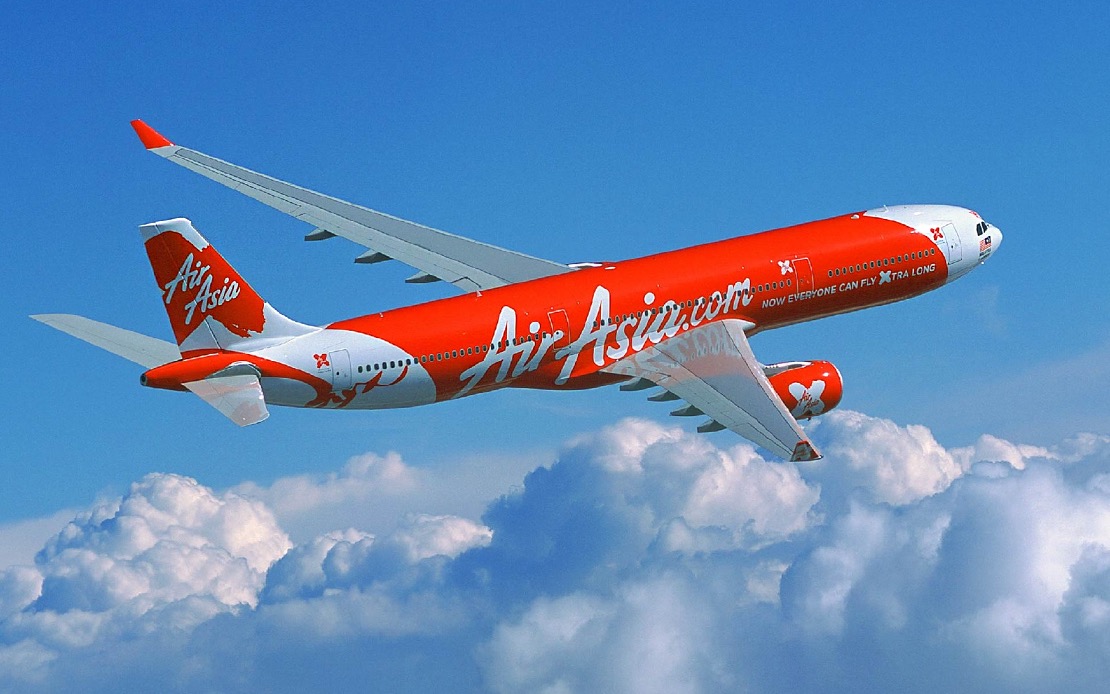
AirAsia has commenced direct flights between Jakarta and Kota Bharu, marking a strategic expansion designed to accelerate tourism development in Kelantan and reinforce Malaysia's position as a regional travel destination. The inaugural flight AK2354, touching down at Sultan Ismail Petra Airport on Tuesday afternoon, represents a crucial step in broadening the country's aviation network ahead of the Visit Malaysia 2026 campaign, which aims to position Malaysia as a premier destination across Southeast Asia.
The service, operated by a 180-seat Airbus A320 aircraft, landed at 3.50 pm carrying 117 passengers on its debut journey. The flight achieved a respectable 63 per cent load factor despite being inaugural, with travellers hailing from Indonesia, Thailand, the Philippines and elsewhere alongside returning Malaysian citizens. This mix of passenger origins reflects the route's potential to serve multiple travel purposes, from leisure tourism to business connections and cultural exchange.
Tourism Malaysia's leadership has framed the new connection as a transformative development for Kelantan's economic prospects. According to Mohd Amirul Rizal Abdul Rahim, the tourism authority's director-general, this route strengthens Malaysia's commitment to improving regional air connectivity under the VM2026 framework. He emphasised that Indonesia stands as one of Malaysia's most significant tourism source markets, and the direct service eliminates friction points that previously made reaching Kelantan less convenient for Indonesian travellers. By removing the need for connections through Kuala Lumpur or other hubs, the route creates a straightforward journey that opens Kelantan's attractions to previously untapped visitor segments.
Beyond leisure tourism, officials highlighted the route's capacity to stimulate growth in medical tourism, a rapidly expanding sector across Southeast Asia. Patients from Indonesia seeking specialised treatments in Malaysia can now access Kelantan's healthcare facilities more efficiently, supporting hospitals and clinics in the state while generating ancillary benefits for accommodation and hospitality services. The direct link also strengthens interpersonal connections between Malaysian and Indonesian communities, fostering deeper cultural understanding and commercial partnerships at the grassroots level.
Kelantan's tourism director, Azwan Ab Rahman, outlined the specific attractions positioned to benefit from increased Indonesian visitor arrivals. Iconic heritage sites such as Pasar Siti Khadijah, the historic Kampung Laut Mosque, the artisan village of Kampung Kraftangan and the geological marvel of Stong Geopark represent compelling reasons for regional travellers to choose Kelantan. The state's positioning as Malaysia's cultural heartland—renowned for traditional crafts, batik production and Islamic heritage—resonates particularly strongly with Indonesian visitors sharing similar cultural affinities and religious backgrounds.
Crucially, the Jakarta-Kota Bharu route transforms Kota Bharu into a gateway for wider East Coast exploration. Travellers can now use the city as a launching point for journeys to southern Thailand or the resort islands dotting Kelantan's coastline and neighbouring states. This hub function multiplies the route's economic value, as visitors often extend stays and explore multiple destinations, distributing tourism spending across a broader geographic region. The ripple effects benefit transport operators, tour companies, restaurants and retailers throughout the corridor.
AirAsia's commitment to developing underserved routes demonstrates the airline's business philosophy of connecting secondary cities with major regional markets. Captain Fareh Mazputra, the carrier's Malaysian general manager, positioned the Jakarta service within a broader strategy to unlock tourism and trade opportunities that remain dormant without adequate air connectivity. For a state like Kelantan, which possesses significant cultural assets but historically received fewer international visitors than Kuala Lumpur or Penang, this strategic routing decision carries outsized significance.
The bilateral air capacity between Malaysia and Indonesia has grown substantially, with Tourism Malaysia reporting 634 weekly flights operating between the two nations as of April 2026, offering more than 114,806 seats weekly. Within this expansive network, the Jakarta-Kota Bharu route fills a specific gap, providing direct access to an underrepresented destination. The route adds incremental capacity while serving a distinct function that connecting through Kuala Lumpur cannot replicate—immediate immersion in Kelantan's cultural environment without the delays and complications of multi-leg journeys.
The timing aligns strategically with Visit Malaysia 2026's peak campaign period, when promotional efforts intensify across Southeast Asia and beyond. Indonesia's massive population of over 270 million represents an enormous potential visitor source, with rising middle-class demographics increasingly capable of regional leisure travel. Targeted marketing in Indonesian media can now reference direct flight availability, removing a previous objection that potential travellers might have raised regarding logistical complexity.
For Kelantan specifically, the route addresses a long-standing challenge in competing for international visitor share. While the state possesses rich cultural heritage rivalling more famous destinations, geographic isolation and limited air connectivity historically constrained visitor numbers. The Jakarta service represents tangible infrastructure backing the state's tourism ambitions, signalling confidence in Kelantan's development prospects and providing the air capacity necessary to accommodate growth in visitor arrivals. Airlines typically add routes based on market analysis indicating sufficient demand potential, so the route's initiation reflects optimistic forecasting about tourism growth trajectories.
The economic implications extend throughout Kelantan's tourism ecosystem. Hotels require additional capacity and staffing; restaurants prepare for increased patronage; tour operators develop specialised packages for Indonesian visitors; and artisan communities gear production to meet souvenir demand. Informal sector workers—guides, drivers, street vendors and performers—gain employment opportunities from expanded tourist flows. Educational institutions may develop hospitality and tourism training programs to build workforce capabilities supporting the expanded service.
Regional connectivity improvements like this Jakarta-Kota Bharu route exemplify how strategic aviation infrastructure investment can catalyse economic transformation in secondary cities. The broader Southeast Asian context matters too—as the Association of Southeast Asian Nations integrates economically and socially, removing logistical barriers between member states facilitates trade, tourism and human exchange. Malaysia's Visit Malaysia 2026 campaign sits within this regional trajectory, positioning the country as a convenient, accessible destination for the region's increasingly mobile populations.
Looking forward, the route's success metrics will determine whether additional frequency increases or competitive services emerge. Strong passenger loads and positive visitor feedback would justify expansion, potentially attracting other carriers to the Jakarta-Kota Bharu market. Conversely, underperformance might reflect oversized expectations about Kelantan's tourism appeal to Indonesian markets. Stakeholders will monitor load factors, return visitation rates and economic impact measurements to assess whether the route fulfils its transformative promise for Kelantan's tourism and broader economic development.